

Dry Needling vs Acupuncture: Doctor's Guide to Pain Relief
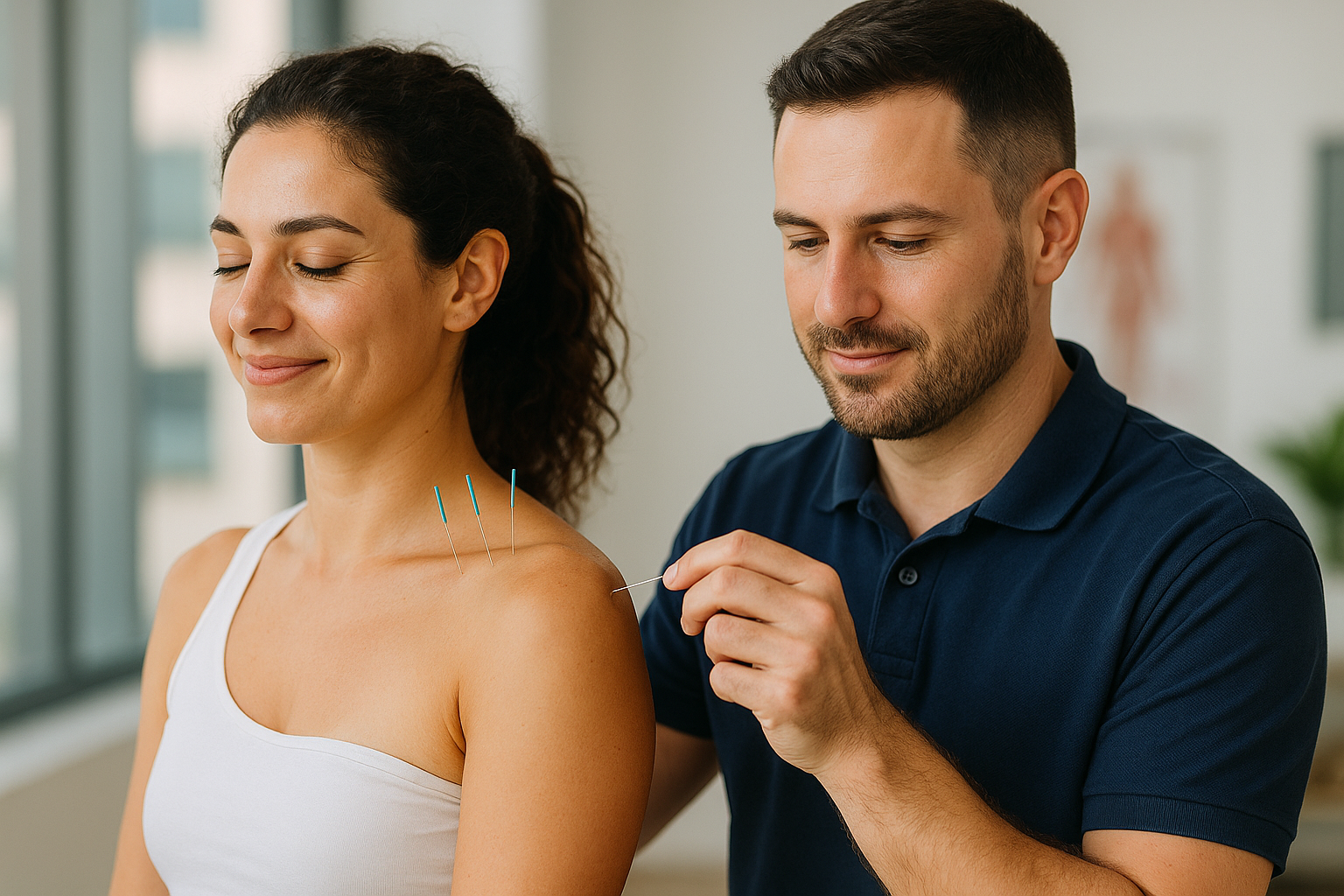
On the surface, they appear almost identical: the use of fine, sterile needles to alleviate pain and restore function. However, the world of therapeutic needling is defined by two fundamentally different philosophies. Understanding the core principles of dry needling vs. acupuncture: key differences is crucial for anyone seeking effective relief from musculoskeletal pain or chronic tightness. While both practices can be powerful tools for healing, they originate from distinct medical paradigms and target different systems within the body. At Physio Cure Dubai, our doctor-led approach emphasizes evidence-based modalities, and we believe in empowering our patients with clear knowledge. This guide will dissect these two treatments, helping you understand which path is right for your unique recovery journey as part of a comprehensive manual therapy plan.
Foundational Differences: Western Anatomy vs. Traditional Chinese Medicine
The most profound distinction between dry needling and acupuncture lies in their origins and guiding philosophies. Dry needling is a modern, Western medical technique grounded firmly in anatomy, neurophysiology, and the scientific understanding of the neuromuscular system. It was developed in the 1980s by physicians who discovered that the simple insertion of a needle into a tight muscle band, without injecting any substance (hence "dry"), could provide significant and lasting pain relief. The primary focus is on identifying and deactivating myofascial trigger points—hyperirritable knots in the muscle tissue that cause localized pain and can also refer pain to other areas of the body. It is a direct and targeted intervention based on palpable physical findings.
In stark contrast, acupuncture is an ancient practice and a cornerstone of Traditional Chinese Medicine (TCM), with a rich history spanning thousands of years. Its philosophy is based on the concept of *Qi* (pronounced "chee"), a vital life force or energy that flows through specific pathways in the body called meridians. According to TCM, illness, pain, and dysfunction arise when this energy flow is blocked, stagnant, or imbalanced. Acupuncture aims to restore this delicate balance by inserting needles at specific points along these meridians, thereby encouraging the body's natural healing processes and promoting overall well-being.
Precision in Practice: Trigger Points vs. Meridian Lines
This philosophical divergence directly translates into where the needles are placed on the body. A physiotherapist performing dry needling, such as the doctors at Physio Cure, uses their deep anatomical knowledge to physically palpate muscles and locate specific trigger points. These are the tender "knots" you can often feel in a tight muscle that cause pain and restrict movement. The needle is inserted directly into this taut band of muscle to elicit a "local twitch response," an involuntary spinal cord reflex that is crucial for therapeutic effect. This twitch response helps the muscle release, reduces inflammation, and restores normal function. This is a highly targeted form of trigger point therapy aimed at a precise anatomical structure causing the problem.
Acupuncture, however, follows a completely different and more intricate map of the body. An acupuncturist selects points along the body’s 14 major meridians, which are believed to correspond to specific organs and bodily functions. These points are not necessarily located in the area where you feel pain. For example, a point on your hand or foot might be used to treat a headache or back pain, as it is believed to influence the flow of Qi to the affected area. The goal is systemic balance and a holistic approach to healing, rather than just localized muscle release.
At Physio Cure Dubai, our doctor-led dry needling is a precision tool for myofascial pain treatment. We target the direct source of your musculoskeletal issue—the trigger point—to restore muscle function and provide lasting relief based on evidence-based practice.
Therapeutic Goals: Releasing Knots vs. Restoring Flow
The intended outcome of each treatment is also fundamentally different. The primary goals of dry needling are to reduce muscle pain, deactivate trigger points, improve range of motion, and stimulate a local healing response. It is a powerful modality for treating sports injuries, chronic neck and back pain, tension headaches, sciatica, and other musculoskeletal dysfunctions. It is rarely a standalone treatment; instead, it is integrated into a broader, evidence-based physiotherapy plan that includes hands-on manual therapy, patient education, and corrective exercise to prevent recurrence. The dry needling vs acupuncture debate often comes down to this core difference: one is a targeted intervention for a physical problem, while the other is a holistic system for overall well-being.
Acupuncture's purpose is far broader and more systemic. By restoring the flow of Qi, it aims to treat a vast array of conditions that extend well beyond muscle pain, including anxiety, digestive issues, insomnia, hormonal imbalances, and allergies. The treatment is holistic, designed to stimulate the body's innate self-healing capabilities and address the root energetic imbalance that may be causing various symptoms throughout the body.
Dry Needling vs. Acupuncture: Key Differences and Benefits Summarized
To make an informed decision, it's helpful to see a direct comparison. While both use similar-looking needles, their application, the practitioner's training, and the patient's experience differ significantly.
- Practitioner: Dry needling is performed by licensed healthcare professionals like Doctors of Physical Therapy (DPT) who have specialized postgraduate training in this specific modality, with an expert foundation in anatomy. Acupuncturists are licensed practitioners trained extensively for years in Traditional Chinese Medicine philosophy, meridian theory, and diagnosis.
- Technique & Sensation: During dry needling, you may feel a deep ache or a distinct muscle twitch, which is a positive sign of the trigger point releasing. Needles may be moved around (a technique called "pistoning") or left in for a short period. Acupuncture sessions are often described as more relaxing, with sensations of warmth, tingling, or a dull ache at the needle sites. Needles are typically left in place for 15-30 minutes or more to allow the body's energy to rebalance.
- Treatment Plan: Dry needling is almost always part of a comprehensive rehabilitation program. At Physio Cure, it complements our hands-on therapy and personalized exercise plans to achieve lasting results. Acupuncture is often a standalone course of treatment, though it can be used alongside conventional medicine.
- Conditions Treated: Dry needling is specifically for myofascial pain and dysfunction—think tight hamstrings in an athlete, "tech neck" from office work, or chronic gluteal pain. Acupuncture addresses a wide spectrum of systemic health issues, from chronic pain to fertility support and stress management.
"The choice isn't about which is 'better,' but which is more appropriate for your specific diagnosis. For a stubborn muscle knot causing shoulder pain, dry needling is a direct, evidence-based solution. For a more systemic issue like chronic fatigue, acupuncture's holistic approach may be more suitable." - Dr. Mina Gamil, Medical Director, Physio Cure Dubai
Which Therapy is Right for You?
If you are an athlete with persistent muscle tightness, an office worker suffering from tension headaches, or anyone experiencing chronic low back pain related to posture, dry needling is likely a highly effective option for you. Its targeted, anatomy-driven approach is designed to resolve these specific musculoskeletal complaints by addressing them at their source. It is a modern tool used by our expert physiotherapists to directly resolve the root cause of your physical pain. For further reading, many rehabilitation experts detail the difference between dry needling and acupuncture in a clinical context.
At Physio Cure Dubai, we are founded on the principle of root-cause diagnosis. Our Doctors of Physical Therapy, including Dr. Shaimaa Hamdalla and Dr. Talaat Abdelhakeem, perform a comprehensive assessment to determine if your condition stems from a myofascial trigger point. If so, dry needling can be a game-changing part of your personalized treatment plan, helping to unlock movement, reduce pain, and accelerate your return to an active, healthy life. We believe in an active approach to recovery, where modalities like dry needling are integrated with patient education and corrective exercises for sustainable, long-term results.
If you're struggling with persistent muscle pain and want to know if trigger point dry needling is the right solution, our expert team is here to help. At Physio Cure Dubai, we are committed to a doctor-led, evidence-based approach to your recovery. Contact us today to schedule your assessment and begin your journey back to a pain-free life with our advanced manual therapy and rehabilitation services.
Frequently Asked Questions
Need Help With Your Recovery?
Book a free consultation with our expert physiotherapists.
Related Articles

Essential Diet Tips for Fibromyalgia Pain Relief Guide
Discover anti-inflammatory foods, trigger pitfalls, and holistic strategies to ease fibromyalgia pain, fatigue, and brain fog. Start eating for relief today.
11 min read

Massage Therapy for Fibromyalgia: Relief & Calm Explained
Discover how specialized massage therapy interrupts pain signals, eases tension, and improves sleep for fibromyalgia relief within a doctor-led holistic plan.
13 min read

Low-Impact Exercises Guide for Fibromyalgia Relief
Discover gentle, doctor-led low-impact workouts that ease fibromyalgia pain, boost energy, and fight flare-ups. Learn guidelines, tips, and personalized care.
14 min read