

Exercises for Heart Failure Recovery: Regain Strength Safely
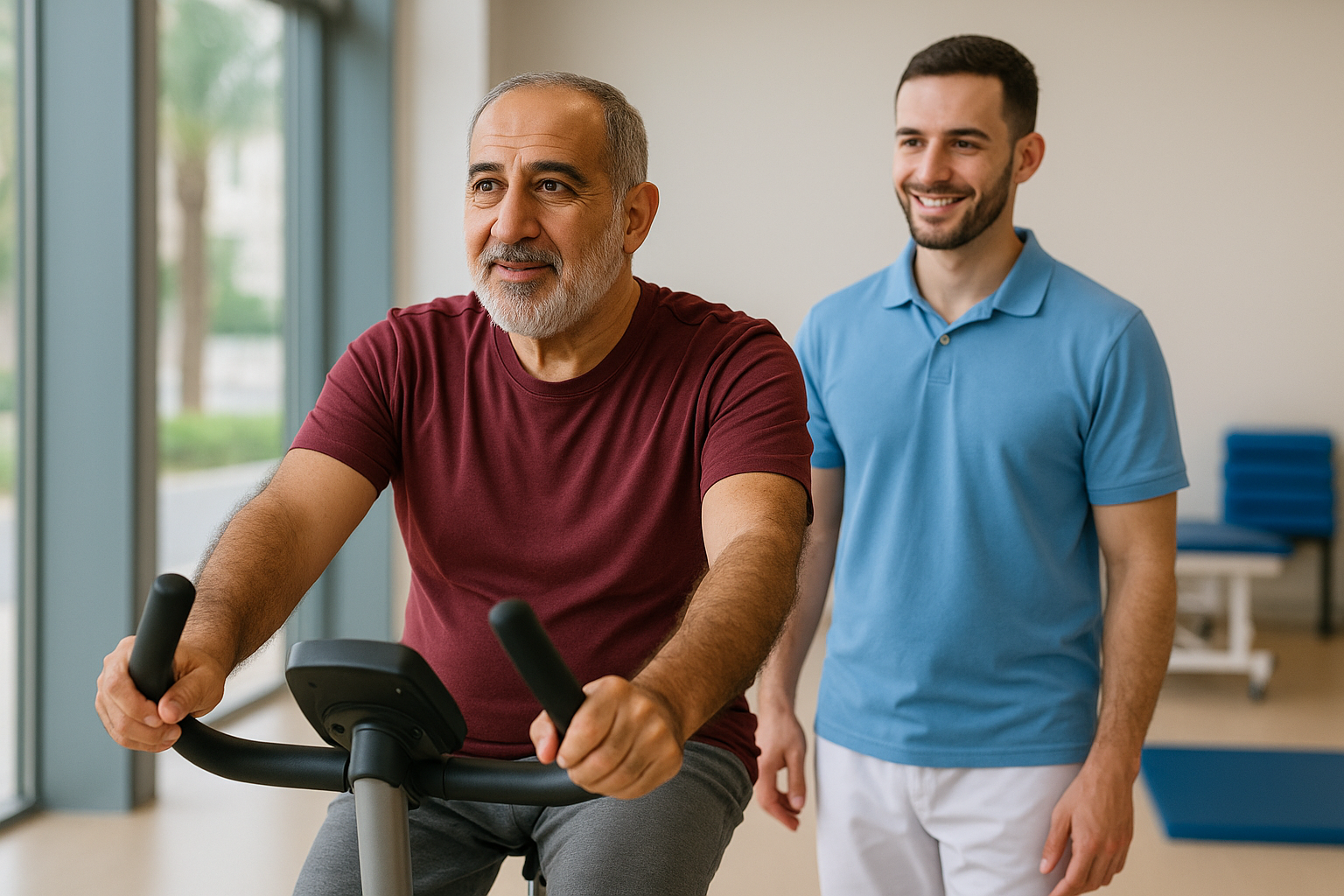
Living with heart failure presents unique challenges, but it doesn't mean an end to an active life. In fact, a carefully structured and supervised exercise program is one of the most powerful tools for managing your condition, improving your quality of life, and strengthening your heart. The key is to approach it with knowledge, caution, and expert guidance. This comprehensive guide provides evidence-led insights into the best exercises for heart failure recovery, helping you navigate your journey back to activity safely and effectively. At Physio Cure Dubai, we believe in a doctor-led, personalized approach to empower you every step of the way.
The Foundation: Why Movement is Medicine for Your Heart
After a heart failure diagnosis, the thought of exercise can be intimidating. You might worry about overexerting yourself or causing further strain. However, research and clinical practice have shown that the opposite is true: inactivity can worsen symptoms, while appropriate physical activity can yield significant benefits. Regular, gentle exercise helps improve your heart's efficiency, meaning it doesn't have to work as hard to pump blood throughout your body. This can lead to reduced fatigue, less shortness of breath, and increased stamina for daily activities.
Furthermore, a structured exercise regimen helps manage other risk factors associated with heart disease, such as high blood pressure, cholesterol levels, and body weight. It also has profound mental health benefits, reducing stress and anxiety, which are common in individuals managing chronic conditions. The goal isn't to train for a marathon but to recondition your cardiovascular system and muscles, enabling a fuller, more independent life. This process must always begin with a green light from your cardiologist or a physiotherapist specializing in cardiac care.
Your Cardiopulmonary Rehab Program: A Safe and Structured Start
Embarking on an exercise journey with heart failure requires a plan. A professional cardiopulmonary rehab program, like the doctor-led services at Physio Cure, is the gold standard. These programs are not generic fitness plans; they are medically supervised and meticulously personalized. Your journey begins with a comprehensive assessment to understand your specific condition, functional capacity, and personal goals. This "root-cause diagnosis" approach ensures that the program addresses your unique needs rather than just symptoms.
The guiding principle for anyone starting is "start low and go slow." Your body needs time to adapt. Pushing too hard, too soon can be counterproductive and unsafe. A physiotherapist will help you establish a baseline and provide clear instructions on how to progress gradually.
Expert Tip: Begin with very short sessions, such as 5-10 minutes of light walking, once or twice a day. The focus should be on increasing the duration and frequency of your activity before you even consider increasing the intensity. Consistency is far more important than intensity in the early stages.
The Core Components: Essential Exercises for Heart Failure Recovery Exercises
A well-rounded recovery plan incorporates several types of exercise, each serving a distinct purpose. Your personalized plan will likely include a mix of the following, tailored to your ability level.
-
Aerobic (Cardiovascular) Exercise
This is the cornerstone of heart health. Aerobic exercise strengthens your heart and lungs, improves circulation, and boosts endurance. The key is to choose low-impact activities that don't put excessive stress on your joints.
Examples: Brisk walking (outdoors or on a treadmill), stationary cycling, swimming, or water aerobics.
How to do it: Start with 5-10 minute sessions. As you get stronger, gradually increase the time to 20-30 minutes per session, aiming for a total of 150 minutes of moderate activity per week, as cleared by your healthcare provider. -
Strength (Resistance) Training
Strength training builds lean muscle mass, which helps boost your metabolism and makes everyday tasks like carrying groceries or climbing stairs easier. It's crucial to avoid heavy lifting and holding your breath (the Valsalva maneuver), as this can dangerously increase blood pressure.
Examples: Using light weights, resistance bands, or your own body weight. Exercises can include wall push-ups, chair squats, bicep curls, and seated leg lifts.
How to do it: Aim for 1-2 sets of 8-15 repetitions for major muscle groups. Focus on controlled movements and breathe continuously throughout each exercise. -
Flexibility, Balance, and Functional Movements
These exercises improve your range of motion, reduce the risk of falls, and enhance your ability to perform daily activities safely. They are particularly important for older adults or those who have been inactive for a long time.
Examples: Gentle stretching for major muscles (hold each stretch for 15-30 seconds, no bouncing), single-leg stands (holding onto a sturdy chair for support), and heel-to-toe walking.
How to do it: Incorporate these movements into your warm-up, cool-down, or as a separate session on non-aerobic days. -
Breathing Exercises and Relaxation
Shortness of breath can be a distressing symptom of heart failure. Specialized breathing exercises physiotherapy teaches can help you gain better control over your breathing, reduce anxiety, and improve lung efficiency. Techniques like pursed-lip breathing and diaphragmatic (belly) breathing are invaluable tools.
Examples: Paced breathing, gentle yoga or Tai Chi (modified for cardiac patients).
How to do it: Practice these techniques daily for 5-10 minutes in a quiet, comfortable space to help manage breathlessness during activity and at rest.
Structuring Your Sessions: Endurance Training Tips and Safety First
A successful exercise routine is a safe one. Every session, no matter how short, should follow a clear structure to prepare your body for activity and help it recover afterward. Following some basic endurance training tips ensures you build stamina without overtaxing your system.
- Warm-Up (5-10 minutes): Always start with gentle movement to gradually increase your heart rate and warm up your muscles. This could be slow walking, marching in place, or arm circles.
- Main Activity (10-30 minutes): This is the core of your workout, focusing on your chosen aerobic or strength exercises. Remember, you can break this up into shorter bouts throughout the day if needed.
- Cool-Down (5-10 minutes): Never stop abruptly. Gradually slow your pace for the last 5-10 minutes to allow your heart rate and blood pressure to return to normal slowly. Follow this with gentle stretching.
One of the most valuable tools for self-monitoring is the "talk test." During moderate-intensity exercise, you should be able to hold a conversation but not have enough breath to sing. If you are too breathless to talk, you are pushing too hard. For more detailed advice, this article from Rush University offers excellent tips on monitoring your exertion.
CRITICAL SAFETY WARNING: Always listen to your body. Stop exercising immediately and contact your doctor if you experience chest pain or pressure, dizziness or lightheadedness, severe shortness of breath, new or worsening palpitations, or extreme fatigue.
The Physio Cure Advantage: Why Doctor-Led Care is Crucial
While the information here provides a solid foundation, it cannot replace personalized medical advice. This is where a clinic like Physio Cure Dubai makes a critical difference. Our core philosophy is built on doctor-led treatments. Your entire journey—from assessment and diagnosis to the creation and supervision of your treatment plan—is handled by highly qualified Doctors of Physical Therapy, like Dr. Mina Gamil and his team, not technicians.
This level of expertise is particularly vital for patients with complex conditions like heart failure. We understand the nuances of cardiopulmonary health and can safely integrate advanced modalities with hands-on therapy to achieve the best outcomes. A supervised program ensures you are performing exercises correctly and safely, progressing at the right pace, and receiving the education you need to manage your condition confidently for the long term. If you have had a recent hospitalization or find your endurance is very low, a supervised program is not just recommended—it's essential for your safety and success.
Ready to take the next step in your recovery with a safe, effective, and doctor-led plan? Contact Physio Cure Dubai today to learn more about our specialized Cardiopulmonary Physiotherapy program and begin your journey to a stronger, healthier life.
Frequently Asked Questions
Need Help With Your Recovery?
Book a free consultation with our expert physiotherapists.
Related Articles
Yoga for Cardiopulmonary Rehab: Breathe, Heal, Thrive
Doctor-led yoga combines poses, pranayama and mindfulness to boost lung capacity, lower pressure, ease stress, and build endurance in cardiopulmonary care.
17 min read
Oxygen Therapy in Physiotherapy: Boost Healing & Endurance
Discover how oxygen therapy in physiotherapy speeds healing, boosts stamina, and eases breathlessness for COPD, post-COVID, cardiac, and sports rehab patients.
15 min read

Aerobic Workouts to Boost Lung Health & Endurance Safely
Discover doctor-recommended aerobic exercises, breathing techniques, and endurance tips to strengthen lungs, ease breathlessness, and reclaim energy in daily life.
13 min read