

Break the Pain Cycle: How Better Posture Restores Life

In our modern lives, we spend countless hours hunched over desks, craning our necks to look at screens, or slumping on the couch. We often dismiss the occasional ache as a minor annoyance, but what if these seemingly harmless habits are the root cause of persistent, debilitating pain? The connection is far more profound than most people realize. Understanding how posture affects chronic pain is the first, most crucial step toward breaking free from a cycle of discomfort and reclaiming your quality of life. At Physio Cure Dubai, our doctor-led team focuses on uncovering this connection, moving beyond symptom management to deliver lasting relief.
The Vicious Cycle: How Poor Posture Triggers a Pain Cascade
Think of your body as a finely tuned architectural structure. Your spine, with its natural curves, is the central pillar designed to distribute weight evenly and absorb shock. When you maintain good posture, your bones, muscles, and ligaments work in harmony, minimizing stress and strain. However, when you consistently slouch, hunch, or adopt asymmetrical stances, you disrupt this delicate balance.
This misalignment forces certain muscle groups to become overactive and tense, while others grow weak and inhibited. This creates a state of chronic imbalance. Overworked muscles become fatigued, sore, and riddled with trigger points—tight knots that can refer pain to other parts of the body. Meanwhile, the weakened muscles are unable to provide adequate support, placing excessive load on your joints, ligaments, and spinal discs. As one expert source explains, this can lead to significant long-term issues, as poor posture can lead to chronic spine pain by accelerating the wear and tear on your spinal structures. This cascade effect is why a simple habit like "tech neck" can eventually manifest as persistent headaches, shoulder pain, and even numbness in your arms.
From Slouching to Suffering: The Physical Toll of Misalignment
The consequences of poor posture extend far beyond temporary aches. Over time, these imbalances can lead to serious structural and functional problems that entrench chronic pain in your daily life.
Constant Muscle Strain and Fatigue
When your head juts forward, for example, its effective weight on your cervical spine increases dramatically. Your neck and upper back muscles, which are not designed for this constant load, must work overtime just to hold your head up. This relentless tension leads to muscle fatigue, spasms, and the development of painful trigger points. Effective neck and back pain prevention starts with being mindful of this forward head posture throughout the day.
Spinal Stress and Joint Degeneration
Your spine is cushioned by intervertebral discs that act as shock absorbers. Poor posture, particularly slouching while sitting, compresses these discs unevenly. This can lead to premature degeneration, bulging, or even herniation, where the disc material presses on spinal nerves. This pressure is a common cause of conditions like sciatica and radiculopathy. Furthermore, the unnatural load on your facet joints can wear away cartilage, contributing to osteoarthritis of the spine. For those already suffering, a targeted back pain treatment plan is essential to address these underlying structural issues.
Nerve Compression and Radiating Pain
As postural imbalances worsen, the spaces where nerves exit the spinal column can become narrowed. This condition, known as foraminal stenosis, can compress or "pinch" the nerves. The result isn't just localized pain; it can cause radiating symptoms like tingling, numbness, weakness, or sharp, shooting pains that travel down your arms or legs. These neurological symptoms are a clear sign that poor posture is having a serious impact on your nervous system.
Beyond the Spine: Surprising Ways Posture Impacts Your Well-Being
The effects of poor posture are not confined to your musculoskeletal system. This silent saboteur can impact your overall health in ways you might not expect.
- Headaches and Jaw Pain: Forward head posture is a primary culprit behind tension headaches and cervicogenic headaches (headaches originating from the neck). The strain on the suboccipital muscles at the base of your skull can trigger persistent, dull aches. It can also alter jaw mechanics, contributing to temporomandibular joint (TMJ) dysfunction and facial pain.
- Compromised Breathing: When you slouch, you compress your chest cavity. This limits the ability of your diaphragm to expand fully, leading to shallower, less efficient breathing. Over time, this can reduce oxygen intake, contributing to fatigue and decreased physical stamina.
- Digestive Issues: Slumped posture can also compress your abdominal organs, including your stomach and intestines. This can slow down digestion, contribute to acid reflux, and cause constipation or general abdominal discomfort.
- Negative Mood and Energy Levels: Research has shown a link between posture and mood. An upright, open posture is associated with higher confidence and energy levels, while a slumped posture is often linked to feelings of fatigue and depression. The chronic pain itself can also create a feedback loop that negatively impacts mental health.
Reclaiming Your Alignment: A Practical Guide to Posture Correction
The good news is that posture is not fixed. With awareness and consistent effort, you can retrain your body and alleviate chronic pain. Here are some of our best how posture affects chronic pain tips to get you started.
Your Ergonomic Setup Guide for a Pain-Free Workspace
Your desk is often ground zero for postural problems. Creating an ergonomic environment is non-negotiable for neck and back pain prevention.
Ergonomic Pro-Tip: Adjust your monitor so that the top of the screen is at or slightly below eye level. This prevents you from craning your neck up or down. Your eyes should naturally gaze slightly downward toward the center of the screen.
Ensure your chair supports the natural curve of your lower back (use a lumbar pillow if needed) and that your feet are flat on the floor with your knees at a 90-degree angle. Your keyboard and mouse should be positioned to allow your elbows to rest comfortably at your sides, also at a 90-degree angle. Most importantly, set a timer to get up, stretch, and walk around for a few minutes every hour.
Simple Posture Correction Exercises You Can Do Anywhere
Strengthening the right muscles is key to maintaining good posture effortlessly. Integrate these simple posture correction exercises into your daily routine:
- Chin Tucks: Sit or stand tall. Gently guide your chin backward as if you're making a double chin, feeling a stretch at the back of your neck. Hold for 5 seconds and repeat 10 times. This combats forward head posture.
- Wall Angels: Stand with your back against a wall, feet slightly forward. Try to keep your head, upper back, and tailbone touching the wall. Raise your arms to a "W" shape, then slowly slide them up the wall into a "Y" shape, keeping your elbows and wrists in contact with the wall. Perform 10-15 repetitions to open your chest and strengthen your upper back.
- Thoracic Extensions: Sit in a chair and clasp your hands behind your head. Gently arch your upper back over the top of the chair, looking up toward the ceiling. Hold the stretch for 15-20 seconds. This helps mobilize a stiff upper spine caused by hunching.
Mindful Living Tip: Be conscious of "tech neck." Instead of looking down at your phone, raise the device to eye level. This small change significantly reduces the strain on your neck and upper back muscles throughout the day.
When to Seek Professional Help: The Doctor-Led Difference
While self-correction is beneficial, deep-seated postural issues and chronic pain often require expert intervention. At Physio Cure Dubai, our approach is fundamentally different. We are a doctor-led clinic, meaning your entire journey—from assessment to treatment—is handled by highly qualified Doctors of Physical Therapy, not technicians. Our philosophy is built on Root-Cause Diagnosis; we don't just treat your back pain, we uncover *why* you have it.
Our senior physiotherapists bring specialized expertise to complex cases. Dr. Shaimaa Hamdalla excels in managing chronic pain and postural dysfunctions, particularly in her work with women's health and postpartum recovery where postural changes are significant. Dr. Talaat Abdelhakeem is renowned for his work in pediatric physiotherapy, helping correct postural habits in children before they become lifelong problems. Through a combination of hands-on manual therapy, targeted exercises, patient education, and advanced modalities, we create a 100% personalized treatment plan to correct your alignment, alleviate your pain, and empower you with the tools to prevent its return.
Don't let poor posture dictate your life any longer. If you're ready to address the root cause of your discomfort, contact Physio Cure Dubai today and begin your journey toward a pain-free, active life.
Frequently Asked Questions
Need Help With Your Recovery?
Book a free consultation with our expert physiotherapists.
Related Articles

Poor Posture & Chronic Pain: Causes, Fixes, Relief
Discover how poor posture triggers muscle imbalance, disc pressure, and nerve pain—plus physiotherapy solutions, ergonomic fixes, and exercises for relief.
17 min read
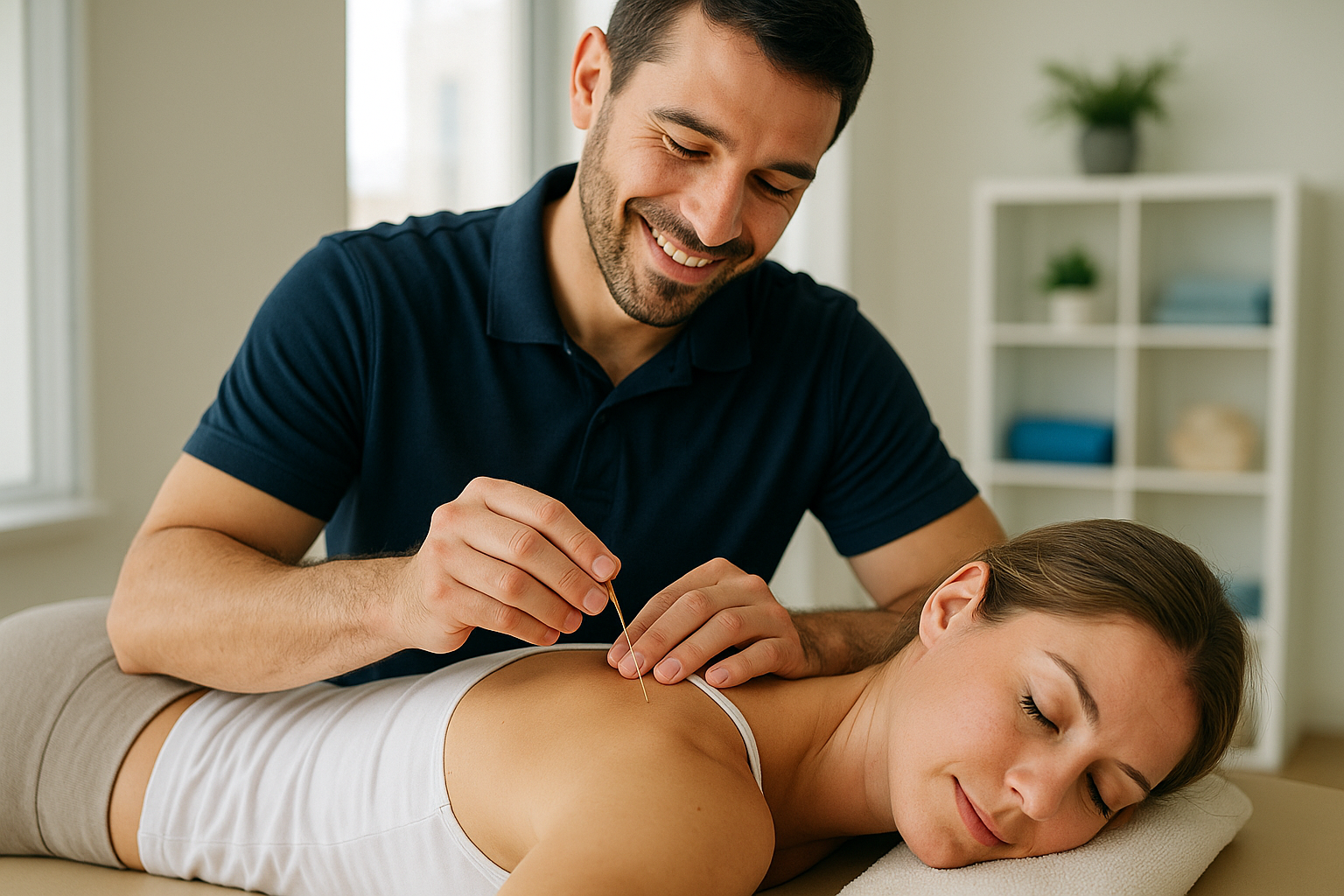
Dry Needling for Chronic Pain: Root-Cause Relief Explained
Discover how dry needling deactivates trigger points, restores mobility, and delivers lasting relief for chronic pain in back, neck, and sports injuries.
16 min read
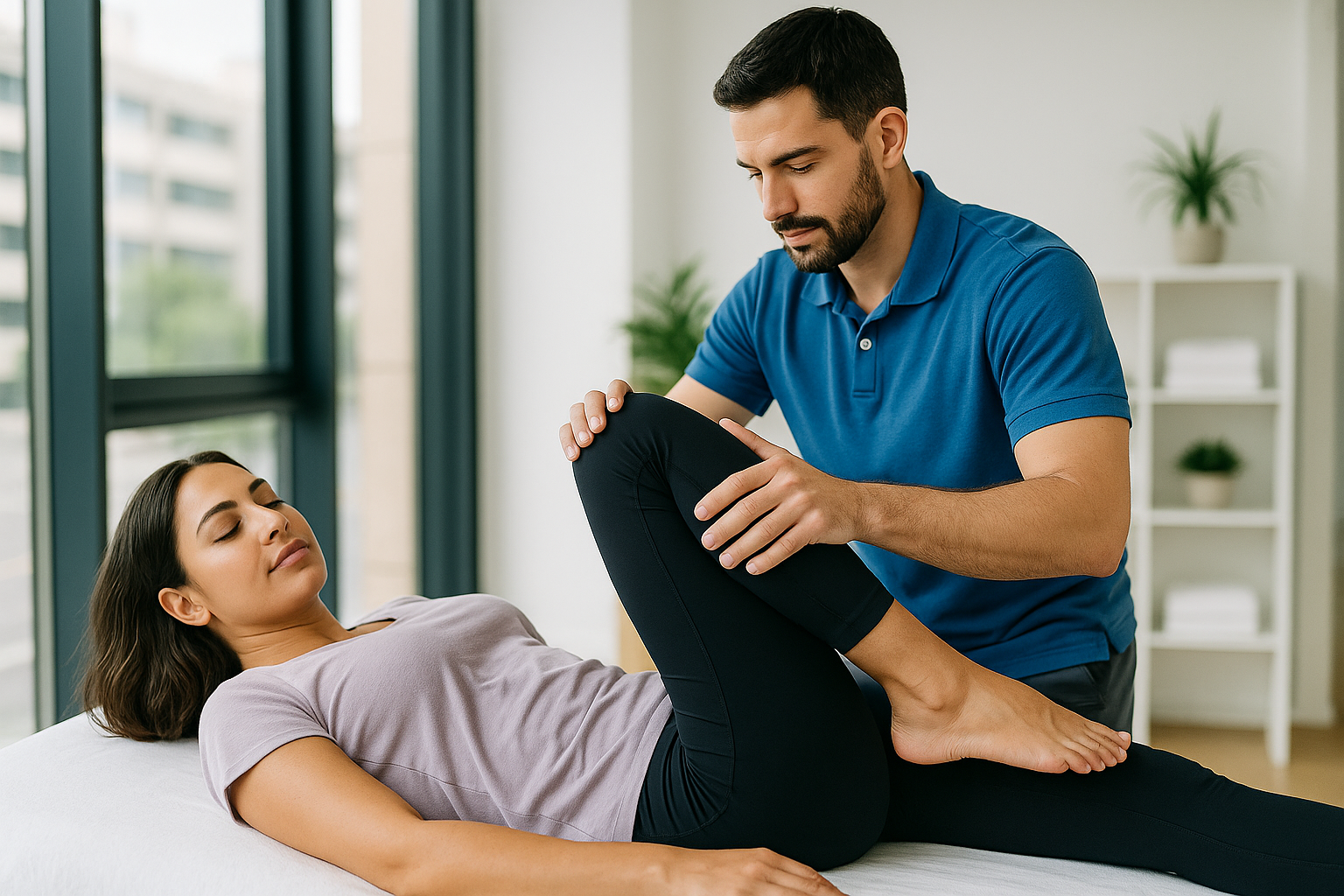
Fascia Stretching: Doctor-Led Pain Relief Guide in Dubai
Discover how evidence-based fascia stretching relieves chronic pain and boosts mobility. Learn doctor-led physiotherapy principles for root-cause relief in Dubai.
16 min read