

Core Strength for Perfect Posture: Sit Tall Pain-Free
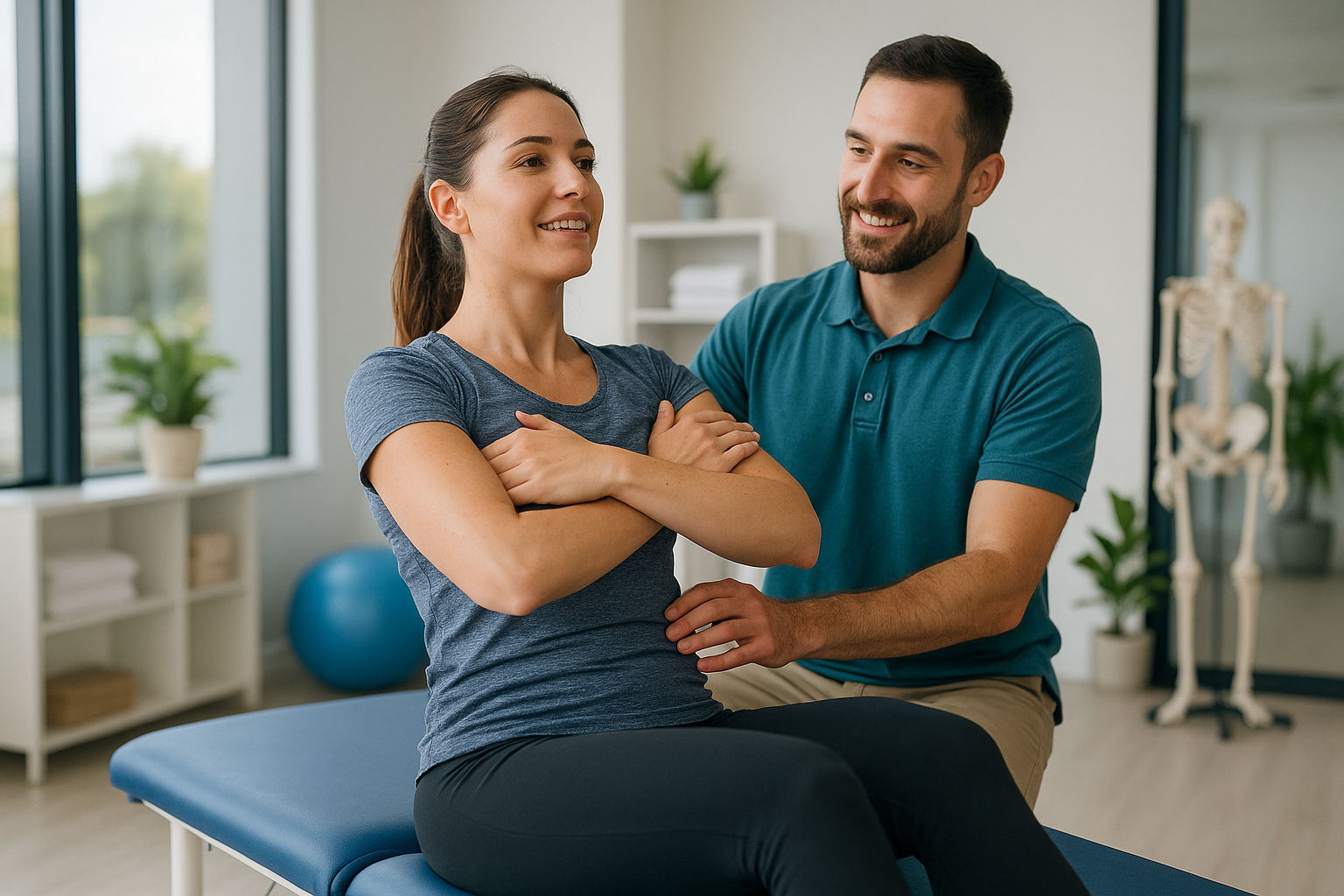
If you spend hours hunched over a desk, locked into an intense gaming session, or cramming for exams, you’ve likely felt that familiar, nagging ache in your neck and back. This discomfort is often a direct result of poor posture, a silent epidemic in our modern, sedentary lives. But what if the secret to standing taller and living pain-free wasn’t in your shoulders or back, but deep within your midsection? Understanding the profound importance of core strength in posture correction is the first step towards building a resilient, upright body and achieving lasting relief from chronic pain.
The Hidden Pillar: Why Your Core is Your Posture's Best Friend
When most people hear the word "core," they immediately think of a six-pack. However, your core is a complex and powerful system of muscles that extends far beyond your superficial abdominals. It includes your deep abdominal muscles (like the transverse abdominis), the muscles in your back (like the multifidus and erector spinae), your diaphragm, and your pelvic floor. Together, these muscles form a natural corset or an "internal weight belt" around your entire midsection, providing 360-degree support for your spine.
Think of your spine as a tall, flexible tower. Without strong, supportive scaffolding, this tower is vulnerable to leaning, bending, and eventually, structural damage. Your core muscles are that scaffolding. When they are strong and engaged, they stabilize your pelvis and spine, allowing you to maintain a neutral, upright posture with minimal effort. This stability is crucial not only when you're standing still but also during every movement you make—from lifting a grocery bag to reaching for something on a high shelf. A well-conditioned core ensures that the load is distributed evenly, protecting the delicate discs and joints of your spine from excessive strain.
When the Pillar Crumbles: The Domino Effect of a Weak Core
In our modern lives, we spend an unprecedented amount of time sitting. This prolonged inactivity can lead to significant core muscle deconditioning. When your core muscles weaken, they can no longer provide adequate support for your spine. This triggers a cascade of negative effects that ripple throughout your body:
- The Classic Slouch: Without a strong core to hold you upright, gravity wins. Your shoulders round forward, your head juts out, and your lower back either flattens or arches excessively. This classic "slumped" posture puts immense pressure on your spinal ligaments and discs.
- Muscle Imbalances: A weak core forces other muscles to overcompensate. Your hip flexors become tight from prolonged sitting, while your glutes become weak and inactive. Your upper back and neck muscles work overtime to hold up your head, leading to tension, knots, and chronic pain.
- Increased Risk of Injury: Simple daily activities, like bending over to tie your shoes, can suddenly become high-risk movements. A weak core leaves your spine vulnerable to sprains, strains, and more serious conditions like disc herniation.
- Reduced Breathing Efficiency: Poor posture compresses your rib cage and diaphragm, restricting your ability to take deep, full breaths. This can lead to decreased energy levels and increased feelings of stress and anxiety.
For office workers and gamers, this postural decline is often gradual but relentless, culminating in persistent discomfort that impacts both productivity and quality of life.
Expert Tip: Set a timer for every 30 minutes to stand up, stretch, and walk around for a few minutes. This simple habit breaks the cycle of prolonged sitting and helps reactivate your postural muscles.
Building Your Foundation: Simple and Effective Posture Correction Exercises
The good news is that you can rebuild your core and reclaim your posture. The key is to focus on exercises that target the deep stabilizing muscles. Consistency is more important than intensity, especially when you're starting. Here are some foundational posture correction exercises you can incorporate into your routine. Remember to always listen to your body and never push through sharp pain.
1. The Plank
The plank is the king of core exercises because it engages the entire "corset" of muscles. Start on your forearms and toes, keeping your body in a straight line from your head to your heels. Avoid letting your hips sag or rise too high. Engage your abs by imagining you are pulling your belly button towards your spine. Hold for 20-30 seconds, rest, and repeat 3 times.
2. The Bird-Dog
This exercise is excellent for improving stability and coordinating opposite sides of the body. Start on all fours with your hands under your shoulders and knees under your hips. Keeping your back flat, slowly extend your right arm straight forward and your left leg straight back. Hold for a moment, then return to the starting position with control. Repeat on the other side. That’s one rep. Aim for 10-12 reps per side.
3. The Glute Bridge
Weak glutes are a common cause of lower back pain and poor posture. The bridge activates them effectively. Lie on your back with your knees bent, feet flat on the floor hip-width apart. Squeeze your glutes and lift your hips off the floor until your body forms a straight line from your shoulders to your knees. Hold for 2-3 seconds at the top, then slowly lower. Perform 12-15 repetitions.
4. The Dead Bug
This movement targets the deep transverse abdominis without straining the lower back. Lie on your back with your arms extended towards the ceiling and your knees bent at a 90-degree angle over your hips. Slowly lower your right arm and left leg towards the floor simultaneously, stopping just before they touch. Exhale as you lower and inhale as you return to the start. Keep your lower back pressed gently into the floor throughout. Alternate sides for 10-12 reps per side.
Beyond the Mat: A Practical Ergonomic Setup Guide
Exercise is crucial, but it can be undone by 8 hours of poor posture at your desk. Creating an ergonomic workspace is a critical component of neck and back pain prevention. Use this simple ergonomic setup guide to optimize your environment:
- Chair Height: Adjust your chair so your feet are flat on the floor and your knees are at a 90-degree angle. Your hips should be level with or slightly higher than your knees. Use a footrest if needed.
- Lumbar Support: Your chair should support the natural curve of your lower back. If it doesn’t, roll up a small towel or use a lumbar pillow to fill the gap between your lower back and the chair.
- Monitor Position: The top of your computer screen should be at or slightly below eye level. You shouldn’t have to tilt your head up or down to see it. Position it about an arm’s length away.
- Keyboard and Mouse: Place your keyboard and mouse close enough that you can use them with your elbows bent at a 90-degree angle and your wrists straight. Your shoulders should be relaxed, not hunched.
Your best posture is your next posture. Even in a perfect ergonomic setup, the key is to change positions frequently to avoid static muscle strain.
Your Path to Lasting Posture Correction
Achieving better posture is a marathon, not a sprint. It requires a holistic approach that combines targeted core strengthening, mindful movement, and an ergonomic environment. While these importance of core strength in posture correction tips are a fantastic starting point, chronic or complex postural issues often benefit from professional guidance. A licensed physiotherapist can perform a comprehensive assessment to identify the specific root cause of your pain and dysfunction.
At Physio Cure Dubai, our Doctor-Led philosophy ensures that your treatment plan is 100% personalized. Our experts, like Dr. Shaimaa Hamdalla, who specializes in Chronic Pain Management and Postural Dysfunctions, go beyond symptom management. We work with you to create a sustainable plan that includes hands-on therapy, guided exercise, and patient education to empower you for long-term success. We believe in active participation and a commitment to recovery, helping you not just feel better, but build a stronger, more resilient body for the future.
Ready to address the root cause of your postural pain? Our team of Doctor-Led physiotherapists is here to build your personalized recovery plan. Learn more about our advanced approach to back pain treatment and book your free initial consultation at Physio Cure Dubai today!
Frequently Asked Questions
Need Help With Your Recovery?
Book a free consultation with our expert physiotherapists.
Related Articles

Physiotherapy Guide to Correct Hunched Shoulders & Posture
Fix rounded shoulders and neck pain. Doctor-led physiotherapy offers targeted stretching, strengthening and holistic care to realign posture and deliver lasting relief.
13 min read

Best Sleeping Positions for Perfect Posture & Pain Relief
Discover side and back sleeping tricks to align your spine, ease neck and lower back pain, and boost posture. Get expert tips on mattresses, pillows, and more.
14 min read

Postural Exercises to Fix Forward Head Syndrome Fast
Learn stretches and strengthening drills that reverse tech neck, realign your spine, and relieve chronic neck pain. Reclaim healthy posture now for good.
14 min read