

Doctor-Led Manual Therapy for Lasting Neck Pain Relief
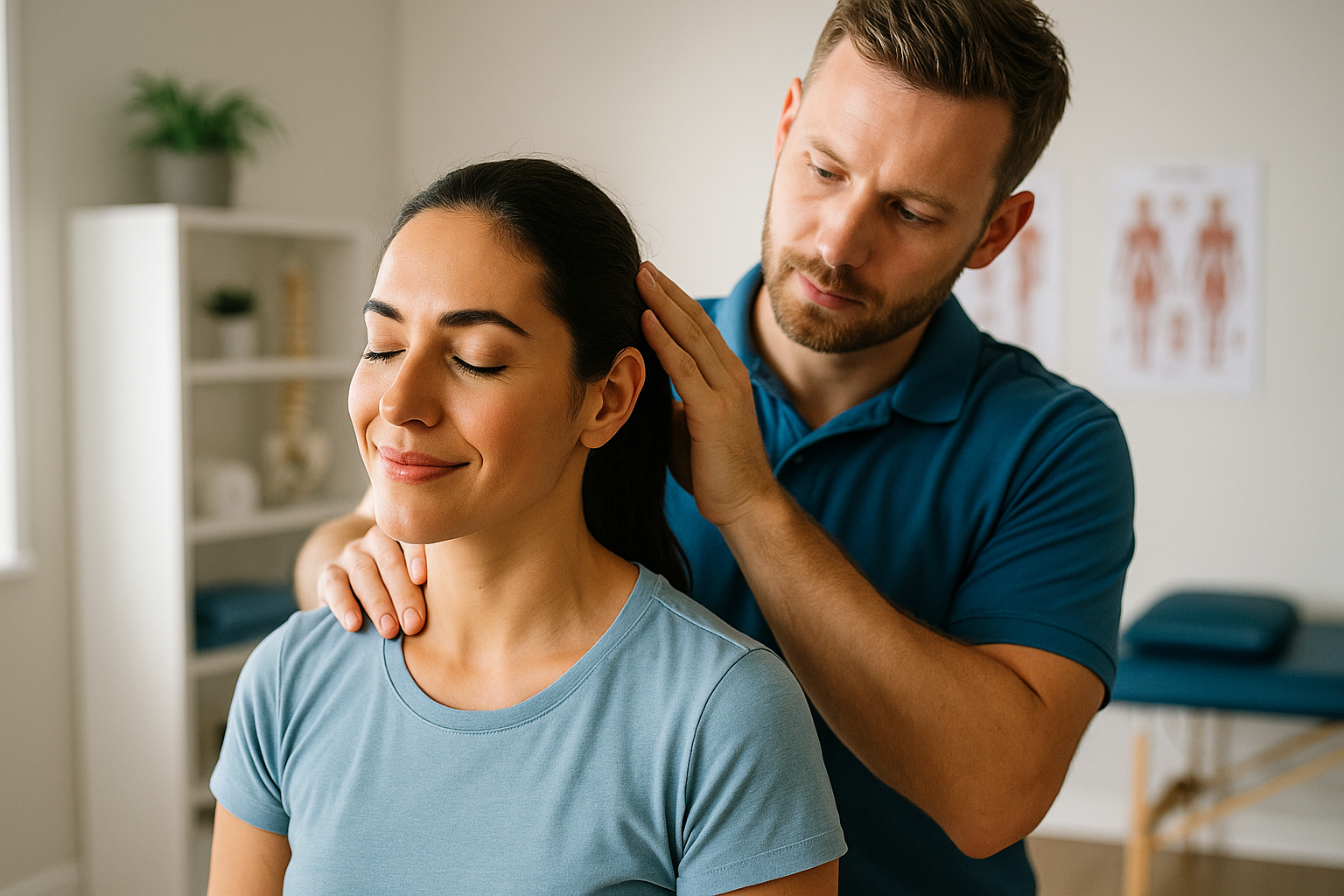
Neck pain is a pervasive issue, often stemming from long hours at a desk, poor posture, or underlying musculoskeletal conditions. While many seek temporary fixes, true, lasting relief requires a deeper, more targeted approach. This is where the sophisticated practice of doctor-led manual therapy for neck pain comes into play. At Physio Cure Dubai, we move beyond surface-level symptom management. Our philosophy is rooted in precise diagnosis and hands-on treatment delivered exclusively by Doctors of Physical Therapy. This guide will explore the intricate world of manual therapy, explaining how these skilled techniques address the root cause of your discomfort, restoring mobility and empowering you to live a pain-free life.
Understanding Hands-On Physiotherapy: More Than Just a Massage
When people hear "hands-on therapy," they often picture a relaxing spa massage. While therapeutic massage is one component, clinical manual therapy is a much broader and more specialized field of physiotherapy. It represents a cornerstone of our treatment philosophy at Physio Cure Dubai, where every assessment, diagnosis, and treatment is performed by a licensed Doctor of Physical Therapy, never a technician. This distinction is crucial.
Hands-on physiotherapy is a systematic approach that uses highly skilled hand movements to diagnose and treat restrictions in joints, soft tissues, and nerves. It’s a dynamic process where the therapist uses tactile feedback to assess tissue texture, joint mobility, and muscle tension with a level of detail that no imaging or machine can replicate. This allows our specialists, such as Dr. Mina Gamil, to pinpoint the exact source of your neck pain—be it a stiff vertebral joint, a tight fascial line, or a neurologically-driven muscle spasm. This commitment to root-cause diagnosis ensures that the treatment is not just palliative but corrective, aiming for long-term resolution rather than a temporary easing of symptoms. It is an active, evidence-based intervention designed to restore optimal function.
A Deep Dive into Manual Therapy for Neck Pain Techniques
A Doctor of Physical Therapy has an extensive toolkit of techniques, and the selection depends entirely on your unique diagnosis. At our clinic, a 100% personalized care plan means we choose and combine modalities that will be most effective for your specific condition, lifestyle, and recovery goals. Here are some of the core techniques we utilize to treat neck pain:
- Joint Mobilization: This technique involves gentle, controlled, passive movements applied to specific spinal joints in the neck (cervical spine) and upper back (thoracic spine). The goal is to reduce pain and improve the joint's ability to move through its natural range of motion. Unlike a high-velocity manipulation, these are slow, rhythmic movements. This is particularly effective for individuals experiencing stiffness, a "locked" feeling, or pain that worsens with specific head movements. By restoring normal joint mechanics, we reduce strain on surrounding muscles and nerves.
- Soft-Tissue Mobilization: This is a broad category of hands-on techniques focused on the tissues surrounding the joints—muscles, ligaments, tendons, and fascia. The therapist uses a variety of strokes and depths of pressure to break down adhesions (scar tissue), reduce swelling and inflammation, and release muscular tension. For neck pain, this could involve working on the trapezius, levator scapulae, or suboccipital muscles, which are common culprits in tension headaches and postural strain.
- Myofascial Release: Fascia is the web of connective tissue that encases and connects everything in your body. Injury, inflammation, or poor posture can cause this fascia to become tight and restricted, pulling on muscles and joints and causing pain. Myofascial release involves applying sustained, gentle pressure to these restricted areas, allowing the fascia to elongate and release its grip. This is a profound technique for chronic pain and complex conditions, often providing relief where other methods have failed. Dr. Shaimaa Hamdalla often incorporates this holistic technique to address widespread postural dysfunctions.
- Trigger Point Therapy (or Dry Needling): Trigger points are hyper-irritable "knots" within a tight band of muscle that can cause localized pain and referred pain to other areas (for example, a knot in the shoulder causing a headache). Manual trigger point therapy involves applying direct, sustained pressure to the knot to deactivate it. A more advanced modality we use is Dry Needling, where a fine filiform needle is inserted into the trigger point to elicit a "twitch response," effectively resetting the muscle to a relaxed state and immediately improving pain and mobility.
- Muscle Energy Techniques (MET): This is an active technique where you, the patient, participate. The therapist positions your neck or a related body part in a specific way and asks you to contract a muscle against their gentle resistance for a few seconds. When you relax, the therapist can then gently stretch the muscle further than before. MET is excellent for lengthening shortened muscles, improving joint mobility, and re-educating neuromuscular pathways without aggressive stretching.
Expert Tip: Effective treatment begins with an accurate diagnosis. The success of manual therapy hinges on correctly identifying the primary tissue or joint causing the pain. This is why a thorough initial assessment by a Doctor of Physical Therapy is the most critical step in your recovery journey.
The Science of Healing: How Joint and Soft-Tissue Therapy Works
The benefits of manual therapy are not magic; they are grounded in well-understood physiological principles. When a skilled therapist applies targeted force to your body, it initiates a cascade of positive biological responses. This goes far beyond simply "rubbing a sore spot."
On a mechanical level, joint and soft-tissue therapy physically breaks down fibrous adhesions and scar tissue that restrict movement. These adhesions can form after an injury or due to chronic inflammation, effectively "gluing" layers of tissue together that should slide freely. By restoring this mobility, we reduce stiffness and mechanical stress on the entire cervical-thoracic region.
Neurologically, manual therapy works by modulating pain signals. The gentle pressure and movement stimulate specific sensory receptors in the skin, muscles, and joints. According to the "Gate Control Theory of Pain," these signals travel to the spinal cord faster than pain signals do, effectively "closing the gate" and reducing the brain's perception of pain. Furthermore, these techniques can calm an over-sensitized nervous system, reducing central sensitization, which is a key factor in chronic pain conditions.
Finally, on a circulatory level, these hands-on methods improve local blood flow and lymphatic drainage. This is vital for healing, as blood delivers oxygen and nutrients essential for tissue repair, while the lymphatic system clears away inflammatory byproducts. By enhancing this natural process, manual therapy accelerates recovery from both acute injuries and chronic inflammation. For a comprehensive overview of these mechanisms, you can review this ultimate guide to manual therapy for neck pain relief.
The Proven Manual Therapy Benefits for Your Well-Being
Patients who commit to a comprehensive manual therapy plan often experience profound and lasting benefits that extend far beyond simple pain reduction. Because this approach targets the underlying dysfunction, the results are more sustainable and transformative.
- Significant and Lasting Pain Reduction: By addressing the root mechanical or neurological cause of the pain—whether it's a stiff facet joint, a myofascial restriction, or nerve irritation—manual therapy provides relief that lasts. It's the difference between turning off a fire alarm and actually putting out the fire.
- Improved Range of Motion and Flexibility: Neck stiffness can make simple tasks like driving, working at a computer, or even sleeping incredibly difficult. Manual therapy directly restores mobility to joints and elasticity to soft tissues, allowing you to turn your head freely and comfortably without pain or restriction.
- Enhanced Posture and Body Mechanics: Poor posture is a leading cause of neck pain. Our therapists use manual techniques to release the tight muscles that pull you out of alignment and combine this with patient education and targeted exercises to retrain your body to maintain a healthier posture. This proactive approach is a key part of our injury prevention stage in the patient journey.
- Reduced Need for Medication: Many patients find that by effectively managing their pain through manual therapy, they can significantly reduce or even eliminate their reliance on pain-relieving medications, which often come with unwanted side effects.
- Faster Return to Activity: Whether you're an athlete eager to get back to your sport or simply want to enjoy daily activities without pain, manual therapy can accelerate your recovery timeline. It is a cornerstone of our Sports Injury Rehabilitation programs, helping athletes recover function and prevent re-injury.
Our Mission: "To deliver personalized, evidence-based physiotherapy that empowers patients to live their healthiest lives, through compassionate care, continuous innovation, and unwavering excellence." This mission is the driving force behind our hands-on, doctor-led approach.
Why a Doctor-Led Approach is Non-Negotiable for Complex Neck Pain
In the landscape of physiotherapy, not all care is created equal. The single most important factor in the success of your treatment is the expertise of the person providing it. At Physio Cure Dubai, we are positioned as "Dubai's Premier Doctor-Led Physiotherapy Clinic" for a reason. Every patient is exclusively treated by a senior practitioner holding a Doctor of Physical Therapy (DPT) degree.
A Doctor of Physical Therapy possesses advanced clinical reasoning and diagnostic skills. They are trained to perform a differential diagnosis, which means ruling out more serious conditions and identifying the precise musculoskeletal structure at fault. This is essential for neck pain, which can sometimes be a symptom of a more complex issue. This diagnostic rigor ensures your treatment plan is not only effective but, most importantly, safe.
This expertise allows for a truly personalized treatment plan. A doctor-led session is a continuous loop of assessment, treatment, and reassessment. Your therapist will feel how your tissues respond to a technique and immediately adapt their approach. They will integrate manual therapy with other evidence-based modalities like Dry Needling, Cupping Therapy, or even specific exercises on advanced equipment like our spinal decompression machine, creating a holistic and synergistic plan. This is a level of care and clinical agility that cannot be delivered through a standardized, protocol-driven model. It requires active patient participation and a collaborative partnership between you and your doctor, ensuring you not only heal but also gain the knowledge to prevent future injuries.
Don't let neck pain dictate the terms of your life. Experience the profound difference of a personalized, doctor-led approach. Book your comprehensive assessment at Physio Cure Dubai and learn more about our advanced manual therapy for neck pain today.
Frequently Asked Questions
Need Help With Your Recovery?
Book a free consultation with our expert physiotherapists.
Related Articles

Stretches to Relieve Postural Back Pain Quickly & Safely
Get 7 physiotherapist-approved stretches to release tight hips, fix slouching, and ease postural back pain. Try this daily routine for lasting relief.
16 min read
Slouch No More with Expert Spinal Posture Correction
Discover how doctor-led spinal adjustments, holistic physiotherapy, and tailored exercise reverse slouching, ease neck & back pain, and rebuild healthy posture.
15 min read

Doctor-Led Cupping Therapy for Lasting Back & Neck Relief
Discover expert cupping therapy that decompresses, boosts circulation, and targets chronic back and neck pain at its root for relief and improved mobility.
13 min read