

Fix Your Posture for Lasting TMJ Relief & Jaw Pain Solution
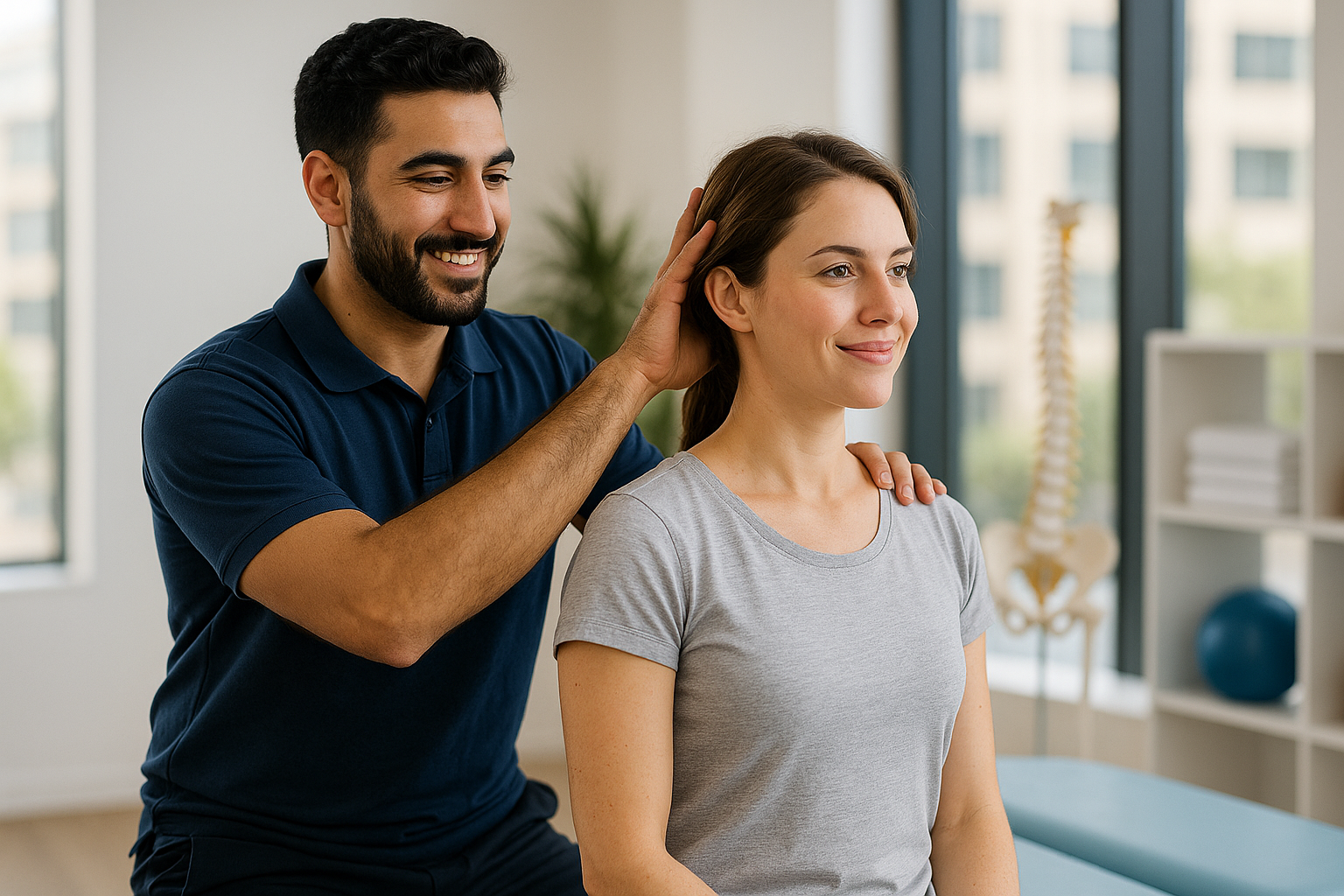
That persistent ache in your jaw, the frustrating click every time you chew, the tension headaches that seem to come from nowhere—living with Temporomandibular Joint (TMJ) dysfunction can be debilitating. While many focus solely on the jaw itself, a surprising and significant contributor often goes overlooked: your posture. The way you sit, stand, and hold your head creates a direct biomechanical link to your jaw's function and comfort. Understanding this connection is the first step toward lasting relief. At Physio Cure Dubai, our doctor-led team emphasizes a root-cause approach, exploring the intricate role of posture in TMJ treatment to develop personalized plans that do more than just manage symptoms—they resolve the underlying problem.
The Unseen Connection: How Your Spine Affects Your Jaw
To understand the link between posture and jaw pain, it helps to think of your body as a finely tuned kinetic chain. The position of your head, which weighs approximately 5 kg (11 lbs), is balanced precariously atop your cervical spine (your neck). When you maintain a healthy, neutral posture, this weight is distributed efficiently through the spinal column. However, modern life often forces us into positions that disrupt this balance, most notably the "forward head posture."
For every inch your head juts forward, it effectively adds another 10 pounds of force for your neck and upper back muscles to support. This chronic strain doesn't just stay in the neck. It triggers a cascade of compensations:
- Muscle Overload: Muscles at the front of the neck (like the sternocleidomastoid and scalenes) become tight and shortened, while those at the back become strained and elongated.
- Jaw Misalignment: The forward head position causes the lower jaw (mandible) to be pulled backward and down. To compensate and keep the mouth level, the body recruits the powerful chewing muscles (like the masseter and temporalis) to hold the jaw in a tense, unnatural position.
- Joint Stress: This constant muscular tension and misalignment place immense stress directly on the temporomandibular joint itself, leading to inflammation, pain, disc displacement, and the classic TMJ symptoms of clicking, popping, and limited movement.
Essentially, your body sacrifices the comfort of your jaw to keep your eyes level with the horizon. Over time, this adaptation becomes a dysfunction, making posture a primary target in any effective jaw pain treatment plan.
Identifying Postural Culprits That Exacerbate TMJ Pain
Recognizing the postural habits that contribute to your TMJ pain is a crucial step toward recovery. Many of these are so ingrained in our daily routines that we perform them unconsciously. Consider if any of these common culprits apply to you:
- "Tech Neck" or "Screen Slouching": The most prevalent postural issue today. Whether you're hunched over a laptop, craning your neck to look at a monitor that's too low, or looking down at your smartphone, this position is a direct cause of forward head posture.
- Rounded Shoulders: Often accompanying tech neck, rounded shoulders cause the chest muscles to tighten and the upper back muscles to weaken. This posture pulls the entire shoulder girdle forward, further exacerbating the strain on the neck and, consequently, the jaw.
- Driving Posture: Long commutes spent reaching for the steering wheel with a hunched back and forward head position can lock in poor postural patterns.
- Unsupported Sleeping Positions: Sleeping on your stomach or with pillows that are too high or too flat can force your neck into awkward angles for hours, contributing to muscle imbalances that affect the jaw.
Quick Posture Check: Stand with your back against a solid wall. Your heels, buttocks, shoulder blades, and the back of your head should comfortably touch the wall. If there's a large gap behind your neck or your head has to tilt back significantly to touch the wall, you likely have forward head posture that could be impacting your jaw.
A New Foundation: The Role of Posture in TMJ Treatment Exercises
Correcting these deep-seated postural habits requires conscious effort and targeted exercises designed to retrain your muscles. The goal of these role of posture in tmj treatment exercises is twofold: to stretch the tight muscles at the front of your body and to strengthen the weakened muscles at the back. Integrating a few key movements into your daily routine can make a significant difference.
- Cervical Retraction (Chin Tucks): This is the cornerstone exercise for correcting forward head posture. Sit or stand tall. Without tilting your head up or down, gently glide your chin and head straight back, as if you're trying to make a double chin. You should feel a stretch at the back of your neck and an engagement of the muscles deep in the front. Hold for 5 seconds and repeat 10 times.
- Scapular Squeezes: To combat rounded shoulders, sit or stand with your arms at your sides. Gently squeeze your shoulder blades together and down, as if you're trying to pinch a pencil between them. Be careful not to shrug your shoulders up toward your ears. Hold for 5-10 seconds and repeat 10-15 times.
- Thoracic Extension on Foam Roller: A stiff upper back (thoracic spine) forces the neck to compensate by moving forward. Lie on the floor with a foam roller placed horizontally under your upper back. With your hands supporting your head, gently arch your back over the roller, allowing your chest to open up. Roll slowly up and down from the base of your neck to your mid-back.
For a more comprehensive list of exercises, this resource offers 9 excellent examples for TMJ pain relief. However, performing exercises correctly is paramount to avoid further strain.
Why Professional Guidance is Key: The Power of TMJ Physiotherapy
While exercises are beneficial, self-treatment has its limits. TMJ dysfunction is a complex issue, and what works for one person may not work for another. This is where professional TMJ physiotherapy becomes essential. At Physio Cure Dubai, our doctor-led philosophy ensures that your treatment journey begins with a comprehensive assessment to identify the specific root cause of your pain.
A qualified Doctor of Physical Therapy can pinpoint the exact muscular imbalances and joint restrictions contributing to your condition. Our practitioners, such as Dr. Shaimaa Hamdalla who specializes in postural dysfunctions, create 100% personalized treatment plans that go far beyond generic exercises. This professional intervention often includes:
- TMJ Manual Therapy: This is the cornerstone of effective treatment. It involves skilled, hands-on techniques to release trigger points in overworked jaw and neck muscles, mobilize stiff joints in the cervical and thoracic spine, and restore normal movement patterns.
- Advanced Modalities: Depending on your specific diagnosis, techniques like Dry Needling or Cupping Therapy may be used to release deep muscle tension and improve blood flow, accelerating the healing process.
- Personalized Exercise Prescription: A physiotherapist will guide you on the precise execution of corrective exercises, ensuring you are activating the right muscles and not creating further compensation. They will progress your program as you get stronger, building resilience against future flare-ups.
Effective TMJ treatment is never one-size-fits-all. A personalized plan that addresses your unique postural habits, lifestyle, and biomechanics is the only path to sustainable relief and long-term wellness.
By addressing both the local symptoms in the jaw and the postural drivers originating in the spine, this holistic, evidence-based approach provides a complete and lasting solution. It’s about correcting the entire system, not just chasing the pain.
Ready to address the root cause of your jaw pain? Discover how our doctor-led approach to TMJ Manual Therapy can help you find lasting relief and reclaim your quality of life.
Frequently Asked Questions
Need Help With Your Recovery?
Book a free consultation with our expert physiotherapists.
Related Articles

Transform Posture to Eliminate TMJ Jaw Pain for Good
Unlock lasting TMJ relief by fixing forward head posture. Learn doctor-led corrective exercises, manual therapy, and ergonomic tweaks that end jaw pain for good.
15 min read

Jaw Alignment & Headache Relief: Doctor-Led Physiotherapy
Discover how TMJ dysfunction and jaw misalignment trigger chronic headaches. Learn evidence-based physiotherapy for lasting pain relief and better posture.
13 min read
Massage Techniques for TMJ Pain: Ultimate Relief Guide
TMJ massage offers jaw pain relief. Ease tension, boost mobility, and curb headaches. Follow step-by-step self-care and learn when physiotherapy can help.
14 min read