

Strength Training: A Game Changer in Orthopedic Rehab
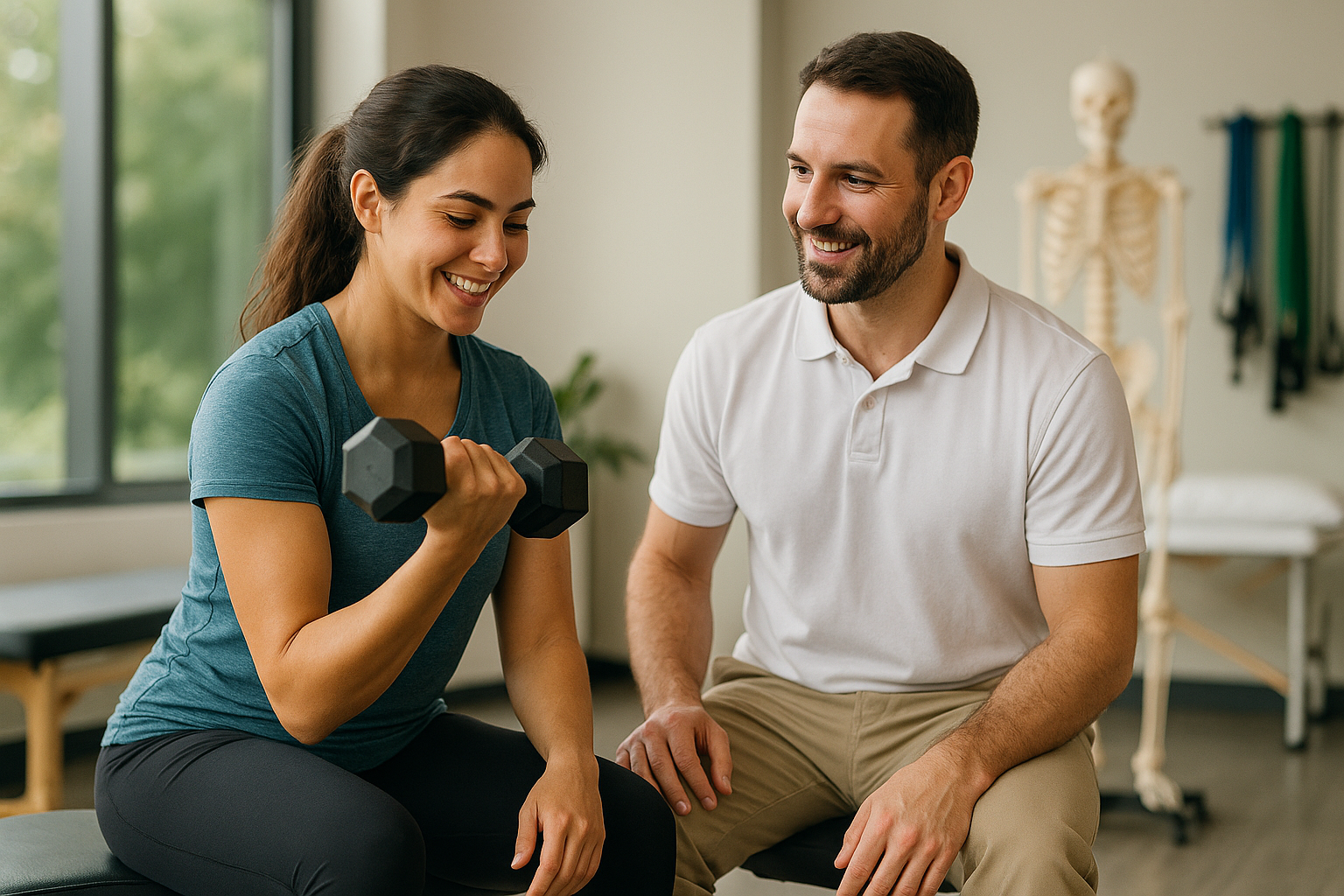
When faced with a musculoskeletal injury or recovering from orthopedic surgery, the instinct to rest and immobilize the affected area is strong. While rest is a crucial initial step, the journey back to full function is paved with active, purposeful movement. The cornerstone of this journey is a concept that often seems counterintuitive to those in pain: strength training. The true role of strength training in orthopedic rehab extends far beyond simply rebuilding muscle; it's a dynamic, scientific process that restructures, stabilizes, and empowers the body to heal correctly and prevent future injury. This guide will explore how targeted resistance exercises, under professional guidance, form the foundation of a lasting recovery.
The Foundation of Recovery: Why Strength is Non-Negotiable
After an injury, surgery, or period of immobilization, a phenomenon known as muscle atrophy begins. This is the progressive weakening and wasting away of muscle tissue due to disuse. For manual workers or anyone relying on physical capability, this can be particularly debilitating. Atrophy not only diminishes your capacity to perform daily tasks—from climbing stairs to lifting groceries—but it also creates a dangerous instability around the affected joint or body part. Without the strong, supportive corset of surrounding muscles, joints become vulnerable to further damage, and dysfunctional movement patterns can develop, leading to chronic pain.
This is where doctor-led physiotherapy and targeted strength training intervene decisively. The primary goal is to systematically reverse atrophy. By introducing carefully controlled resistance, we stimulate muscle fibers, forcing them to adapt and grow stronger. This process, known as hypertrophy, does more than just restore lost muscle mass. It re-establishes the crucial neuromuscular connections—the communication lines between your brain and your muscles—that are often disrupted by injury. Rebuilding this foundation is the first and most critical step in regaining functional independence and ensuring the long-term health of your musculoskeletal system.
A Deeper Dive: The Science of Rebuilding Your Body
The benefits of strength training in a rehabilitation context are not based on guesswork; they are rooted in well-established physiological principles. When you perform a resistance exercise, you create microscopic tears in your muscle fibers. The body’s natural repair process not only fixes these micro-tears but also adds more contractile proteins, making the muscle fiber thicker and stronger. This adaptation is the physical basis of increased strength.
Furthermore, the mechanical stress placed on bones during weight-bearing and resistance exercises is profoundly beneficial. According to Wolff's Law, bone in a healthy person or animal will adapt to the loads under which it is placed. If loading on a particular bone increases, the bone will remodel itself over time to become stronger to resist that sort of loading. This is vital for post-operative patients, especially those recovering from fractures or joint replacements, as it helps improve bone density and reduces the risk of future fractures or implant loosening. The scientific literature strongly supports this, with studies highlighting that structured strength training is a key determinant of successful outcomes in postoperative orthopedic rehabilitation. For a deeper academic perspective, you can review research on the importance of strength training in postoperative orthopedic rehabilitation, which underscores its role in accelerating recovery and improving functional results.
Key Tip: The goal of rehab isn't just to heal the injury, but to build a more resilient body. Strength training is the tool that transforms recovery from a passive waiting game into an active process of building that resilience.
More Than Just Muscle: Enhancing Stability and Preventing Re-Injury
A common misconception is that joints are stabilized solely by passive structures like ligaments and cartilage. In reality, muscles play an enormous role as active stabilizers. When muscles surrounding a joint (like the rotator cuff in the shoulder or the quadriceps and hamstrings around the knee) are strong and coordinated, they act like dynamic braces, absorbing shock and controlling movement. This significantly reduces the stress on ligaments and cartilage, protecting them from excessive strain and potential re-injury.
Many injuries, particularly chronic ones, stem from underlying muscular imbalances. For example, lower back pain is often linked to weak core and gluteal muscles, which forces the smaller muscles of the lower back to overcompensate. A comprehensive orthopedic rehab program doesn't just strengthen the injured area; it performs a full-body assessment to identify and correct these imbalances. By strengthening the weak links in the kinetic chain and stretching the tight ones, physiotherapy restores proper biomechanics, ensuring that forces are distributed evenly across the body. This holistic approach is fundamental to not only recovering from the current issue but also preventing a cascade of future problems.
A Phased Guide to Strength Training in Orthopedic Rehab Physiotherapy
The application of strength training in a clinical setting is a carefully phased process. A licensed physical therapist will guide you through these stages, ensuring that each step is appropriate for your level of healing. Rushing the process can be counterproductive, while a structured progression ensures optimal outcomes.
- Phase 1: Activation and Isometric Contraction. In the early stages, when a joint may be too painful or sensitive for movement, the focus is on re-establishing the mind-muscle connection. Isometric exercises, which involve contracting a muscle without changing its length (e.g., pushing your hand against a wall), are perfect for this. They activate muscle fibers and prevent further atrophy without stressing the healing tissues.
- Phase 2: Isotonic and Range-of-Motion Exercises. Once cleared for movement, you'll progress to isotonic exercises, where the muscle contracts to move a resistance through a range of motion. This phase begins with light resistance, often just using your body weight or light resistance bands. The focus is on controlled movement and restoring full, pain-free mobility.
- Phase 3: Progressive Resistance and Functional Strengthening. As tissues heal and strength improves, the resistance is gradually increased. This is where traditional strength training equipment like dumbbells, kettlebells, or cable machines may be introduced. The exercises become more functional, meaning they mimic the movements you need for your daily life, job, or sport (e.g., squatting, lifting, pushing).
- Phase 4: Power, Plyometrics, and Sport-Specific Training. For athletes or individuals with high physical demands, the final phase involves developing power (the ability to generate force quickly) and agility. This may include plyometric exercises like jumping or throwing, which train the muscles and nervous system to react explosively and efficiently, preparing you for a safe return to high-level activity.
Common Role of Strength Training in Orthopedic Rehab Exercises & Techniques
A physical therapist's toolkit is vast, and the specific exercises prescribed will be 100% personalized to your condition, goals, and current abilities. However, some common modalities and types of exercises are frequently used in orthopedic rehabilitation:
- Bodyweight Exercises: The foundation of many programs. Squats, lunges, glute bridges, planks, and push-ups are incredibly effective for building foundational strength and stability without external equipment.
- Resistance Bands: These are versatile, portable, and provide variable resistance, making them ideal for all stages of rehab. They are excellent for targeting smaller stabilizing muscles, especially around the hips and shoulders.
- Free Weights (Dumbbells & Kettlebells): Once a baseline of strength is established, free weights are used to challenge the body further. They require more stabilization than machines, which helps improve neuromuscular control and inter-muscular coordination.
- Cable Machines: These allow for a huge variety of exercises that can mimic functional movements in a controlled manner, providing constant tension throughout the range of motion.
- Balance and Proprioception Tools: Using tools like stability balls, BOSU balls, or balance pads while performing exercises adds a challenge that enhances proprioception—your body's awareness of its position in space. This is critical for preventing falls and improving joint stability.
Important Tip: Proper form is paramount. It is always better to lift a lighter weight with perfect technique than a heavier weight with poor form. One correct repetition is worth more than ten improper ones and is infinitely safer.
Essential Role of Strength Training in Orthopedic Rehab Tips for Success
Navigating the path of rehabilitation can be challenging, but a few key principles can make the process smoother and more effective. Adhering to these tips will help you maximize the benefits of your strength training program and achieve a full, lasting recovery.
Seek Professional Guidance: This cannot be overstated. A licensed Doctor of Physical Therapy is an expert in musculoskeletal health and rehabilitation. They will perform a comprehensive assessment to diagnose the root cause of your issue, create a fully personalized treatment plan, and guide you on correct exercise technique. This professional oversight is crucial to ensure safety and effectiveness, preventing you from doing too much too soon or using improper form that could set back your recovery.
Be Consistent and Patient: Physiological changes take time. Strength is not built overnight. The key to success is consistency. Adhering to your prescribed home exercise program and attending your physiotherapy sessions regularly will create the cumulative effect needed for tissue remodeling and strength gains. It's vital to be patient with your body and celebrate small victories along the way.
Listen to Your Body: There's a difference between the discomfort of muscle fatigue (a sign of a productive workout) and sharp, stabbing, or radiating pain (a sign that you should stop). Learn to recognize your body's signals. If an exercise causes pain, communicate this to your physical therapist. They can modify the movement or choose an alternative to continue progress without aggravating the injury.
Integrate a Holistic Approach: True recovery involves more than just exercise. Pay attention to your nutrition to provide your body with the building blocks for repair. Prioritize sleep, as this is when the majority of healing and muscle growth occurs. Manage stress levels, as high cortisol can impede recovery. A holistic view ensures that all aspects of your well-being are aligned to support your physical rehabilitation.
If you're recovering from an injury or surgery and ready to take an active role in your recovery, strength training is your most powerful ally. Discover how a doctor-led, personalized approach can make all the difference. Learn more about our specialized Orthopedic Physiotherapy services at Physio Cure Dubai and start your journey back to strength today.
Frequently Asked Questions
Need Help With Your Recovery?
Book a free consultation with our expert physiotherapists.
Related Articles

Doctor-Led Hip Replacement Recovery Exercises Roadmap
Discover the doctor-led roadmap for hip replacement recovery exercises. Learn safe, progressive moves, key precautions, and tips for lasting joint mobility.
14 min read

Hip Replacement Recovery Exercises: Your Complete Roadmap
Master each phase of hip replacement rehab with doctor-led physiotherapy. Discover evidence-based exercises that restore strength, mobility, and independence.
13 min read
Post-Fracture Rehabilitation: Recover Stronger & Faster
Discover how doctor-led, personalized post-fracture physiotherapy rebuilds strength, restores mobility, and prevents re-injury so you return to life stronger.
12 min read