

Spinal Mobilization vs Manipulation: Doctor-Led Pain Relief
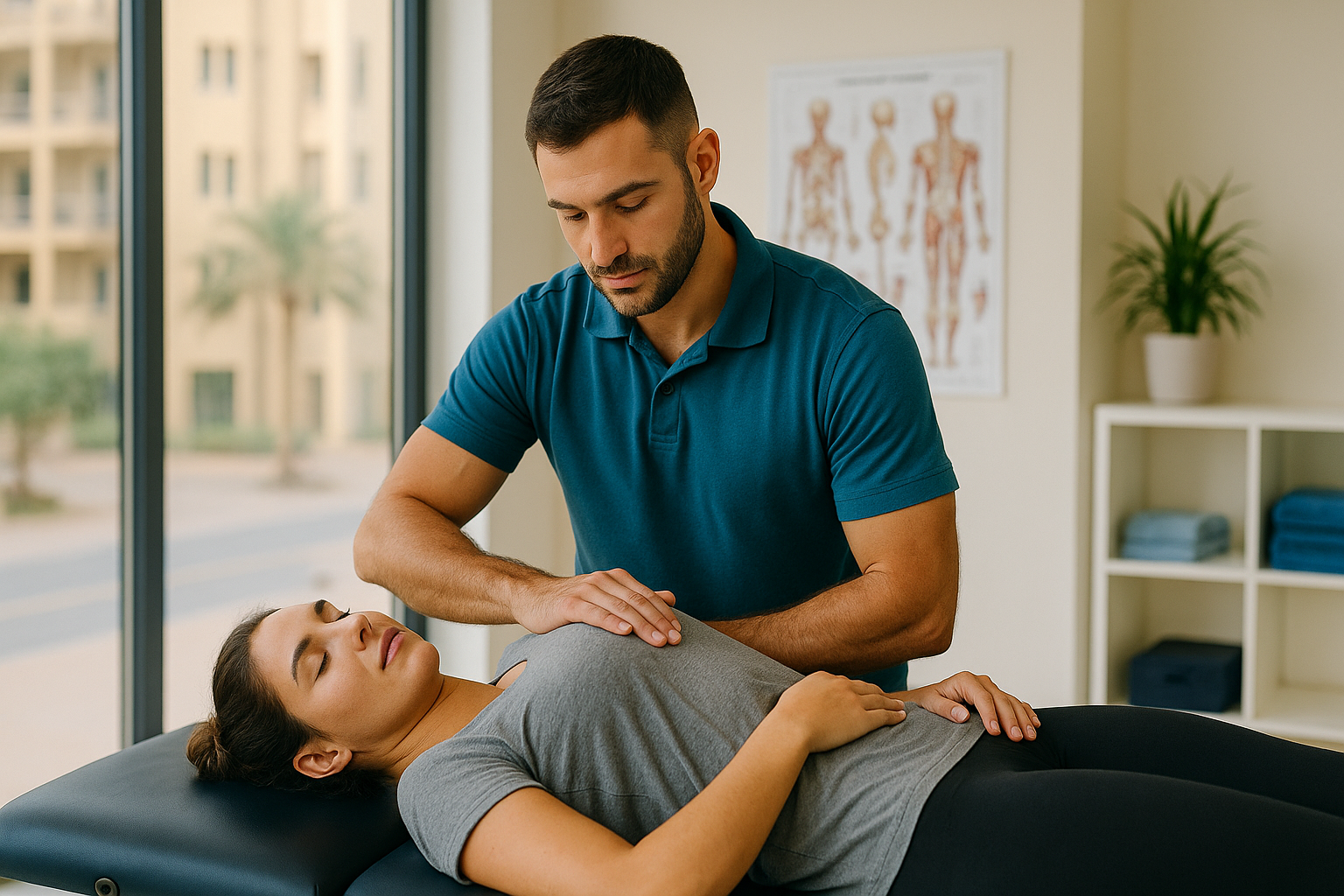
When seeking relief from back or neck pain, you may encounter the terms spinal mobilization and spinal manipulation. While both are highly effective hands-on physiotherapy techniques, they are not interchangeable. Understanding the key differences is crucial for anyone exploring treatment options for musculoskeletal pain. This guide will clarify the distinction between spinal mobilization vs. spinal manipulation, helping you understand how a qualified physiotherapist selects the best approach for your specific condition. At Physio Cure Dubai, our doctor-led team specializes in these precise techniques to address the root cause of your pain, ensuring a safe and personalized path to recovery.
The Foundation: Understanding Hands-On Physiotherapy
Before diving into the specifics, it's important to understand the broader category these treatments fall under: manual therapy. Manual therapy, a cornerstone of our practice at Physio Cure Dubai, involves skilled, hands-on techniques to diagnose and treat musculoskeletal conditions. This includes both joint and soft-tissue therapy. The primary goal is to improve tissue extensibility, increase range of motion, mobilize or manipulate soft tissues and joints, reduce pain, and decrease soft-tissue swelling or inflammation. Both spinal mobilization and manipulation are specialized forms of joint-focused manual therapy, applied with precision by our licensed Doctors of Physical Therapy.
Spinal Mobilization: The Gentle Path to Improved Mobility
Spinal mobilization is a gentle, low-velocity technique where a therapist applies slow, repetitive movements to a spinal joint. These movements are performed within the joint's natural range of motion, aiming to gradually increase flexibility, reduce stiffness, and alleviate pain. The force is carefully modulated, and the patient often has control, able to stop the movement if any discomfort arises.
This technique is particularly suitable for patients with sensitive conditions, acute inflammation, significant muscle guarding, or conditions like osteoporosis or certain types of arthritis. It's an excellent choice for individuals who may be apprehensive about more forceful treatments. The focus is on rhythmic, passive movement to restore function without pushing beyond the patient's comfort level. This approach is often integrated into comprehensive plans for chronic pain management and postural dysfunctions, where a delicate touch is paramount.
The key principle of mobilization is to work *with* the body's natural mechanics. It’s a therapeutic dialogue between the therapist’s hands and the patient's joints, encouraging movement rather than forcing it.
Spinal Manipulation: The High-Velocity Thrust for Rapid Relief
Spinal manipulation, on the other hand, is a high-velocity, low-amplitude (HVLA) thrust. This technique involves moving a joint just beyond its passive range of motion with a quick, precise impulse. It's the technique most commonly associated with the audible "pop" or "crack." This sound, known as cavitation, is simply the release of gas bubbles (like nitrogen) from the synovial fluid within the joint capsule as pressure changes. It is not bones cracking or grinding together.
The goal of manipulation is to break up adhesions, restore normal joint motion, and stimulate the nervous system to relax surrounding muscles and reduce pain signals. It can provide rapid relief for certain types of joint restrictions or "locked" segments. This technique is often used in cases of chronic, non-inflammatory back pain or as part of a robust sports injury rehabilitation program where a quick restoration of biomechanics is needed. Due to its forceful nature, it requires a thorough assessment to rule out contraindications.
At a Glance: Spinal Mobilization vs. Spinal Manipulation Techniques
To make the differences clear, here’s a direct comparison of the two techniques:
- Velocity and Force: Mobilization uses low-velocity, gentle force. Manipulation uses a high-velocity, low-amplitude thrust.
- Patient Control: During mobilization, the patient can actively stop the movement. With manipulation, the thrust is too quick for the patient to control.
- Range of Motion: Mobilization works within the joint's normal passive range. Manipulation briefly takes the joint just beyond this range.
- Audible Pop (Cavitation): This is common with manipulation but rarely occurs during mobilization.
- Ideal Candidates: Mobilization is suited for sensitive, acute, or fragile conditions. Manipulation is often used for chronic, stable joint restrictions in otherwise healthy individuals.
For a more detailed clinical breakdown, you can explore this external resource on the difference between mobilization and manipulation.
Which Technique is Right for You? The Importance of a Doctor-Led Diagnosis
The decision between spinal mobilization and spinal manipulation is not one for the patient to make alone, nor should it be based on preference for a "pop." It is a critical clinical decision made by a qualified healthcare professional after a comprehensive assessment. At Physio Cure Dubai, our process always begins with a root-cause diagnosis. Our Doctors of Physical Therapy, like Dr. Mina Gamil and Dr. Shaimaa Hamdalla, evaluate your medical history, perform a physical examination, and assess your pain, mobility, and overall condition.
Factors influencing the choice include the chronicity and irritability of your symptoms, your specific diagnosis, underlying health conditions, and even your psychological readiness for treatment. In many cases, a combination of both techniques may be used throughout the course of your recovery, along with other modalities like therapeutic exercise and patient education. This personalized approach ensures the safest and most effective treatment plan for your unique needs, whether it's for postpartum recovery in our Women's Health program or for complex neurological conditions.
At Physio Cure Dubai, our philosophy is clear: treatment follows diagnosis. The choice between mobilization and manipulation is a clinical judgment based on a comprehensive understanding of your unique condition, never a one-size-fits-all protocol.
The Holistic Benefits of Manual Therapy
Regardless of the specific technique used, the overarching manual therapy benefits are significant. By restoring proper joint mechanics, these hands-on treatments can lead to a cascade of positive effects: substantial pain relief, improved range of motion, decreased muscle tension and spasms, and enhanced overall function. This allows you to return to your daily activities, sports, and hobbies with greater ease and less risk of re-injury. By focusing on the underlying biomechanical issue, we provide lasting relief, not just a temporary fix for symptoms.
If you're struggling with back or neck pain and are unsure which treatment is right for you, trust the experts. Contact Physio Cure Dubai today to schedule a comprehensive assessment and discover the benefits of personalized, doctor-led manual therapy.
Frequently Asked Questions
Need Help With Your Recovery?
Book a free consultation with our expert physiotherapists.
Related Articles

Stretches to Relieve Postural Back Pain Quickly & Safely
Get 7 physiotherapist-approved stretches to release tight hips, fix slouching, and ease postural back pain. Try this daily routine for lasting relief.
16 min read

Slouch No More with Expert Spinal Posture Correction
Discover how doctor-led spinal adjustments, holistic physiotherapy, and tailored exercise reverse slouching, ease neck & back pain, and rebuild healthy posture.
15 min read

Doctor-Led Cupping Therapy for Lasting Back & Neck Relief
Discover expert cupping therapy that decompresses, boosts circulation, and targets chronic back and neck pain at its root for relief and improved mobility.
13 min read