

Doctor-Led Trigger Point Therapy for Lasting Pain Relief

Persistent muscle pain, stiffness, and those nagging knots that just won’t go away can significantly impact your quality of life. You may have heard of a highly effective, targeted treatment for this kind of discomfort, but you're likely asking, "What is it, and how does it work?" This comprehensive guide provides a deep dive into the world of trigger point therapy, explained from a clinical perspective. At Physio Cure Dubai, we believe in empowering patients with knowledge, and understanding this powerful technique is the first step toward lasting relief. This form of hands-on physiotherapy is a cornerstone of our doctor-led approach, focusing on diagnosing and treating the root cause of your pain, not just the symptoms.
Understanding the Culprit: What Exactly Are Trigger Points?
Before we can understand the therapy, we must first identify the target. A myofascial trigger point, commonly known as a muscle knot, is a hyperirritable spot located within a taut band of skeletal muscle. Think of it as a small, localized contraction within the larger muscle. These points are tender to the touch and, crucially, can refer pain and tenderness to other, seemingly unrelated, parts of the body. This phenomenon of referred pain is a hallmark of trigger points. For example, a trigger point in the upper trapezius muscle in your shoulder can be the source of tension headaches radiating up the side of your head.
Trigger points develop for a variety of reasons, often stemming from:
- Acute Trauma: A direct injury from a fall, accident, or sports-related incident.
- Repetitive Overuse: Performing the same motion repeatedly, such as typing, lifting, or certain athletic activities.
- Postural Strain: Prolonged poor posture, like hunching over a desk or phone, puts sustained stress on specific muscles.
- Emotional Stress: Psychological stress can lead to unconscious, chronic muscle tension, fostering the development of these knots.
Physiologically, when a muscle is stressed, a small portion of its fibers can get stuck in a contracted state. This restricts blood flow (ischemia) to the area, leading to a buildup of metabolic waste products and a lack of oxygen. This chemical imbalance irritates the nerve endings, creating a cycle of pain, inflammation, and further muscle contraction. For a more detailed look into the science, this complete guide to trigger point therapy offers excellent external insights.
The Core Principles: How Trigger Point Therapy Works
Trigger point therapy is a form of manual therapy designed to locate and deactivate these painful knots. It’s not a generalized massage; it is a precise, targeted intervention that requires a deep understanding of anatomy and physiology. At a clinic like Physio Cure Dubai, this process is always doctor-led, ensuring an accurate diagnosis of the root cause before treatment begins. The goal is to break the pain-spasm-pain cycle by applying specific, sustained pressure directly to the trigger point.
This targeted pressure achieves several key physiological effects:
- Releasing Muscle Contraction: The direct pressure manually stretches the contracted muscle fibers, signaling them to relax and return to their normal resting length.
- Restoring Blood Flow: As the pressure is applied and then released, it creates a powerful flushing effect. This pushes out the accumulated metabolic waste and allows fresh, oxygen-rich blood to flow back into the area, promoting healing.
- Neurological Reset: The sustained pressure on the nerve endings within the trigger point can help to interrupt the pain signals being sent to the brain, effectively "resetting" the local neuromuscular system.
The essence of effective trigger point therapy lies in its precision. It's about finding the exact source of the problem and applying a specific technique to resolve it, rather than just temporarily masking the symptoms.
This approach aligns perfectly with a philosophy of treating the underlying cause for lasting relief. By deactivating the trigger point, a skilled therapist can eliminate not only the local pain but also the referred pain, restoring full function and mobility to the affected muscle groups.
Exploring Trigger Point Therapy Explained Techniques
A therapist has several tools and methods at their disposal to address trigger points. The choice of technique depends on the location and sensitivity of the point, as well as the patient's overall condition. This is where the expertise of a senior physiotherapist, such as Dr. Shaimaa Hamdalla, becomes invaluable, as she can tailor the approach for conditions ranging from postpartum recovery to chronic pain management.
Some of the most common and effective techniques include:
- Ischemic Compression (Sustained Pressure): This is the most classic technique. The therapist uses a thumb, elbow, or a specialized tool to apply direct, gradually increasing pressure to the trigger point. The pressure is held for 30 to 90 seconds, often until the therapist feels a "release" or softening of the tissue. The patient may feel the referred pain pattern during this process, confirming the correct spot has been identified.
- Micro-Stripping: Instead of sustained pressure, this involves short, precise, gliding strokes with deep pressure along the taut band of muscle fibers. This technique is excellent for breaking up adhesions and lengthening the contracted tissue.
- Dry Needling: A highly effective modern modality where a thin, sterile filiform needle (similar to an acupuncture needle) is inserted directly into the trigger point. The goal is to elicit a "local twitch response," which is an involuntary spinal cord reflex that causes the muscle fibers to contract and then relax, breaking the pain cycle and releasing tension.
- Cupping Therapy: By creating suction with cups placed over the affected area, this technique lifts the underlying tissue. This negative pressure helps to decompress the area, increase blood flow, and release fascial restrictions that contribute to trigger point formation.
These methods are often combined with other forms of joint and soft-tissue therapy, stretching, and guided exercises to create a comprehensive and personalized treatment plan.
The Transformative Manual Therapy Benefits
When performed correctly by a qualified professional, trigger point therapy offers a wide array of benefits beyond simple pain relief. It is a cornerstone of effective musculoskeletal rehabilitation, especially for those with complex or chronic conditions. As a key component of a holistic treatment plan, it can lead to significant improvements in overall well-being.
Key benefits include:
- Significant Pain Reduction: It directly addresses the source of myofascial pain, providing relief from conditions like chronic back pain, neck stiffness, shoulder pain (e.g., rotator cuff issues), sciatica, and tension headaches.
- Improved Range of Motion: By releasing the tight knots that restrict movement, patients experience a noticeable increase in flexibility and mobility. A previously "stuck" shoulder or stiff neck can regain its full, pain-free range.
- Enhanced Posture: Chronic trigger points, particularly in the back, neck, and shoulders, often pull the body out of alignment. Releasing these points allows the skeletal structure to return to a more natural and efficient posture, reducing long-term strain.
- Accelerated Recovery: For athletes or individuals recovering from injury, trigger point therapy can speed up the healing process by improving circulation and restoring normal muscle function, getting them back to their activities sooner.
What to Expect During and After Your Session
Your first session should always begin with a comprehensive assessment. A skilled doctor of physical therapy will listen to your history, assess your movement and posture, and use manual palpation skills to locate the primary trigger points responsible for your symptoms. This diagnostic step is critical and non-negotiable for effective treatment.
Patient Tip: Communication is key. The pressure applied should be strong but tolerable—often described as a "good hurt." Always communicate with your therapist about the intensity level to ensure the treatment is effective but not overly painful.
During the treatment, as the therapist applies pressure, you may feel the familiar ache of your symptoms, including the referred pain. This is a positive sign that the correct spot is being treated. The therapist will guide you through breathing techniques to help you relax into the pressure, which enhances the effectiveness of the release.
After the session, it is common to feel some localized soreness or tenderness for 24 to 48 hours, similar to the feeling after a strenuous workout. This is a normal part of the healing process as the muscle tissue recovers and readjusts. Drinking plenty of water, applying gentle heat, and performing prescribed stretches can help alleviate this post-treatment soreness. Following this initial phase, most patients report a significant reduction in their original pain and an increased feeling of lightness and mobility in the treated area.
Trigger point therapy is not a passive treatment. It is an active collaboration between you and your therapist, aimed at not just relieving current pain but also educating you on prevention strategies to avoid recurrence. This dedication to patient empowerment and long-term results is the hallmark of a premier physiotherapy clinic.
If you're tired of living with persistent muscle pain and seeking a treatment that addresses the root cause, it's time to explore the benefits of doctor-led care. Contact Physio Cure Dubai today to schedule your comprehensive assessment and take the first step toward lasting relief.
Frequently Asked Questions
Need Help With Your Recovery?
Book a free consultation with our expert physiotherapists.
Related Articles

Poor Posture & Chronic Pain: Causes, Fixes, Relief
Discover how poor posture triggers muscle imbalance, disc pressure, and nerve pain—plus physiotherapy solutions, ergonomic fixes, and exercises for relief.
17 min read
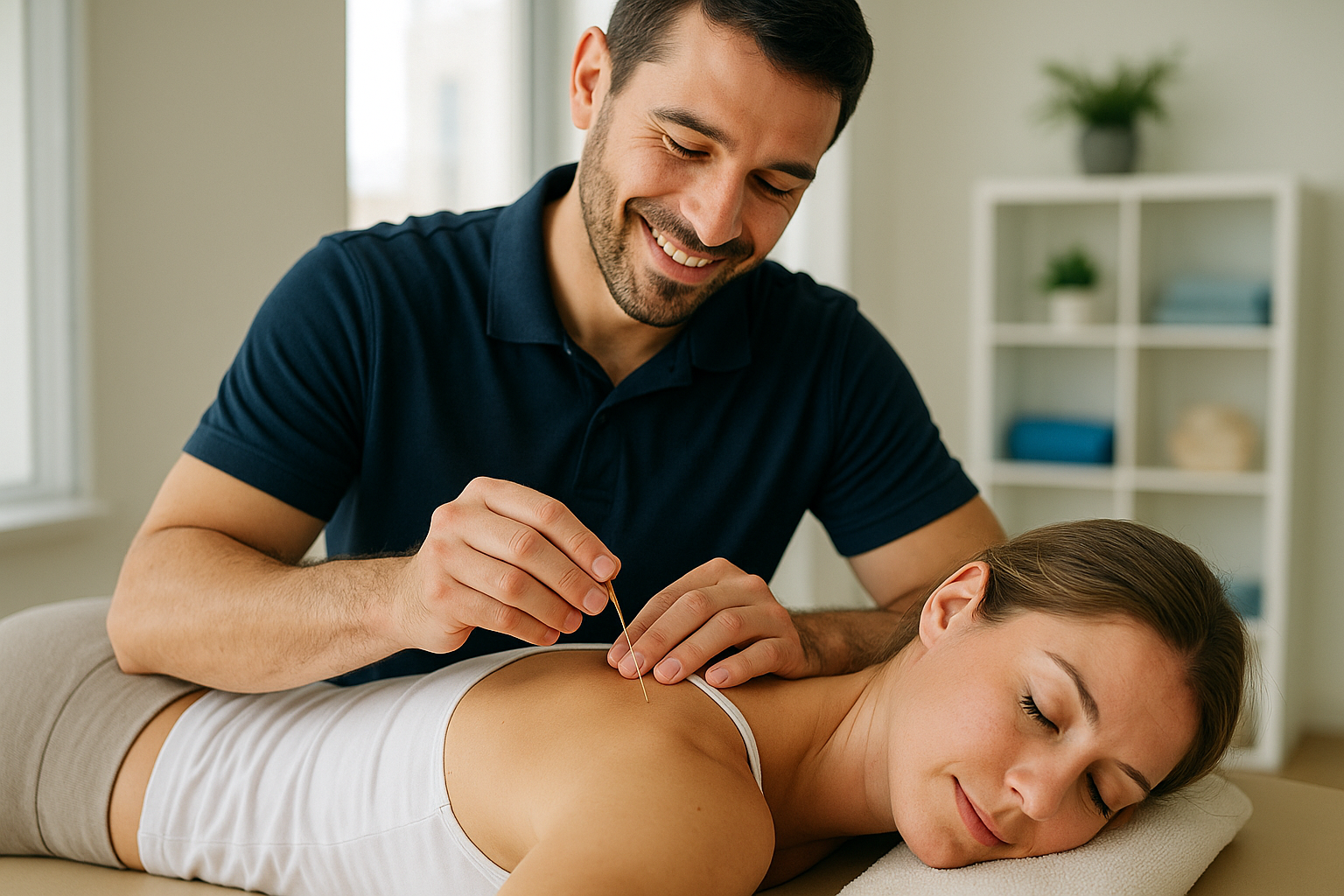
Dry Needling for Chronic Pain: Root-Cause Relief Explained
Discover how dry needling deactivates trigger points, restores mobility, and delivers lasting relief for chronic pain in back, neck, and sports injuries.
16 min read
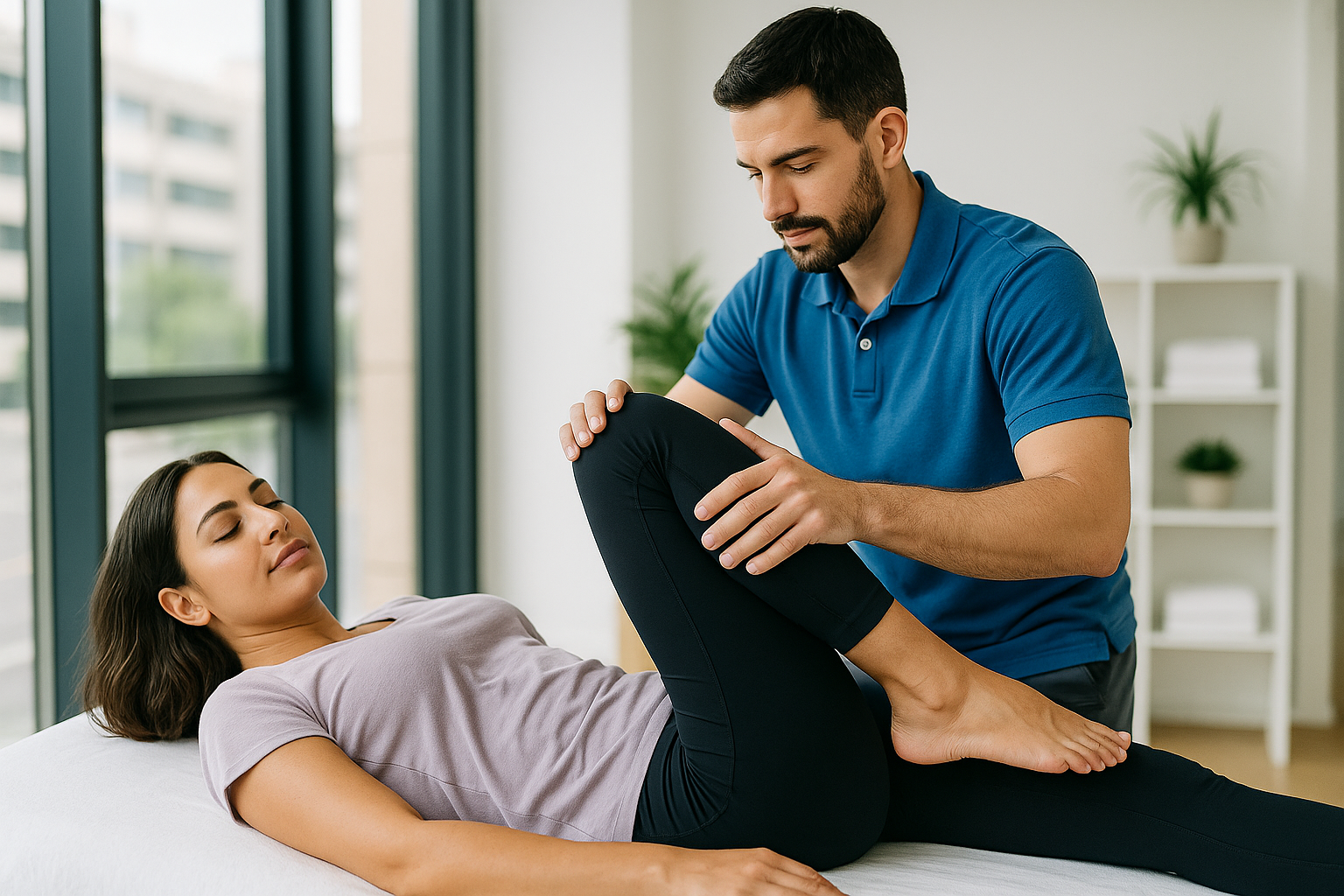
Fascia Stretching: Doctor-Led Pain Relief Guide in Dubai
Discover how evidence-based fascia stretching relieves chronic pain and boosts mobility. Learn doctor-led physiotherapy principles for root-cause relief in Dubai.
16 min read