

VR Vestibular Rehab: Fast Relief for Vertigo & Dizziness
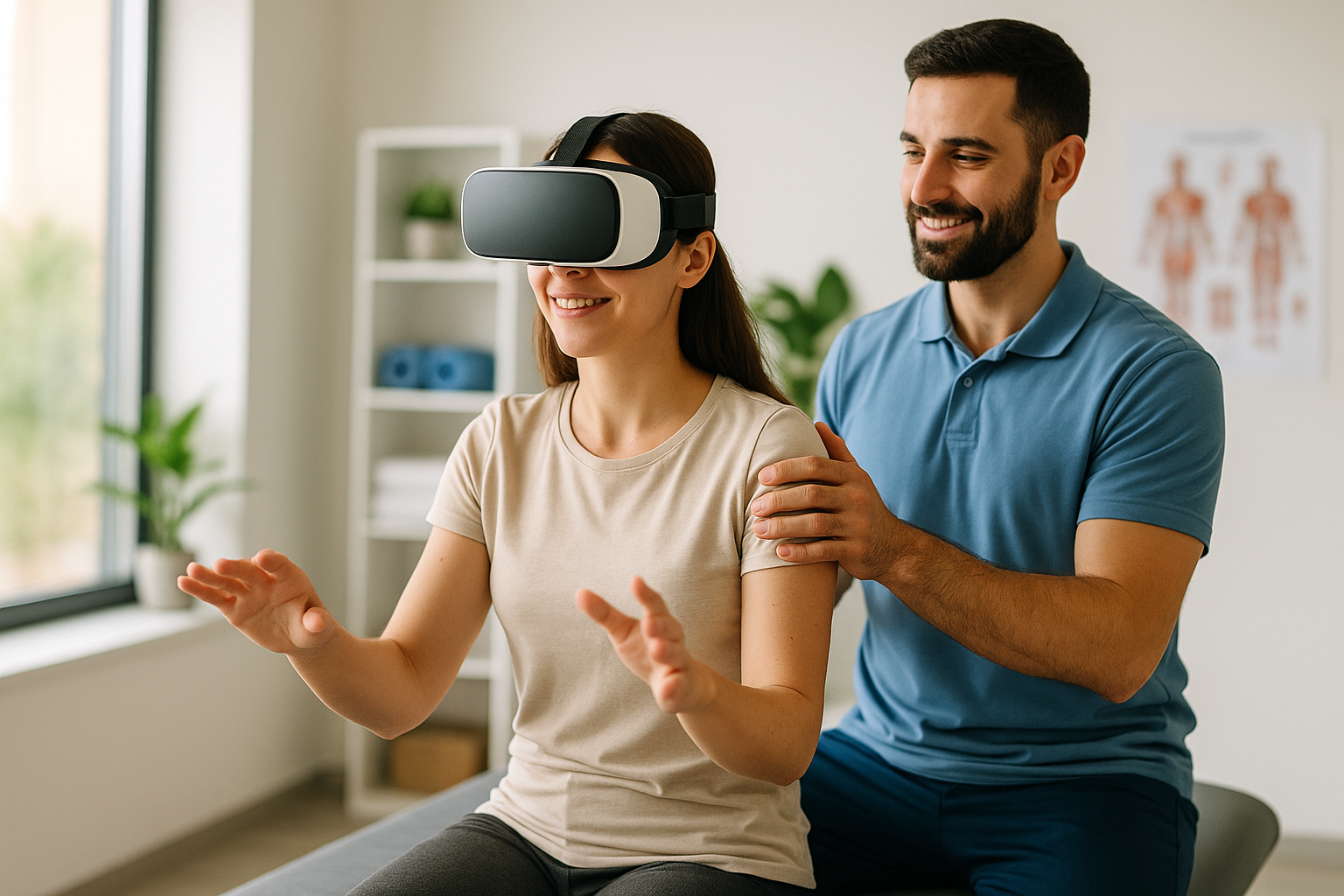
Living with vertigo, dizziness, or a persistent sense of imbalance can feel like navigating a world that’s constantly shifting beneath your feet. It’s a disorienting and often frightening experience that can shrink your world, making simple activities feel like monumental challenges. For years, vestibular rehabilitation therapy (VRT) has been the cornerstone of treatment, helping the brain adapt to conflicting sensory signals. Today, we stand at the precipice of a new era in healing, one that harnesses the power of immersive technology. The practice of using VR therapy for vestibular rehabilitation is transforming how we treat these complex conditions, offering a safe, engaging, and remarkably effective path back to stability and confidence.
Understanding the Balance System and the Vestibular Challenge
To appreciate the breakthrough of Virtual Reality in this field, it's essential to first understand the intricate system it aims to heal. Your sense of balance is not governed by a single organ but is a complex symphony conducted by your brain, integrating information from three primary sources: your eyes (visual system), your muscles and joints (somatosensory system), and, most critically, your inner ear (vestibular system). The vestibular system acts like a sophisticated gyroscope, detecting head movements, orientation, and gravitational forces. When this system is damaged by injury, illness, or age-related changes, it sends faulty signals to the brain. The brain receives conflicting information—your eyes say you're still, but your inner ear screams that you're spinning—resulting in the debilitating symptoms of vertigo, dizziness, nausea, and unsteady gait.
Traditional vestibular rehabilitation therapy is designed to retrain the brain to manage this sensory conflict. Through a series of specific exercises, it leverages a remarkable process called neuroplasticity—the brain's ability to reorganize itself by forming new neural connections. The core principles of VRT are:
- Habituation: Gradually and repeatedly exposing the brain to the specific movements or visual stimuli that provoke dizziness, thereby reducing the sensitivity of the response over time.
- Gaze Stabilization: Exercises to improve the control of eye movements so vision can remain clear during head motion.
- Balance Training: Exercises to improve steadiness and coordination, helping the body rely more on visual and somatosensory cues to compensate for the faulty vestibular signals.
While effective, traditional VRT can sometimes be monotonous, and it can be difficult to replicate the specific, complex environments that trigger a patient's symptoms in a safe, controlled clinic setting. This is precisely where virtual reality changes the game.
How VR Transforms Traditional Vestibular Rehab Exercises
Imagine being able to walk through a bustling supermarket, stand on a gently rocking boat, or look down from a high balcony—all without leaving the safety of the physiotherapy clinic. This is the power of using VR therapy. By putting on a lightweight headset, the patient is transported into a three-dimensional, computer-generated world. This immersive environment allows a skilled physiotherapist, like those at Physio Cure Dubai, to take complete control of the sensory inputs the patient experiences.
Instead of just turning your head from side to side, you might be tasked with tracking a virtual bird as it flies across a serene landscape. Instead of simply walking on a foam pad, you might navigate a cobblestone street in a virtual city. These scenarios are not just more engaging; they are clinically precise. The therapist can meticulously adjust variables like the speed of movement, the complexity of the visual background (known as optic flow), and the stability of the virtual surface. This creates a powerful tool for both diagnosis and treatment, allowing for a level of customization and progression that is impossible to achieve with conventional methods alone. The gamification of these tasks—turning repetitive vestibular rehab exercises into interactive challenges—significantly boosts patient motivation and adherence to the treatment plan.
VR creates a safe, digital 'playground' for the brain. It allows us to systematically challenge the vestibular system in ways that mimic real-world triggers, empowering the brain to relearn and recalibrate its sense of balance without the real-world risk of falling.
The Proven Benefits: A New Hope for Dizziness Treatment and Balance Training
The shift towards incorporating VR in vestibular therapy is not based on novelty; it's grounded in robust scientific evidence. A growing body of research highlights the efficacy of this modern approach. For instance, numerous studies have demonstrated that patients undergoing VR-enhanced VRT often experience faster and more significant improvements compared to conventional therapy alone. Key outcome measures like the Dizziness Handicap Inventory (DHI), which gauges the self-perceived impact of dizziness on a person's life, consistently show greater reductions in scores for VR groups.
This advanced form of dizziness treatment physiotherapy excels because it directly targets the neural mechanisms of recovery. The immersive and dynamic stimuli provided by VR are exceptionally effective at driving neuroplasticity. The brain is actively engaged in problem-solving within the virtual environment, forging stronger, more reliable pathways to interpret sensory information correctly. This leads to tangible benefits for patients:
- Improved Postural Stability: VR platforms integrated with balance boards provide real-time feedback, helping patients fine-tune their postural sway and improve their stability in a measurable way. This direct feedback accelerates the learning process for effective balance training for vertigo.
- Enhanced Gaze Stabilization: VR exercises can require precise head and eye coordination to interact with virtual objects, directly improving the vestibulo-ocular reflex (VOR), which is crucial for clear vision during movement.
- Greater Functional Carryover: By simulating real-life scenarios like crossing a street or navigating a crowded room, VR helps bridge the gap between clinical exercises and daily life. Patients build confidence in the clinic that translates directly to greater independence and participation in their communities.
- Increased Patient Engagement: Let's be honest: traditional vestibular exercises can be boring. The interactive and game-like nature of VR makes therapy more enjoyable, leading to better attendance and a greater commitment to completing the full course of treatment.
What to Expect During a VR-Enhanced Physiotherapy Session
Embarking on a journey with VR vestibular therapy is a collaborative and highly personalized process. At a premier, doctor-led clinic like Physio Cure Dubai, the process begins not with technology, but with a thorough, one-on-one assessment. A Doctor of Physical Therapy will conduct a comprehensive evaluation to get to the root cause of your symptoms, understanding your specific triggers, limitations, and goals.
Once a personalized treatment plan is established, VR is introduced as a key component. A typical session might involve you wearing a comfortable VR headset while standing or sitting in a secure area. Your therapist will be by your side, monitoring your progress and communicating with you throughout the experience. They will select specific virtual environments and tasks designed to challenge your vestibular system in a controlled and progressive manner. You might start in a simple, static environment and gradually move to more complex, dynamic scenes as your brain adapts and your symptoms improve. The technology allows the therapist to collect objective data on your performance, tracking improvements in balance, reaction time, and movement accuracy with a precision that the naked eye cannot match.
Patient Tip: Open communication is key during a VR session. Always let your therapist know how you are feeling. A slight increase in symptoms is often an expected part of the therapeutic process, but your feedback allows the therapist to adjust the intensity for optimal, safe, and effective treatment.
Is VR Vestibular Rehabilitation Right for You?
VR-enhanced vestibular rehabilitation is proving to be a highly effective treatment for a wide range of conditions that cause dizziness and imbalance. It is particularly beneficial for individuals dealing with:
- Peripheral Vestibular Conditions: Including Benign Paroxysmal Positional Vertigo (BPPV), vestibular neuritis, and labyrinthitis.
- Chronic Dizziness and Imbalance: For patients whose symptoms have persisted for months or even years.
- Post-Concussion Syndrome: Where visual and vestibular processing is often disrupted.
- Meniere's Disease: To help manage balance issues between acute attacks.
- Persistent Postural-Perceptual Dizziness (PPPD): A condition characterized by chronic dizziness and unsteadiness that is worsened by complex visual stimuli.
- Age-Related Decline in Balance: Helping older adults improve their stability and reduce their risk of falls, a key focus of geriatric physiotherapy.
The ideal candidate for this therapy is someone who is looking for a lasting solution, not a quick fix. It aligns perfectly with a clinical philosophy centered on root-cause diagnosis and active patient participation. It requires a commitment to a comprehensive recovery plan, guided by expert clinicians who use technology not as a gimmick, but as a powerful tool to facilitate the body's own incredible capacity for healing. If you are tired of your world spinning and are ready to take an active role in reclaiming your stability, then exploring VR vestibular therapy could be your most important step forward.
Ready to rediscover your balance and leave dizziness behind? Our doctor-led team at Physio Cure Dubai specializes in advanced treatments. Learn more about our approach to using VR therapy for vestibular rehabilitation and book your initial consultation today.
Frequently Asked Questions
Need Help With Your Recovery?
Book a free consultation with our expert physiotherapists.
Related Articles

Dizziness & Balance Issues: Causes and Relief Guide
Discover how inner ear, neurological, and cardiovascular factors trigger dizziness. Learn physiotherapy vestibular rehab strategies to regain balance today.
14 min read
VR Therapy Revolutionizes Vestibular Rehab & Balance
Explore how VR-driven vestibular rehab transforms dizziness recovery. Immersive balance training boosts adherence, speeds symptom relief, and restores confidence.
12 min read

Vertigo Relief: When to Seek Physiotherapy Treatment
Spinning rooms, imbalance or nausea? Discover when vertigo physiotherapy is crucial. Doctor-led vestibular rehab tackles root causes for lasting balance.
16 min read