

When Manual Therapy Beats Other Treatments for Pain Relief
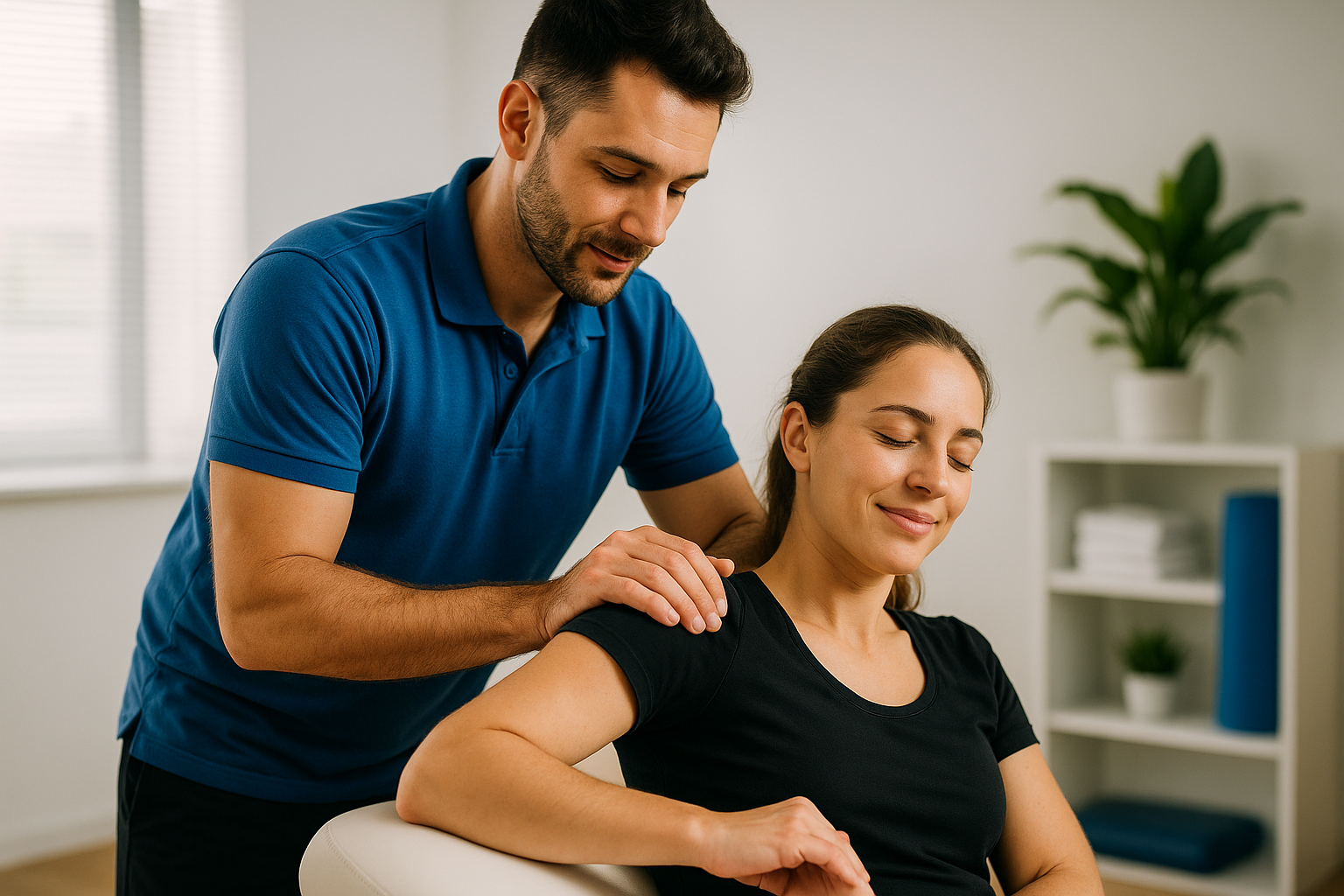
In the landscape of modern physiotherapy, patients are presented with a vast array of treatment options, from advanced technological modalities to exercise-based rehabilitation. Amidst these choices, hands-on techniques remain a cornerstone of effective care. The crucial question for many suffering from musculoskeletal pain is not just *what* treatments are available, but specifically, when to choose manual therapy over other treatments for the most optimal outcome. Understanding the specific scenarios where this skilled, tactile approach excels is the first step toward a more targeted, efficient, and lasting recovery. This guide provides a clinical, evidence-based perspective to help you make that informed decision.
Understanding Manual Therapy: A Doctor-Led, Hands-On Approach
Before we can determine when to use it, we must first clearly define what manual therapy is. At its core, manual therapy is a specialized form of physical therapy where clinicians use their hands to diagnose and treat musculoskeletal conditions. This is not a generalized massage; it is a clinical discipline involving highly specific, skilled techniques that include moving joints in specific directions and at different speeds (joint mobilization and manipulation) and applying precise pressure to the body's soft tissues (soft-tissue therapy).
At a premier clinic like Physio Cure Dubai, this philosophy is elevated. Here, all treatments are doctor-led, meaning a practitioner with a Doctor of Physical Therapy (DPT) degree performs the assessment and delivers the care. This ensures that the application of hands-on physiotherapy is grounded in a deep understanding of anatomy, pathology, and biomechanics. The goal is to identify and treat the root cause of your dysfunction—be it a stiff joint, a tight muscle, or a nerve impingement—rather than just alleviating the symptoms temporarily. This approach contrasts sharply with passive treatments or therapies administered by technicians, as it involves continuous assessment and adjustment based on the patient's real-time feedback and tissue response.
A correct diagnosis is the bedrock of effective treatment. Manual therapy, when performed by a doctor of physiotherapy, begins with a thorough hands-on assessment to identify the true source of your pain, ensuring the treatment plan is 100% personalized and targeted.
Critical Indicators: When to Prioritize Manual Therapy
While manual therapy can be a component of almost any rehabilitation plan, there are specific situations where it should be considered the primary or initial intervention.
1. When You Need Immediate Pain Relief and Mobility Gains
One of the most significant manual therapy benefits is its ability to produce rapid changes in pain and movement. If you're experiencing acute back pain, a stiff neck that limits your ability to turn your head, or a "locked" joint, manual therapy can provide immediate relief. Techniques like joint mobilization work to decrease pressure, reduce muscle spasms, and modulate the nervous system's pain signals. This makes it an invaluable tool for breaking the pain-spasm cycle and restoring functional movement quickly, which is often a prerequisite for starting a successful exercise program.
2. When Conservative Care is the Goal to Avoid Invasive Procedures
Before considering options like injections or surgery, manual therapy serves as a powerful, effective, and non-invasive first line of defense. Research has shown its efficacy to be comparable to surgery for certain conditions. For instance, a study on carpal tunnel syndrome found that manual therapy provided similar improvements in function and symptoms as surgery, with even better short-term results in pinch-grip strength. For conditions like chronic low back pain or certain types of shoulder impingement, a course of skilled manual therapy can often resolve the underlying mechanical issue, eliminating the need for more aggressive and costly interventions.
3. For Complex Musculoskeletal Conditions with a Clear Mechanical Component
Many conditions have a distinct biomechanical fault at their core. Manual therapy is uniquely suited to address these physical restrictions. Consider the following examples:
- Back and Neck Pain: Often caused by stiffness in a specific spinal segment (facet joint dysfunction). Manual therapy can precisely target and mobilize that single segment to restore normal movement.
- Headaches: Many cervicogenic headaches originate from stiffness and tension in the upper neck joints and muscles. Hands-on techniques can directly address this source.
- Sports Injuries: An athlete with a sprained ankle may develop stiffness in the talocrural joint. Manual therapy can restore the specific "glide" needed for proper ankle function, accelerating their return to sport. Our dedicated sports injury rehabilitation programs heavily integrate these techniques.
- Postural Dysfunctions: Prolonged sitting can lead to stiffness in the thoracic spine. Mobilizing this area can instantly improve posture and reduce strain on the neck and lower back. Dr. Shaimaa Hamdalla often utilizes these techniques for postural issues.
4. When a Truly Personalized Treatment Plan is Non-Negotiable
The tactile nature of manual therapy is its greatest strength. A skilled therapist uses their hands as both an assessment and a treatment tool. They can feel for subtle differences in tissue texture, muscle tension, and joint mobility that cannot be detected by a machine or observed visually. This allows for a treatment that is 100% customized to your unique anatomy and condition. The therapist can adjust the angle, pressure, and duration of each technique in real-time based on your body's response, ensuring a level of personalization that generic exercise protocols or passive modalities cannot match.
A Closer Look at Manual Therapy Techniques and Their Applications
The term "manual therapy" encompasses a range of specific techniques. Understanding when to choose manual therapy over other treatments techniques often depends on the specific diagnosis. Here are a few core examples:
- Soft Tissue Mobilization: This involves applying specific pressure and strokes to muscles, ligaments, and fascia. It's chosen to break down scar tissue, release muscle tension, and improve circulation to promote healing.
- Joint Mobilization: This technique involves passive, gentle, rhythmic movements of a joint within its normal range of motion. It is chosen for pain relief (by stimulating mechanoreceptors) and to improve mobility in stiff, hypomobile joints.
- Joint Manipulation/Thrust: A high-velocity, low-amplitude thrust is applied to a joint at the end of its range of motion. This is chosen to break up adhesions within a joint and provide a powerful neurophysiological effect that can instantly reset muscle tone and reduce pain.
- Myofascial Release: This involves applying sustained, gentle pressure to the myofascial connective tissue to eliminate pain and restore motion. It’s ideal for treating chronic pain patterns and postural dysfunctions.
At Physio Cure, these core techniques are often integrated with other advanced modalities like Dry Needling or Cupping Therapy to enhance the overall effect and provide a comprehensive treatment for issues like persistent back pain.
The Synergy of Treatment: Why Manual Therapy Is a Team Player
It is crucial to understand that manual therapy is rarely a standalone solution for long-term health. Its primary role is often to act as a powerful catalyst for recovery. It creates a "window of opportunity" by reducing pain and restoring mobility, which then allows the patient to perform therapeutic exercises correctly and without compensation.
Think of manual therapy as the key that unlocks a stiff door. Guided exercise is what teaches you how to walk through that door, building the strength and stability to keep it open for good. One without the other is an incomplete solution.
Research consistently shows that combining manual therapy with a targeted exercise program yields superior long-term outcomes compared to either approach alone. This aligns perfectly with the comprehensive patient journey at Physio Cure, which moves from hands-on therapy to guided exercise and, finally, to patient education for injury prevention. This model ensures that the immediate gains from joint and soft-tissue therapy are reinforced with strength and stability, empowering the patient to maintain their results and prevent recurrence. For more information on this approach, authoritative external resources also emphasize this combined-treatment model.
Making an Informed Decision: Is Manual Therapy Your Next Step?
So, when should you actively seek out manual therapy? Choose manual therapy as your primary approach when:
- You are experiencing acute pain with significant movement restriction.
- Your condition has a clear mechanical component, such as joint stiffness or muscle adhesion.
- You want to explore effective, conservative options before considering surgery or injections.
- You have a chronic or unresolved condition that has not responded to generic exercise or passive treatments.
- You value a highly personalized, one-on-one treatment plan based on a root-cause diagnosis.
However, it may not be the best fit if you are seeking a purely passive, "quick fix." The philosophy behind effective manual therapy requires active patient participation and a commitment to a comprehensive recovery plan that includes exercise and education. The ultimate decision should always be made after a comprehensive assessment by a qualified professional, such as the doctors of physiotherapy at Physio Cure Dubai, who can determine the precise blend of treatments your body needs to heal and thrive.
Ready to experience the benefits of a personalized, hands-on approach? Contact Physio Cure Dubai today to schedule your assessment and discover how expert manual therapy can unlock your path to recovery.
Frequently Asked Questions
Need Help With Your Recovery?
Book a free consultation with our expert physiotherapists.
Related Articles

Essential Diet Tips for Fibromyalgia Pain Relief Guide
Discover anti-inflammatory foods, trigger pitfalls, and holistic strategies to ease fibromyalgia pain, fatigue, and brain fog. Start eating for relief today.
11 min read

Massage Therapy for Fibromyalgia: Relief & Calm Explained
Discover how specialized massage therapy interrupts pain signals, eases tension, and improves sleep for fibromyalgia relief within a doctor-led holistic plan.
13 min read

Low-Impact Exercises Guide for Fibromyalgia Relief
Discover gentle, doctor-led low-impact workouts that ease fibromyalgia pain, boost energy, and fight flare-ups. Learn guidelines, tips, and personalized care.
14 min read