

Assistive Devices in Neurological Rehab: Regain Independence
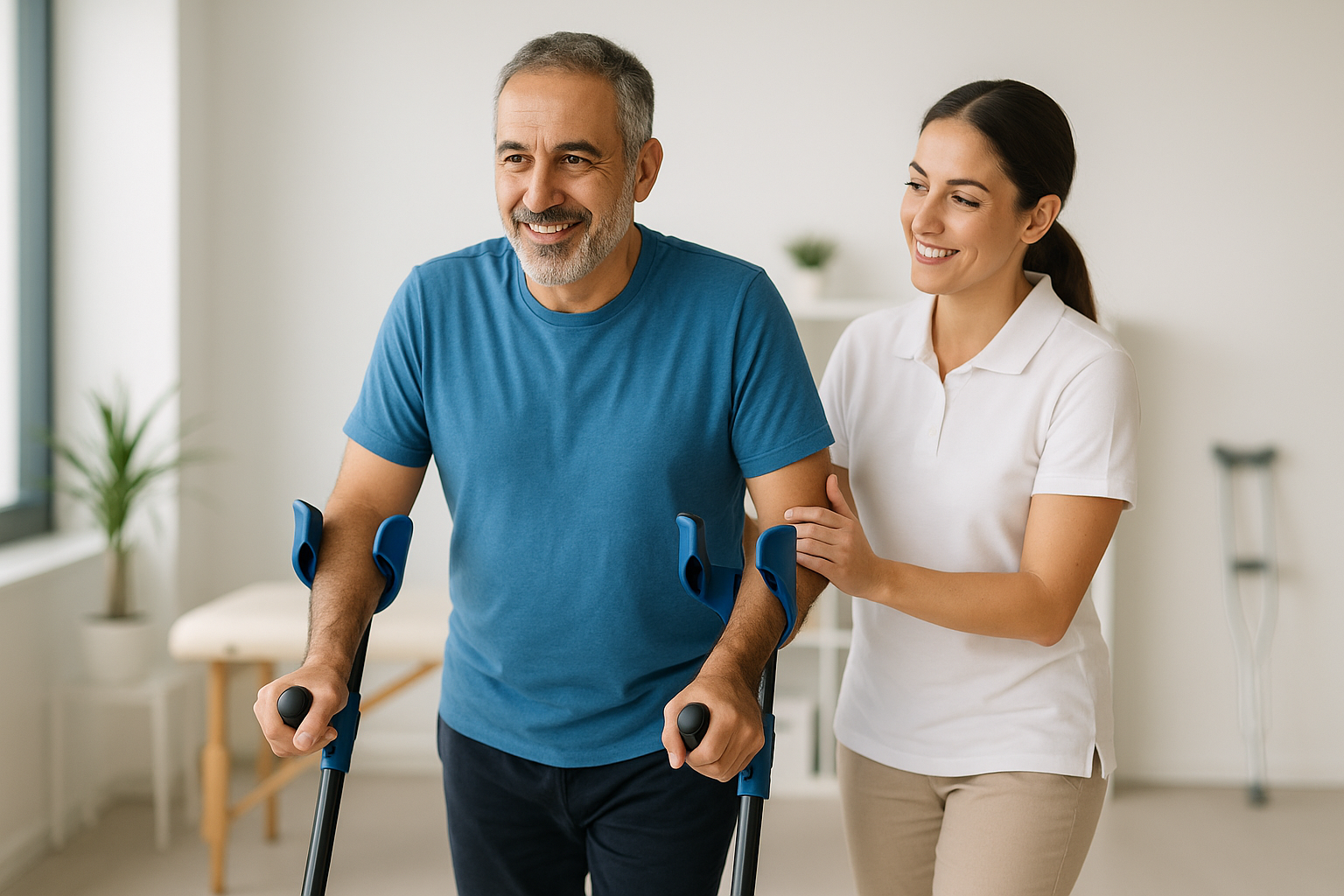
Living with a neurological condition like stroke, Multiple Sclerosis (MS), Parkinson's disease, or recovering from a spinal cord injury presents a unique set of daily challenges. The journey to recovery can feel overwhelming, but it's a path you don't have to walk alone. A crucial and empowering part of this journey involves leveraging specialized tools designed to bridge the gap between your current abilities and your goals for independence. At Physio Cure Dubai, we believe that comprehensive care, including the use of assistive devices in neurological rehab, is a cornerstone of modern neurological physiotherapy, providing the support you need to reclaim control, confidence, and quality of life.
Understanding the Role of Assistive Devices in Neurological Rehab Physiotherapy
First, it's essential to reframe the purpose of an assistive device. It is not a sign of weakness or a step backward; rather, it is a sophisticated tool of empowerment. Think of it as a personalized support system that enables you to perform tasks more safely, efficiently, and with less fatigue. In the context of neurological rehabilitation, these devices serve a dual purpose. They provide immediate support for daily activities, and they function as active tools within your therapy program to help retrain muscles, improve balance, and restore functional movement patterns.
At Physio Cure Dubai, our "Doctor-Led" philosophy ensures that the recommendation for any assistive device comes after a thorough assessment and root-cause diagnosis. Led by experts like our Medical Director, Dr. Mina Gamil, who specializes in complex neurological rehabilitation, we don't just look at the symptom; we analyze the underlying biomechanical or neurological deficit. This allows us to select a device that doesn't just compensate for a weakness but actively contributes to your recovery. The goal is to find the perfect match that supports your body while encouraging it to heal and adapt, paving the way for lasting relief and improved function.
A Comprehensive Guide to Common Assistive Devices for Mobility and Daily Living
The world of assistive devices is vast and can be tailored to almost any need. The key is understanding which device is appropriate for your specific condition and goals. Here is a breakdown of common categories and devices you might encounter in your rehabilitation journey:
- Mobility Aids: These are often the first devices people think of and are fundamental for safe movement.
- Canes: Ranging from a standard single-point cane for minor balance support to a quad cane with four feet for greater stability. They are ideal for individuals who need to offload a small amount of weight from one leg or require a tactile cue for balance.
- Crutches: Axillary (underarm) or forearm (Lofstrand) crutches provide more support than canes and are used when significant weight-bearing on one or both legs is restricted.
- Walkers and Rollators: A standard walker offers a stable base of support for those with significant balance or strength deficits. A rollator (a walker with wheels, a seat, and brakes) enhances mobility over longer distances for those with better baseline stability but poor endurance.
- Wheelchairs: For individuals with significant mobility impairments, a properly fitted manual or power wheelchair is essential for independence and community participation.
- Ankle-Foot Orthoses (AFOs): These braces are crucial for managing conditions like "foot drop" common after a stroke, helping to lift the foot during walking to prevent tripping and promote a more natural gait pattern.
- Aids for Daily Living (ADLs): These clever tools help with personal care and household tasks.
- Reachers/Grabbers: Extend your reach to pick up objects from the floor or high shelves without bending or stretching, preserving energy and preventing falls.
- Dressing Aids: Tools like sock aids, long-handled shoehorns, and button hooks can make the daily task of getting dressed significantly easier for those with limited mobility or dexterity.
- Adaptive Utensils: Spoons, forks, and knives with built-up, weighted, or angled handles can help individuals with tremors, weakness, or limited grip strength to eat independently.
- Bathroom and Home Safety Equipment: The bathroom is a high-risk area for falls. These devices are non-negotiable for safety.
- Grab Bars: Professionally installed in showers, by the toilet, and along hallways, these provide stable support points.
- Shower Chairs and Transfer Benches: Allow for safe, seated bathing, which is critical for those with poor balance, weakness, or fatigue.
- Raised Toilet Seats: Reduce the distance and effort required to sit down and stand up from the toilet.
Expert Tip: The most expensive or complex device isn't always the best. The right assistive device is one that fits your body, your home environment, and your personal goals. Always seek a professional fitting and recommendation to ensure safety and effectiveness.
Integrating Assistive Devices with Neurological Rehab Exercises
A common misconception is that using a device means you stop working on recovery. The opposite is true. At Physio Cure, we view assistive devices as integral tools for your therapy exercises. They provide the necessary support to allow you to perform repetitions and movements that would otherwise be impossible or unsafe, which is vital for neuroplasticity—the brain's ability to rewire itself.
This integration is a core part of the "Hands-On Therapy & Guided Exercise" stage of our patient journey. For instance, a patient recovering from a stroke might use a walker not just for getting around, but as a stable base to practice weight-shifting exercises and single-leg stances. Someone with Parkinson's might use floor markers or a laser cane to practice overcoming gait freezing, actively retraining their brain to initiate steps. According to a comprehensive review on rehabilitation technologies, combining therapeutic exercise with the right technology can significantly enhance motor learning and functional outcomes. Your physiotherapist will design a program where the device facilitates the exercise, gradually reducing reliance on it as your own strength, balance, and control improve.
Advanced Technologies and Modern Assistive Devices
Beyond the traditional aids, the field of neurological rehabilitation is constantly evolving with cutting-edge technology. Our commitment to innovation means we integrate modern modalities to enhance treatment. While simple devices are often the most effective, advanced options can play a crucial role for specific conditions:
- Functional Electrical Stimulation (FES): Small devices that apply mild electrical impulses to weakened muscles. For example, an FES unit can stimulate the muscles that lift the foot, providing an active solution to foot drop during walking.
- Spinal Decompression Technology: For neurological symptoms stemming from spinal issues, advanced technology like the decompression machines used at our clinic can provide targeted, non-invasive relief that supports broader rehabilitation goals.
- Smart Home Devices: Voice-activated assistants (like Amazon Alexa or Google Home) can control lights, thermostats, and entertainment systems, offering a massive boost in independence for individuals with severe mobility limitations.
- Wearable Sensors: These devices can track movement patterns, count steps, and even detect falls, providing valuable data to your therapist to monitor progress and adjust your treatment plan remotely.
Our core value of Innovation drives us to embrace cutting-edge technology. We believe in combining the proven effectiveness of hands-on therapy with innovative techniques to give our patients the best possible path to recovery.
Essential Assistive Devices in Neurological Rehab Tips for Success
Choosing and adapting to a new device is a process. To make it successful, it's crucial to follow a structured approach. Here are some essential tips grounded in our clinic's philosophy:
- Start with a Professional, Doctor-Led Assessment: This is non-negotiable. Self-prescribing a device from a pharmacy or online can be dangerous. A Doctor of Physical Therapy will assess your strength, range of motion, balance, cognitive function, and home environment to recommend the safest and most effective option. This is particularly important in specialized fields like pediatric physiotherapy, where an expert like Dr. Talaat Abdelhakeem can ensure a device supports a child's development, or in women's health, where Dr. Shaimaa Hamdalla can address postpartum neurological challenges with targeted solutions.
- Embrace 100% Personalized Care: Your device and how you use it must be customized to you. The height of a walker, the grip on a cane, and the settings on an FES unit are not one-size-fits-all. Your physiotherapist will ensure your device is perfectly fitted and will teach you the correct way to use it to maximize benefit and prevent compensatory movements that could cause other issues down the line.
- Be Patient and Practice Consistently: There is a learning curve to using any new tool. It may feel awkward at first. Dedicate time each day to practicing with your device in a safe environment. Consistent use as prescribed by your therapist is key to integrating it seamlessly into your daily life and making it feel like a natural extension of yourself.
- Allow for Adjustments and Follow-ups: Your needs will change as you progress in your rehabilitation. A device that was perfect initially may need to be adjusted or even replaced with a less supportive one as your strength and balance improve. Regular follow-up appointments with your physiotherapist are essential to reassess your needs and ensure your equipment continues to serve you effectively.
The path of neurological recovery is a marathon, not a sprint. Assistive devices are the essential gear that can make that marathon manageable, safer, and ultimately more successful. They are tools of enablement, designed to empower you to live your healthiest, most independent life. By working closely with a dedicated clinical team, you can find the right supports to help you achieve your goals and return to the activities you love.
Ready to explore how a personalized physiotherapy plan can enhance your independence? Book your free consultation at Physio Cure Dubai and let our doctor-led team guide you on your journey to recovery.
Frequently Asked Questions
Need Help With Your Recovery?
Book a free consultation with our expert physiotherapists.
Related Articles
Dizziness & Balance Issues: Causes and Relief Guide
Discover how inner ear, neurological, and cardiovascular factors trigger dizziness. Learn physiotherapy vestibular rehab strategies to regain balance today.
14 min read
VR Therapy Revolutionizes Vestibular Rehab & Balance
Explore how VR-driven vestibular rehab transforms dizziness recovery. Immersive balance training boosts adherence, speeds symptom relief, and restores confidence.
12 min read
VR Vestibular Rehab: Fast Relief for Vertigo & Dizziness
Conquer vertigo, dizziness and balance issues with cutting-edge VR vestibular rehabilitation led by doctors of physiotherapy in Dubai. Book your session today.
13 min read