
Senior Joint Replacement Recovery: Doctor-Led Physiotherapy
Making the decision to undergo joint replacement surgery is a significant step towards reclaiming a life free from chronic pain and limited mobility. It’s a testament to your strength and your desire to live life to the fullest. As you embark on this journey, it's natural to have questions and concerns about the path ahead. This comprehensive guide is designed to offer reassurance and clarity, providing a roadmap for a successful and empowering recovery. At Physio Cure Dubai, we believe that a well-supported recovery is a faster, more effective one. Our specialized approach to joint replacement recovery for seniors is built on compassionate, doctor-led care, ensuring you have expert guidance every step of the way.
Understanding the Joint Replacement Recovery for Seniors Timeline
Recovery is not a sprint; it's a marathon composed of several smaller, achievable milestones. While every individual's journey is unique, understanding the general timeline can help set realistic expectations and celebrate progress along the way. Your commitment, combined with professional guidance, will dictate the pace of your recovery.
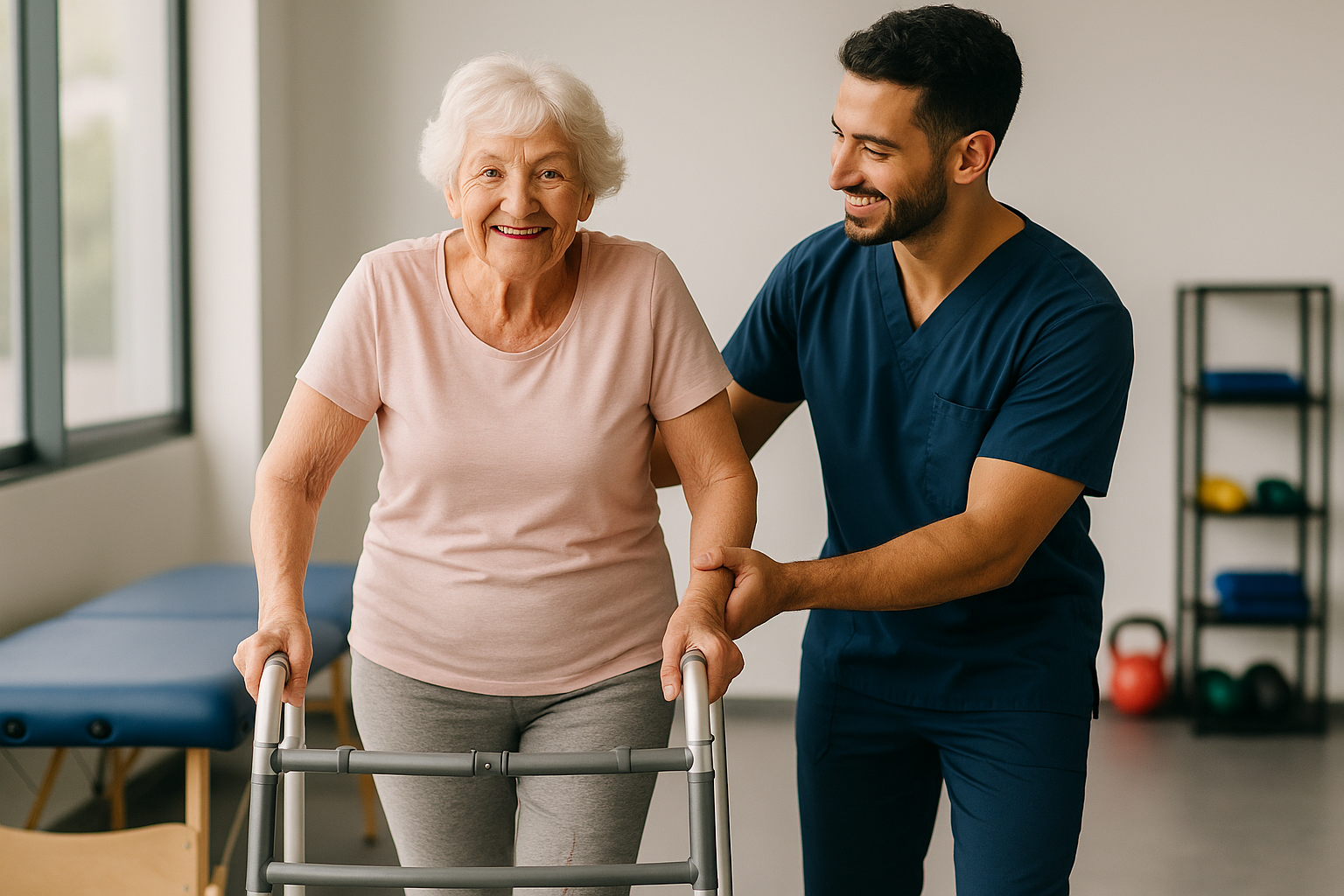
The First 24-48 Hours: This initial phase begins in the hospital. The focus is on pain management, preventing complications like blood clots, and initiating movement. A physiotherapist will likely guide you through your first steps with a walker, perform gentle ankle pumps, and teach you how to safely get in and out of bed. Early mobility is crucial for jump-starting the healing process.
Weeks 1-4: The Foundation Phase: Once you return home, the focus shifts to healing the incision and beginning a structured physiotherapy regimen. You'll still rely on a walker or crutches for support. Pain and swelling are normal during this time and can be managed with medication, ice, and elevation. The goal of physiotherapy is to gently improve your joint's range of motion and activate the surrounding muscles without straining the new joint.
Weeks 5-12: Building Momentum: During this period, you'll likely notice significant improvements. You may transition from a walker to a cane, and eventually, walk unassisted. Your physiotherapy sessions will become more challenging, incorporating exercises to build strength, endurance, and balance. Many people can resume driving and return to light daily activities, like shopping or social outings, during this time. For a deeper look into recovery benchmarks, many find resources like this article on knee replacement recovery time for the elderly to be very helpful.
3-6 Months and Beyond: Reclaiming Your Life: This is where your hard work truly pays off. Pain should be significantly reduced, and your mobility greatly enhanced. You can begin reintroducing low-impact recreational activities like swimming, cycling, or golfing. Your physiotherapist will help create a long-term maintenance program to ensure the health and longevity of your new joint, empowering you to stay active for years to come.
The Heart of Healing: Why Doctor-Led, Post-Surgery Physiotherapy is Non-Negotiable
Physiotherapy is the single most important component of your recovery. It's not just a series of exercises; it's a scientifically designed program tailored to your specific needs. At Physio Cure Dubai, we stand by a doctor-led treatment philosophy. This means your entire recovery, from the initial assessment to the final session, is overseen and performed by a licensed Doctor of Physical Therapy, not a technician. This commitment to excellence ensures the highest standard of care.
Our core principle is 100% Personalized Care. A generic exercise sheet cannot account for your unique medical history, lifestyle, or personal goals. Your recovery plan is custom-built from day one, focusing on root-cause diagnosis to ensure lasting relief and optimal function, not just temporary symptom management.
Our senior practitioners, such as Dr. Mina Gamil, who specializes in complex musculoskeletal disorders, and Dr. Talaat Abdelhakeem, renowned for his compassionate and effective approach, bring a wealth of expertise to your care. They utilize a combination of hands-on manual therapy—the cornerstone of our treatment—and advanced modalities like dry needling or cupping when necessary to accelerate healing. We don't just treat the new joint; we treat you as a whole person, ensuring your entire body is aligned and strengthened for a balanced recovery.
Creating Your Sanctuary: Crafting a Safe Recovery Plan at Home
Your home should be a haven for healing, not a place filled with hazards. Preparing your living space before your surgery is a proactive step that will make your return home smoother, safer, and less stressful. A well-designed, safe recovery plan at home minimizes the risk of falls—a significant concern post-surgery—and promotes independence.
Here are some essential preparations to consider:
- Clear the Pathways: Remove throw rugs, electrical cords, and any clutter from floors to create wide, clear paths for walking with a walker or crutches.
- Bathroom Safety: Install a raised toilet seat, a shower chair or bench, and non-slip mats in the tub or shower. Grab bars can provide crucial support.
- Create a "Recovery Station": Set up a comfortable chair with firm cushions that's easy to get out of. Keep everything you need—phone, medications, TV remote, water, books—within arm's reach.
- Light Up Your World: Ensure all areas of your home, especially the path from your bedroom to the bathroom, are well-lit. Use nightlights for safe navigation after dark.
- Meal Prep and Assistance: Arrange for help with meals for the first couple of weeks. Cook and freeze meals ahead of time, or organize a schedule with family and friends.
Rebuilding with Purpose: Your Phased Strength & Mobility Program
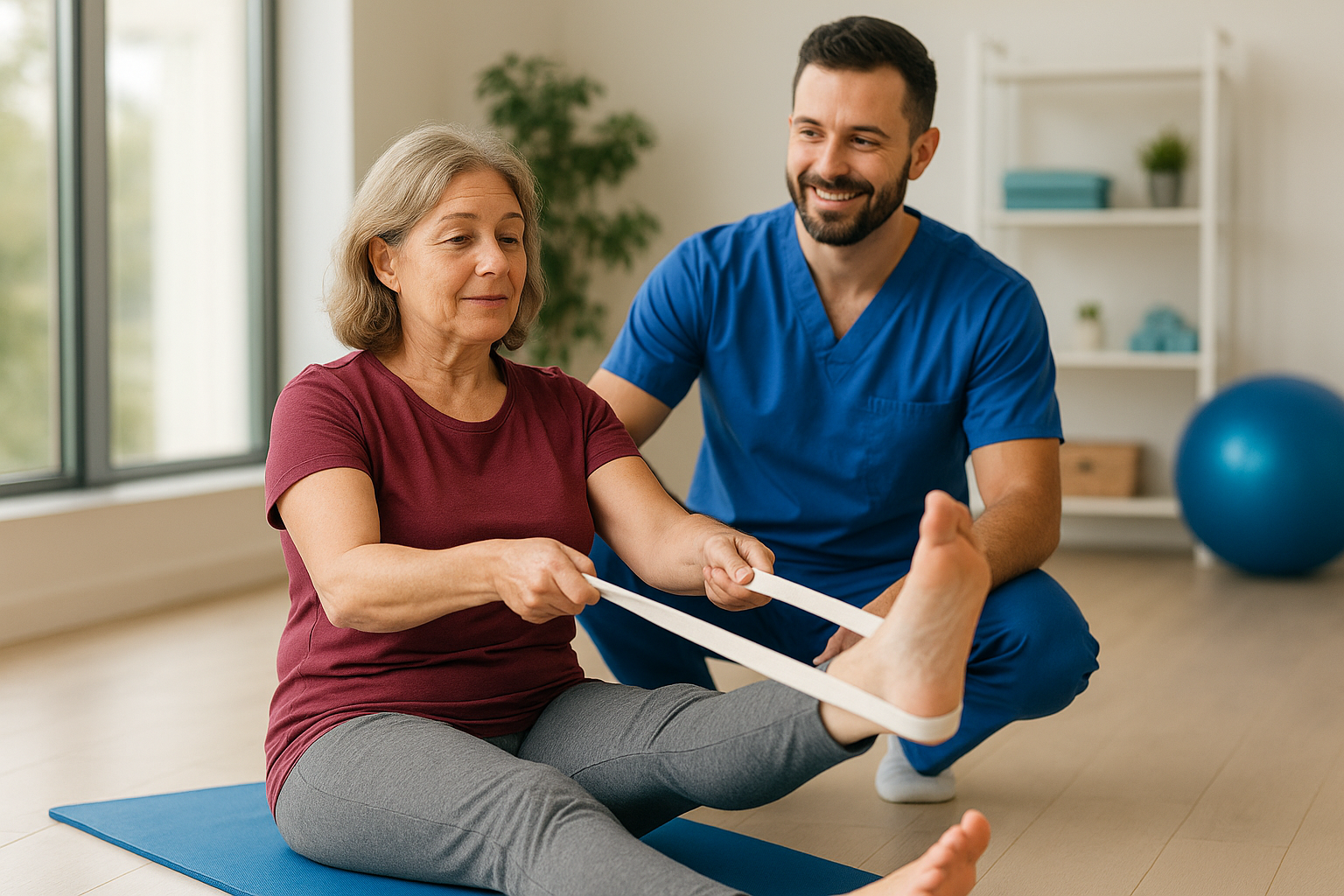
Your post-surgery physiotherapy exercises are the building blocks of your recovery. A structured strength & mobility program will progress in phases, carefully designed to protect your new joint while systematically rebuilding its function. This disciplined approach is similar to what's used in sports injury rehabilitation, focusing on methodical, goal-oriented progression.
Your personalized program will follow a logical path:
- Phase 1: Gentle Activation & Range of Motion (Weeks 1-4): The initial focus is on simple, non-weight-bearing exercises. This includes ankle pumps to promote circulation, heel slides to improve bending, and quadriceps sets to "wake up" the thigh muscles that support the joint.
- Phase 2: Progressive Strengthening (Weeks 5-8): As you heal, your doctor of physiotherapy will introduce exercises with light resistance. This may involve straight leg raises, mini-squats while holding onto a stable surface, and stationary cycling with no resistance to improve endurance and mobility.
- Phase 3: Functional Movement & Balance (Weeks 9-12): The program now shifts to mimicking real-world movements. You'll work on balance exercises, practice climbing stairs correctly, and perform exercises that improve your walking gait, ensuring you move with confidence and efficiency.
- Phase 4: Advanced Conditioning & Return to Activity (3+ Months): In this final phase, the goal is to prepare you for a full return to your desired lifestyle. Your program will be tailored to your specific hobbies, whether it's gardening, dancing, or playing golf.
Nurturing the Whole You: Holistic Support for a Complete Recovery
True recovery goes beyond the physical joint. At Physio Cure Dubai, our holistic and evidence-based approach recognizes that your emotional well-being and overall health are integral to a successful outcome. This aligns with our core value of Compassion—we see you, not just your condition.
Be patient and kind to yourself. It's normal to have good days and challenging days. Recovery is a mental and emotional journey as much as a physical one. Celebrate small victories and trust the process.
Nutrition for Healing: Your body needs fuel to repair itself. Focus on a diet rich in protein to rebuild muscle, calcium and Vitamin D for bone health, and anti-inflammatory foods like leafy greens, berries, and fish to help manage swelling.
The Power of the Core: A strong core is the foundation of all movement. As you recover, incorporating gentle core-strengthening exercises can improve your stability, protect your new joint, and even help prevent compensatory issues like lower back pain treatment in the future.
Emotional Well-being: It is common to feel frustrated or emotionally drained at times during recovery. Stay connected with loved ones, engage in hobbies that you can do while seated, and practice mindfulness or gentle breathing exercises. For more tips on overall wellness, our clinic's blog is a great resource.
Your Support System: Lean on your family and friends. Their help with daily tasks and their emotional encouragement are invaluable. Don't be afraid to ask for what you need.
Your journey to a more active, pain-free life is within reach. Let the expert, compassionate team at Physio Cure Dubai guide you. Contact us today to begin your personalized joint replacement recovery for seniors and take the first step towards renewed mobility.
Frequently Asked Questions
Need Help With Your Recovery?
Book a free consultation with our expert physiotherapists.
Related Articles
Strength Training: A Game Changer in Orthopedic Rehab
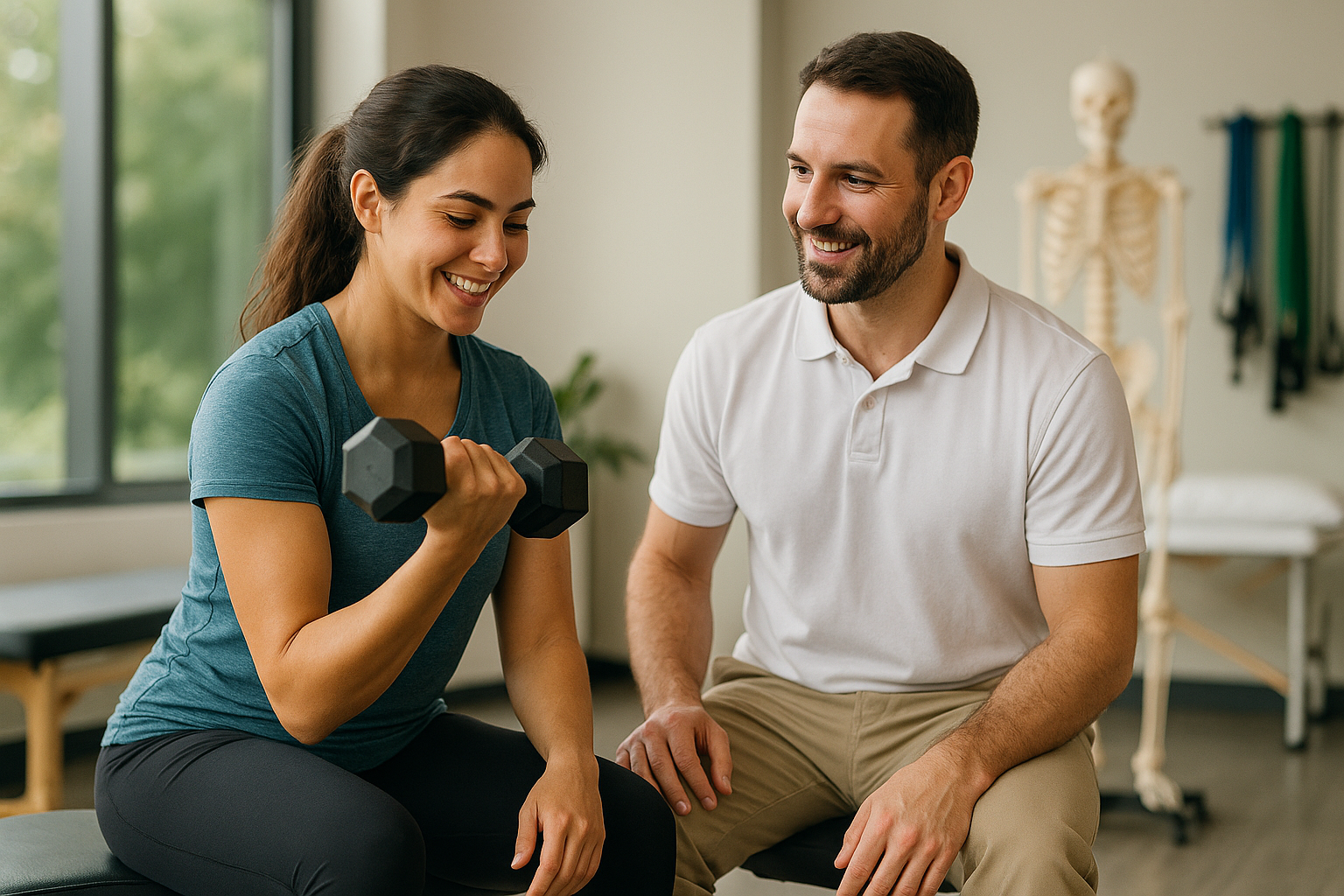
Personalized strength training speeds orthopedic recovery after injury or surgery. Doctor-led rehab rebuilds muscle, stabilizes joints, and prevents re-injury.
16 min read
Doctor-Led Hip Replacement Recovery Exercises Roadmap
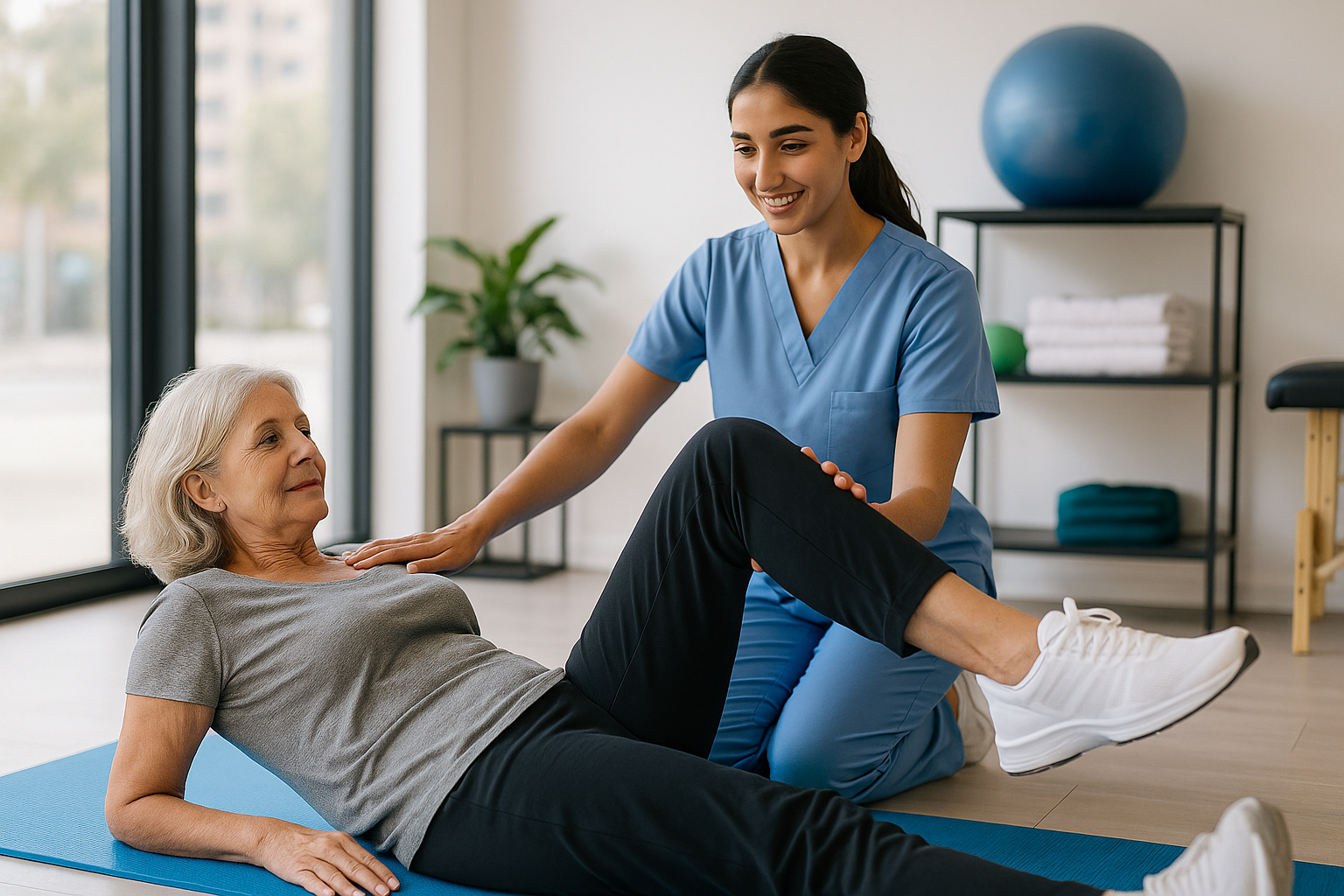
Discover the doctor-led roadmap for hip replacement recovery exercises. Learn safe, progressive moves, key precautions, and tips for lasting joint mobility.
14 min read
Hip Replacement Recovery Exercises: Your Complete Roadmap
Master each phase of hip replacement rehab with doctor-led physiotherapy. Discover evidence-based exercises that restore strength, mobility, and independence.
13 min read