

Doctor-Led Post Fracture Rehab Exercises for Full Recovery
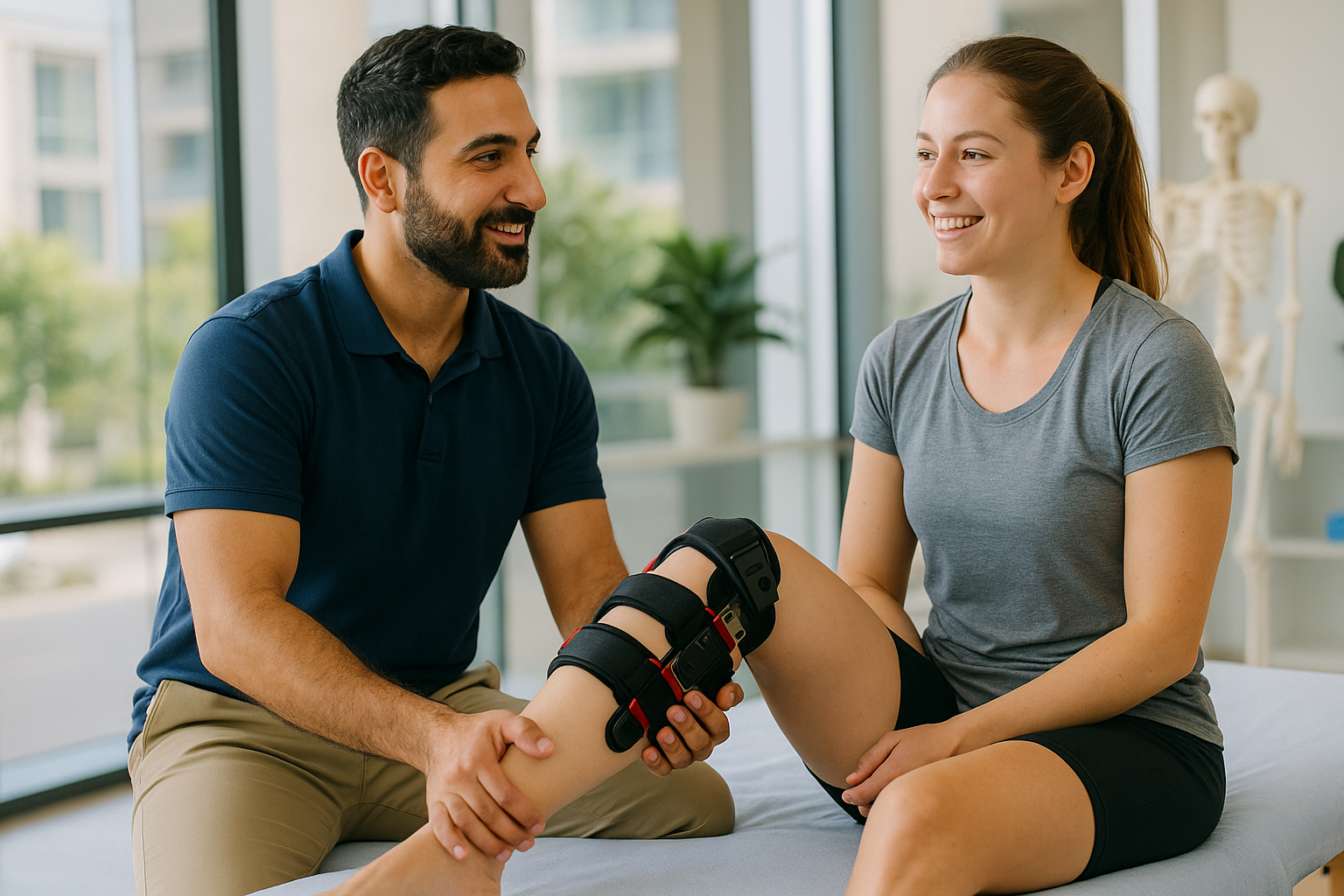
The moment a cast is removed is often met with a mix of relief and surprise. While the bone may have healed, the journey to full recovery is just beginning. The stiffness, weakness, and uncertainty that follow immobilization are normal, but overcoming them requires a strategic plan. This is where a structured program of post fracture rehabilitation exercises becomes the most critical component of your recovery. Without expert guidance, you risk incomplete healing, chronic pain, and long-term functional limitations. At Physio Cure Dubai, we believe a comprehensive orthopedic physiotherapy plan is the key to not just mending a bone, but restoring your strength, mobility, and confidence to return to the life you love.
Why a Structured Fracture Rehab Program is Non-Negotiable
After weeks of being immobilized, the muscles, joints, and nerves surrounding the fracture site have significantly changed. Muscles have weakened and shortened (a condition known as atrophy), joints have become stiff from lack of movement, and your body's sense of its position in space (proprioception) has been dulled. Simply "waiting and seeing" or relying on generic exercise sheets is a recipe for a poor outcome. An unstructured approach can lead to persistent swelling, joint instability, chronic pain, and a much higher risk of re-injury.
At Physio Cure Dubai, our core philosophy is built on root-cause diagnosis. A successful fracture rehab program goes far beyond the site of the break. Our doctor-led team performs a comprehensive assessment to understand the full impact of the injury on your body's entire kinetic chain. A limp from an ankle fracture, for example, can lead to compensatory pain in the knee, hip, or lower back. Our goal is to identify and treat these interconnected issues to ensure a complete and lasting recovery, not just a temporary fix.
Effective fracture rehabilitation is an active partnership. It's not something done *to* you; it's a journey you embark on with your physiotherapist to reclaim your strength and function.
The Three Critical Phases of Bone Fracture Recovery Exercises
A professional recovery plan is not a random collection of exercises; it's a carefully staged process that mirrors the body's natural healing timeline. Each phase has specific goals and utilizes targeted exercises to safely progress you to the next stage. While every plan is 100% personalized, the general framework follows three key phases.
Phase 1: The Early Mobilization Phase (Protection & Pain Control)
This initial phase begins almost immediately after your cast is removed or as soon as your surgeon gives clearance. The primary focus is on managing pain and swelling while gently reintroducing movement to the affected area. The goals are to prevent the formation of scar tissue, reduce joint stiffness, and activate dormant muscles without stressing the healing bone. Exercises in this phase are typically low-impact and controlled.
Examples include:
- Gentle Range-of-Motion (ROM): Performing movements like ankle pumps, wrist circles, or pendulum swings for a shoulder to encourage fluid movement in the joint.
- Isometric Contractions: Tensing a muscle without moving the joint (e.g., "quad sets" by tightening your thigh muscle) to combat atrophy.
- Pain and Swelling Management: Using techniques like elevation and ice, guided by your therapist.
Phase 2: The Strengthening & Mobility Phase (Regaining Function)
Once swelling has subsided and you have achieved a good baseline of pain-free movement, the focus shifts to rebuilding strength and restoring full mobility. This is where the real work of regaining function begins. Your physiotherapist will guide you on how to progressively load the healing bone and surrounding tissues. This controlled stress is essential for stimulating bone remodeling and making it stronger.
Exercises in this phase include:
- Progressive Weight-Bearing: Gradually increasing the amount of weight you put through the injured limb, moving from partial to full weight-bearing as tolerated.
- Resistance Training: Using tools like resistance bands, light weights, or your own body weight to build muscle strength.
- Balance and Proprioception Training: Exercises like standing on one leg or using unstable surfaces to retrain your body's awareness and prevent falls.
Phase 3: The Functional & Return-to-Activity Phase (Building Resilience)
The final phase is all about preparing you to return to your specific life demands, whether that's playing a sport, performing a physical job, or simply enjoying your hobbies without limitation. The exercises become more dynamic and complex, mimicking the real-world activities you want to get back to. This stage is crucial for building the resilience needed to prevent re-injury. For a detailed clinical example, the rehabilitation protocol for ankle fractures from Mass General Hospital provides an excellent overview of this phased approach.
Examples include:
- Sport-Specific Drills: Practicing movements related to your sport, such as cutting, jumping, or throwing.
- Plyometrics: Explosive exercises like hopping or box jumps to build power and shock absorption capabilities.
- Endurance Training: Using equipment like stationary bikes or treadmills to improve cardiovascular fitness and muscular endurance.
The Cornerstones of Post Fracture Physiotherapy at Physio Cure Dubai
Achieving a superior outcome from post fracture physiotherapy requires more than just a list of exercises. It demands a holistic, evidence-based approach delivered by highly qualified clinicians. At Physio Cure, "Dubai's Premier Doctor-Led Physiotherapy Clinic," our entire care model is designed to provide this level of expertise.
Your recovery plan will be built upon four pillars:
- Doctor-Led Diagnosis & Treatment: Your entire journey, from initial assessment to discharge, is managed by a licensed Doctor of Physical Therapy. This ensures your diagnosis is precise and your treatment plan is based on the highest level of clinical reasoning.
- Advanced Manual (Hands-On) Therapy: This is the cornerstone of our treatment. Our therapists use skilled, hands-on techniques to mobilize stiff joints, release tight muscles, and reduce pain, which allows you to perform your exercises more effectively.
- A Modern Therapeutic Toolkit: We integrate modern technology to accelerate your healing. Your plan may include modalities such as Dry Needling to release stubborn trigger points, Cupping Therapy to enhance blood flow, or advanced spinal decompression therapy if your fracture has led to compensatory back pain.
- Patient Education & Empowerment: We believe the goal is not just to heal your current injury but to empower you for the future. We take the time to educate you about your condition and teach you strategies for injury prevention, so you can return to your activities with confidence.
Recovery is not a straight line. There will be good days and challenging days. The key is to stay consistent with your prescribed fracture rehabilitation exercises and communicate openly with your therapist.
If you are recovering from a fracture and ready to rebuild your strength and confidence, our doctor-led team is here to guide you. Contact Physio Cure Dubai today to learn more about our personalized post fracture rehabilitation exercises and start your journey back to an active, pain-free life.
Frequently Asked Questions
Need Help With Your Recovery?
Book a free consultation with our expert physiotherapists.
Related Articles
Strength Training: A Game Changer in Orthopedic Rehab
Personalized strength training speeds orthopedic recovery after injury or surgery. Doctor-led rehab rebuilds muscle, stabilizes joints, and prevents re-injury.
16 min read

Doctor-Led Hip Replacement Recovery Exercises Roadmap
Discover the doctor-led roadmap for hip replacement recovery exercises. Learn safe, progressive moves, key precautions, and tips for lasting joint mobility.
14 min read

Hip Replacement Recovery Exercises: Your Complete Roadmap
Master each phase of hip replacement rehab with doctor-led physiotherapy. Discover evidence-based exercises that restore strength, mobility, and independence.
13 min read