

Strength Training for Older Adults: Stay Independent
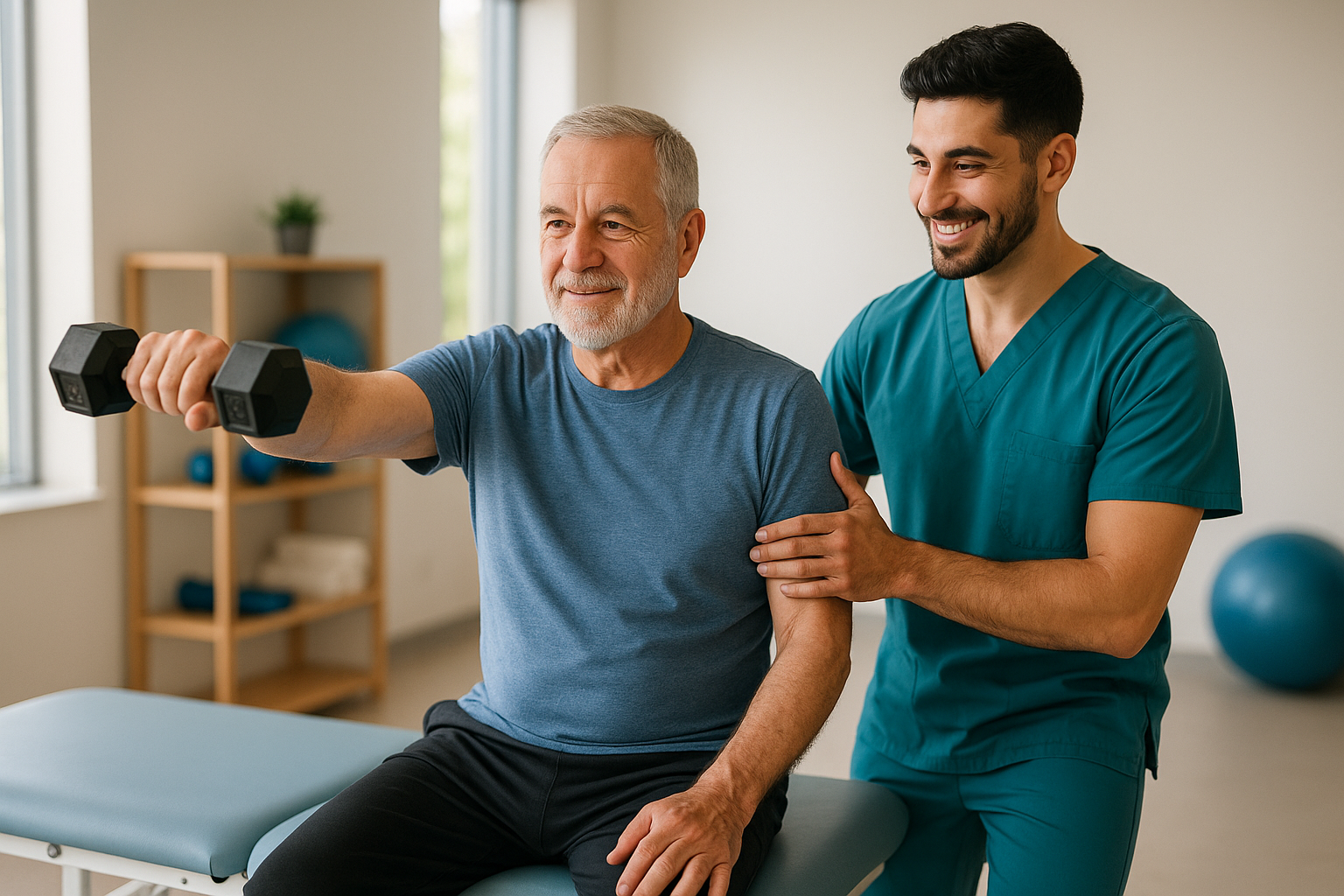
As we age, maintaining strength and independence becomes more important than ever. You might think of weightlifting as a young person's game, but the truth is far more empowering. Thoughtfully designed strength training for older adults is one of the most effective ways to enhance quality of life, prevent injuries, and preserve the vitality needed to enjoy your golden years to the fullest. It’s not about lifting heavy weights; it’s about building functional strength for everyday life. At Physio Cure Dubai, we believe that safe, effective, and personalized exercise is a cornerstone of healthy aging, which is why it is central to our geriatric physiotherapy programs.
Why Strength Training is a Game-Changer for Seniors
The natural aging process brings changes to our bodies. One of the most significant is sarcopenia, the gradual loss of muscle mass, strength, and function. This is often accompanied by a decrease in bone density, which can lead to osteoporosis. While these changes are a normal part of aging, they are not inevitable or irreversible. Regular participation in strength training can dramatically slow, and in many cases, reverse these declines. Think of your muscles as your body's "longevity organ." The stronger they are, the more resilient your entire system becomes.
The benefits extend far beyond just muscle. Engaging in a consistent strength program delivers a holistic boost to your well-being:
- Enhanced Independence and Function: Stronger muscles make everyday tasks easier and safer. From carrying groceries and climbing stairs to getting up from a chair or playing with grandchildren, functional strength is the key to maintaining an active and independent lifestyle.
- Drastically Reduced Fall Risk: Falls are a major health risk for older adults. Strength training, particularly exercises that target the legs, hips, and core, significantly improves balance and coordination, providing the stability needed to prevent falls and the strength to recover if you do stumble.
- Stronger, Healthier Bones: Weight-bearing exercises place gentle stress on your bones, which signals the body to build more bone tissue. This process increases bone density and reduces the risk of osteoporosis and fractures.
- Management of Chronic Conditions: Strength training is a powerful tool for managing symptoms of many chronic illnesses. It can alleviate the pain and stiffness of arthritis, improve blood sugar control in type 2 diabetes, help manage back pain, and improve cardiovascular health.
- Improved Mental and Emotional Health: The benefits aren't just physical. The accomplishment of mastering a new exercise, the boost in energy, and the release of endorphins can lead to improved mood, better sleep, and enhanced cognitive function.
At its core, a well-structured strength program addresses the root cause of many age-related physical challenges, empowering you with the resilience to live a fuller, more active life.
A Physiotherapist's Guide to Getting Started Safely
Embarking on a new fitness journey can feel daunting, but this complete strength training for older adults guide is designed to be safe and accessible. The most important first step is to consult with your doctor or a qualified physiotherapist before you begin. This is especially crucial if you have pre-existing health conditions, chronic pain, or have been inactive for a long time. A professional can help determine a safe starting point and tailor a program that meets your specific needs and goals.
At Physio Cure Dubai, our "100% Personalized Care" philosophy means we never use a one-size-fits-all approach. We conduct a comprehensive assessment to understand your unique physical condition, lifestyle, and aspirations. This allows us to design a program that is not only effective but also safe and enjoyable for you.
Here are some fundamental principles for starting safely:
- Start Low, Go Slow: Begin with light weights, resistance bands, or even just your own body weight. The goal is to master the proper form before increasing the challenge. Focus on slow, controlled movements.
- Listen to Your Body: It's normal to feel some muscle soreness a day or two after a workout, especially when you're starting. However, you should never feel sharp, stabbing, or joint pain during an exercise. If you do, stop immediately.
- Focus on Form: Correct technique is more important than the amount of weight you lift. Poor form can lead to injury and diminishes the effectiveness of the exercise. If possible, have a professional guide you through the movements initially.
- Breathe: Don't hold your breath! A common mistake is to tense up and forget to breathe. Exhale during the most difficult part of the movement (the exertion) and inhale as you return to the starting position.
Safety First: Always choose a stable, non-slip surface for your exercises. If you feel unsteady, use a sturdy chair or a wall for support. Your safety is paramount to building a sustainable and beneficial routine.
Foundational Strength Training for Older Adults Exercises
You don’t need a gym membership or fancy equipment to start building strength. Many of the most effective strength training for older adults exercises can be done from the comfort of your own home using your body weight or a sturdy chair for support. The key is to target all major muscle groups for balanced, functional fitness.
Here are five foundational exercises to get you started. Aim for 8-15 repetitions of each exercise, performing 1-3 sets as you feel comfortable.
- Chair Squat (Sit-to-Stand): This is one of the most important functional exercises, as it mimics the movement of getting up from a chair or toilet.
How to do it: Stand in front of a sturdy chair, with your feet shoulder-width apart. Slowly bend your knees and hips to lower yourself down until you are just about to sit, then push through your heels to stand back up. Keep your chest up and back straight. For support, you can hold onto the sides of the chair. - Wall Push-up: This is a safe and effective way to build upper body strength in the chest, shoulders, and triceps.
How to do it: Stand facing a wall, about arm's length away. Place your palms flat on the wall, slightly wider than your shoulders. Keeping your body in a straight line, bend your elbows to bring your chest closer to the wall. Push back to the starting position. - Side Leg Raise: This exercise strengthens the hip abductor muscles, which are crucial for stability and balance when walking.
How to do it: Stand behind a sturdy chair, holding on for balance. Keeping your back straight and your toes pointing forward, slowly lift one leg out to the side as far as you can comfortably go without leaning your torso. Slowly lower it back down. Complete all reps on one side before switching to the other. - Bicep Curls: This classic exercise strengthens the arms, making it easier to lift and carry objects.
How to do it: Sit or stand tall with your shoulders back. Hold a light weight (like a soup can or a small dumbbell) in each hand, with your palms facing forward. Bend your elbows to curl the weights up toward your shoulders, keeping your upper arms stationary. Slowly lower the weights back down. - Heel Raises: This simple movement strengthens the calf muscles, which are important for walking and balance.
How to do it: Stand behind a chair, holding on for support. Slowly raise your heels off the floor, pushing up onto the balls of your feet. Hold for a moment, then slowly lower your heels back down.
As you get stronger, you can explore more movements. For additional ideas, a great resource like this guide to exercises for seniors can provide more options to keep your routine fresh and challenging.
Key Tips for a Successful and Sustainable Routine
The true magic of strength training lies in consistency. A single workout is good, but a regular routine is what transforms your health. Here are some essential strength training for older adults tips to help you build a habit that lasts.
- Schedule Your Workouts: Treat your exercise sessions like any other important appointment. The CDC recommends at least two days of strength training per week. Pick days and times that work for you and put them in your calendar.
- Warm-Up and Cool-Down: Never jump straight into your main exercises. Start with 5-10 minutes of light activity, like marching in place or arm circles, to get your blood flowing and prepare your muscles. Afterward, cool down with 5-10 minutes of gentle stretching to improve flexibility and aid recovery.
- Allow for Recovery: Your muscles build strength during periods of rest, not during the workout itself. Be sure to allow at least one full day of rest for a muscle group before working it again. This prevents overuse injuries and allows your body to adapt and grow stronger.
- Stay Hydrated: Drink water before, during, and after your workouts. Proper hydration is essential for muscle function and overall health.
- Find a Partner: Exercising with a friend, family member, or a group can provide motivation, accountability, and social connection, making the experience more enjoyable.
Progress, Not Perfection: Don't be discouraged if you have an 'off' day or need to start with very light resistance. The goal is consistent effort over time. Celebrate small victories and remember that every single session is a step toward a stronger, healthier you.
The Role of Physiotherapy in Your Strength Journey
While starting on your own is possible, partnering with a professional can make your journey safer, more effective, and more rewarding. This is where strength training for older adults physiotherapy becomes invaluable. A qualified physiotherapist, especially one with a Doctor of Physical Therapy (DPT) degree like our team at Physio Cure, acts as your personal health guide.
Our Doctor-Led treatment model means that your entire journey—from assessment and diagnosis to the creation and supervision of your treatment plan—is handled by a highly qualified doctor, not a technician. We focus on "Root-Cause Diagnosis" to understand not just what hurts, but why. For an older adult, this could mean identifying a specific muscle imbalance that's affecting your gait or a postural issue contributing to back pain.
A physiotherapist can:
- Create a Truly Custom Plan: We design exercises specifically for your body, taking into account any conditions like arthritis, heart disease, or post-surgical limitations. We know how to modify movements to challenge you without causing harm.
- Ensure Perfect Form: One of the biggest barriers to safe strength training is incorrect technique. Through guided exercise and hands-on therapy, we can teach you the precise way to perform each movement, maximizing its benefit and eliminating the risk of injury.
- Help You Progress Safely: How do you know when to increase the weight or try a more challenging exercise? A physiotherapist can monitor your progress and adjust your program at the right pace, ensuring you continue to build strength without hitting a plateau or getting injured.
- Build Your Confidence: Having an expert in your corner provides peace of mind. Our compassionate, patient-centered approach ensures you feel supported, understood, and confident in your ability to succeed.
Working with a physiotherapy clinic that values active patient participation means you are not just a passive recipient of treatment. We empower you with the knowledge and skills to take control of your health, building a foundation of strength that will serve you for years to come.
Ready to rediscover your strength and confidence? At Physio Cure Dubai, our doctor-led team is dedicated to creating a personalized plan that works for you. Learn more about our specialized strength training for older adults programs and book your free consultation today.
Frequently Asked Questions
Need Help With Your Recovery?
Book a free consultation with our expert physiotherapists.
Related Articles
Strength Training: A Game Changer in Orthopedic Rehab
Personalized strength training speeds orthopedic recovery after injury or surgery. Doctor-led rehab rebuilds muscle, stabilizes joints, and prevents re-injury.
16 min read

Doctor-Led Hip Replacement Recovery Exercises Roadmap
Discover the doctor-led roadmap for hip replacement recovery exercises. Learn safe, progressive moves, key precautions, and tips for lasting joint mobility.
14 min read
Hip Replacement Recovery Exercises: Your Complete Roadmap
Master each phase of hip replacement rehab with doctor-led physiotherapy. Discover evidence-based exercises that restore strength, mobility, and independence.
13 min read