

Dry Needling for Athletes: Rapid Recovery & Peak Power
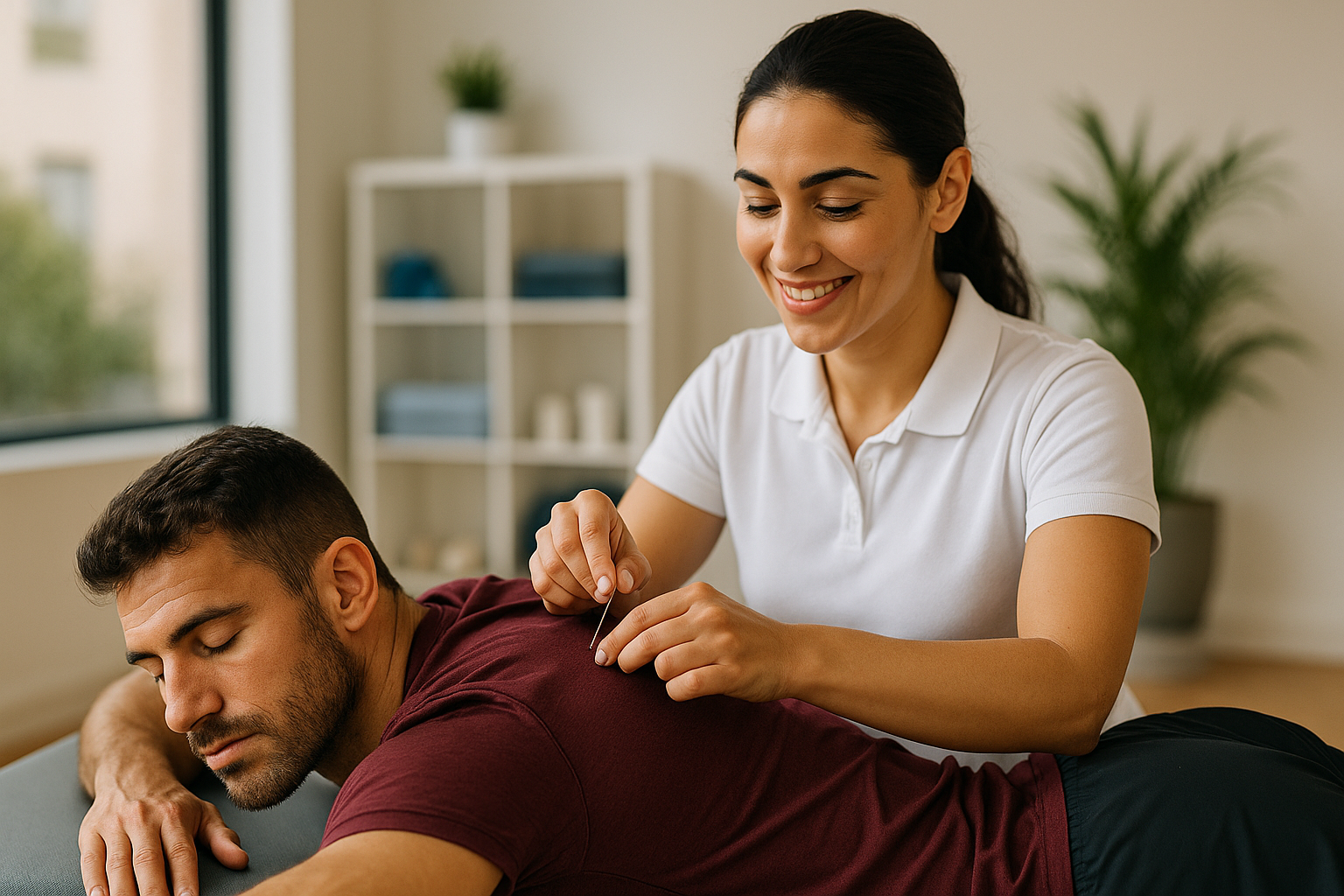
For dedicated athletes, persistent muscle knots, stubborn tightness, and delayed recovery are more than just annoyances—they are barriers to performance. You push your body to its limits, but what happens when it pushes back with pain and restriction? Many athletes are discovering a powerful, evidence-based solution to reclaim their edge. The benefits of dry needling for athletes extend far beyond simple pain relief, offering a targeted approach to release deep-seated tension, accelerate healing, and restore optimal function. This advanced technique, a cornerstone of modern physiotherapy, focuses on deactivating myofascial trigger points—the epicenters of your muscular discomfort—to help you train harder, recover faster, and perform better than ever before.
Understanding the Mechanism: What is Dry Needling?
Before we dive into the extensive benefits, it's crucial to understand what dry needling is and, just as importantly, what it isn't. Dry needling is a modern medical technique performed by skilled and licensed physical therapists, such as the doctors at Physio Cure Dubai. It involves inserting a very thin, solid filiform needle—the same kind used in acupuncture—directly into a myofascial trigger point. These trigger points are essentially hyper-irritable knots within a taut band of skeletal muscle that can cause localized pain, referred pain (pain felt in other areas of the body), and motor dysfunction.
The primary goal of this targeted approach, often referred to as trigger point therapy, is to elicit a "local twitch response." This is an involuntary spinal cord reflex in which the muscle fibers in the taut band contract and then relax. This response is the key to breaking the pain cycle. By stimulating the trigger point, dry needling helps to release muscle tension, improve blood flow to the area, reduce inflammation, and promote tissue healing. This precise, science-backed intervention is a powerful tool for effective myofascial pain treatment and is a world away from a simple massage or passive stretch.
Dry Needling vs. Acupuncture: Clarifying the Difference
One of the most common questions is about the difference between dry needling vs acupuncture. While both techniques use the same type of needle, their underlying philosophies, diagnostic methods, and treatment goals are fundamentally different. Acupuncture is a key component of Traditional Chinese Medicine (TCM) and is based on the principle of restoring the flow of "Qi" (life energy) along specific meridians in the body. An acupuncturist places needles along these meridians to treat a wide range of systemic conditions.
In contrast, dry needling is a Western medical practice grounded in modern anatomy, physiology, and neurophysiology. The treatment is based on a thorough physical examination and diagnosis of neuromuscular dysfunction. A physical therapist identifies specific trigger points that are contributing to your pain and movement impairment and targets them directly. The focus is purely on the musculoskeletal and nervous systems to relieve pain, improve range of motion, and restore function. At a doctor-led clinic like Physio Cure Dubai, this evidence-based approach ensures your treatment is directly addressing the scientifically identified root cause of your athletic complaint.
The Core Benefits of Dry Needling for Athletes Explored
For athletes, maintaining the body in peak condition is paramount. Dry needling offers a targeted way to address the unique stresses that intense training places on the musculoskeletal system. Here are the primary benefits of dry needling for athletes benefits that can translate into tangible performance gains.
1. Rapid and Lasting Pain Relief
Chronic muscle soreness, nagging pain from conditions like shin splints or IT band syndrome, and acute pain from strains are common hurdles for athletes. Dry needling provides rapid relief by targeting the source of the pain: the trigger point. Eliciting the local twitch response helps to break the pain-spasm-pain cycle, calm nerve irritation, and release natural pain-relieving chemicals like endorphins. This provides more profound and lasting relief than surface-level treatments because it addresses the underlying neuromuscular dysfunction.
Key Insight: Unlike general massage, dry needling can access and release deeper trigger points that are otherwise unreachable, providing a more definitive solution to stubborn muscle knots and chronic tightness.
2. Accelerated Recovery and Reduced Downtime
The "no pain, no gain" mantra only goes so far. Effective recovery is what truly builds strength and resilience. Dry needling significantly enhances the recovery process. The micro-trauma created by the needle stimulates a healing response, increasing blood circulation to the targeted muscle. This improved blood flow delivers vital oxygen and nutrients while flushing out metabolic waste products and inflammatory chemicals that accumulate during intense exercise. As detailed in expert blogs on dry needling for athletic recovery, this process reduces muscle soreness and accelerates tissue repair, allowing you to return to training sooner and with greater intensity.
3. Restored Range of Motion and Flexibility
Tight muscles and restricted fascia limit your movement efficiency and can lead to compensatory patterns that increase injury risk. Whether it's achieving a deeper squat, a fuller shoulder rotation for a throw, or a more fluid running stride, optimal range of motion is non-negotiable. By releasing trigger points and the surrounding fascia, dry needling can immediately improve joint mobility and muscle flexibility. Athletes often report feeling "freer" and more agile after a session, allowing them to perform movements with greater ease and precision. This is particularly beneficial for managing issues related to back pain treatment where muscular tightness is a primary factor.
4. Enhanced Muscle Function and Performance
Trigger points don't just cause pain; they also inhibit muscle function. An active trigger point can prevent a muscle from contracting fully, leading to weakness and forcing other muscles to overcompensate. Dry needling essentially "resets" the neuromuscular system. By deactivating these trigger points, the treatment helps restore proper muscle activation patterns. This means muscles can fire more efficiently and generate more force. Studies have shown improvements in metrics like vertical jump height and hamstring strength following dry needling, highlighting its potential to directly contribute to better athletic output and a more effective sports injury rehabilitation plan.
- Pain Reduction: Directly targets and deactivates hyper-irritable muscle knots.
- Faster Healing: Boosts blood flow to flush toxins and deliver nutrients.
- Improved Mobility: Releases fascial restrictions and muscle tightness for better flexibility.
- Optimal Activation: Resets neuromuscular patterns for improved strength and coordination.
- Injury Prevention: Addresses muscular imbalances before they lead to more serious issues.
Integrating Dry Needling into Your Training Regimen
The versatility of dry needling makes it a valuable addition to an athlete's toolkit at any stage of their training cycle. A qualified physiotherapist can help determine the optimal timing for your specific needs:
- During Heavy Training Phases: It can be used proactively to manage accumulating muscle tension and prevent the formation of performance-limiting trigger points.
- Pre-Competition: A session a few days before an event can help ensure muscles are firing optimally and free from restrictions, priming the body for peak performance.
- Post-Competition/Recovery Phase: It is highly effective for accelerating recovery, addressing acute soreness, and treating any minor strains sustained during competition.
- During Rehabilitation: It is a key modality in treating sports injuries, helping to manage pain and restore function alongside therapeutic exercise.
Athlete Tip: Always communicate with your physical therapist about your training and competition schedule. They can tailor the intensity and timing of your dry needling sessions to complement your goals and avoid any post-treatment soreness interfering with key events.
The Physio Cure Dubai Difference: A Doctor-Led Approach
While the technique is powerful, the results are heavily dependent on the practitioner's skill, knowledge, and diagnostic accuracy. At Physio Cure Dubai, your treatment is always doctor-led. Our specialists, such as Dr. Mina Gamil and his team, hold Doctor of Physical Therapy degrees and possess advanced training in complex musculoskeletal disorders. This ensures your dry needling therapy is not a standalone treatment but part of a comprehensive, personalized care plan.
Our approach begins with a thorough assessment to identify the true root cause of your pain or dysfunction. We don't just chase symptoms. We analyze your movement patterns, biomechanics, and training load to understand why these trigger points are forming in the first place. Dry needling is then expertly integrated with other evidence-based modalities, including hands-on manual therapy, guided exercise, and patient education, to deliver lasting results. When performed by our highly qualified doctors, dry needling is an exceptionally safe and effective procedure, with most patients experiencing only mild, temporary soreness at the needle sites.
Ready to break through your performance barriers and experience the profound benefits of dry needling? Contact Physio Cure Dubai today to schedule your consultation and discover how our expert-led manual therapy techniques can help you achieve your athletic goals.
Frequently Asked Questions
Need Help With Your Recovery?
Book a free consultation with our expert physiotherapists.
Related Articles
Cupping for Muscle Recovery: Unlocking Peak Performance
Learn how dry cupping therapy speeds muscle recovery, flushes toxins, and boosts mobility for athletes. Explore timing, benefits, and expert-led treatment in Dubai.
15 min read

Shoulder Impingement Treatment Guide | Non-Surgical Relief
Discover physiotherapy that targets the root cause of shoulder impingement pain. Explore non-surgical treatment, rehab exercises, and prevention tips.
14 min read

Doctor-Led Shoulder Impingement Treatment & Lasting Relief
Struggling with shoulder impingement? Try our doctor-led physiotherapy that calms inflammation, restores mobility, and builds strength for lasting relief.
14 min read