
Shoulder Impingement Treatment Guide | Non-Surgical Relief

That sharp, pinching pain in your shoulder every time you reach overhead, lift something, or even just try to sleep on your side—it’s a frustrating and debilitating experience. For many, this is the daily reality of shoulder impingement syndrome. This common condition occurs when the space narrows between the top of your shoulder blade (acromion) and the rotator cuff tendons, causing them to become compressed or "impinged." The result is pain, inflammation, and reduced mobility that can severely impact your quality of life. But you don't have to live with it. At Physio Cure Dubai, we believe in a doctor-led, root-cause approach to provide lasting relief through expert shoulder impingement treatment.
Understanding the 'Why' Behind Your Shoulder Pain
Before diving into treatment, it's crucial to understand what’s happening inside your shoulder. The shoulder is a complex ball-and-socket joint, offering an incredible range of motion. This mobility, however, comes at the cost of stability. The rotator cuff, a group of four muscles and their tendons, is essential for stabilizing and moving the shoulder. In shoulder impingement syndrome, these tendons—along with the bursa, a fluid-filled sac that provides cushioning—get pinched under the acromion during overhead arm movements.
This compression can be caused by several factors, including:
- Repetitive Overhead Activities: Common in sports like swimming, tennis, and weightlifting, as well as occupations like painting or construction.
- Poor Posture: Slouching or rounded shoulders can decrease the subacromial space, making impingement more likely. This is a key area we address, often linking to conditions requiring back pain treatment.
- Bone Spurs: Overgrowths on the acromion can physically narrow the space and rub against the rotator cuff.
- Injury or Trauma: A fall or direct blow to the shoulder can cause inflammation and swelling, leading to impingement.
Identifying the precise cause is the first step in our diagnostic process. Unlike clinics that only treat symptoms, we focus on a root-cause diagnosis to create a treatment plan that delivers lasting results. For a deeper dive into the anatomy of this condition, this authoritative guide on shoulder impingement provides excellent information.
The Foundation of Recovery: Non-Surgical Shoulder Treatment
The good news is that the vast majority of shoulder impingement cases are successfully resolved without surgery. The initial phase of treatment focuses on calming the inflammation and preventing further aggravation. This conservative, non-surgical shoulder treatment approach typically involves a combination of strategies tailored to your specific situation.
Rest and Activity Modification
The first and most critical step is to stop doing what hurts. This doesn't mean complete immobilization, but rather a strategic avoidance of aggravating activities, particularly overhead lifting, reaching, and throwing. Our doctors of physical therapy work with you to identify these triggers in your daily life, from your workout routine to how you lift groceries. For athletes, this is a core component of a successful sports injury rehabilitation plan, ensuring a safe return to play without re-injury.
Expert Tip: Listen to your body. "Pushing through the pain" is one of the most common mistakes people make with shoulder impingement. True recovery begins with giving the inflamed tissues the rest they need to heal.
Pain and Inflammation Control
To manage the acute symptoms, we often recommend a two-pronged approach. Applying ice for 15-20 minutes several times a day can significantly reduce inflammation and numb the pain. Over-the-counter non-steroidal anti-inflammatory drugs (NSAIDs) like ibuprofen or naproxen can also be effective in the short term, but it's essential to use them as directed and consult with a healthcare professional. If these initial steps don't provide sufficient relief, a cortisone injection may be considered to deliver a powerful anti-inflammatory agent directly to the source of the problem.
Doctor-Led Physiotherapy: The Core of Shoulder Impingement Treatment Rehab
While rest and pain management are crucial first steps, they don't address the underlying biomechanical issues that led to the impingement. This is where expert, doctor-led physiotherapy becomes the cornerstone of your shoulder impingement treatment rehab. At Physio Cure Dubai, your entire journey—from assessment to treatment—is handled by a licensed Doctor of Physical Therapy, not a technician.
Our approach begins with a comprehensive assessment to uncover the root cause. We look beyond the shoulder itself, evaluating your posture, scapular mechanics, thoracic spine mobility, and muscle imbalances. This holistic view is critical because a problem in your mid-back or weakness in your core can directly contribute to faulty shoulder movement. This detailed diagnosis allows us to create a 100% personalized treatment plan that includes:
- Manual (Hands-On) Therapy: Our therapists use skilled techniques like joint mobilization, soft tissue massage, and active release to restore normal joint mechanics, reduce muscle tension, and improve tissue mobility.
- Advanced Modalities: We integrate modern, evidence-based technologies to accelerate healing. Treatments like Dry Needling can release tight muscle knots (trigger points), while Cupping Therapy can improve blood flow and reduce fascial restrictions.
- Patient Education: We empower you with knowledge about your condition, teaching you proper body mechanics and ergonomic strategies to prevent future flare-ups.
Rebuilding Strength: Key Shoulder Physiotherapy Exercises
The active component of your recovery involves a progressive program of shoulder physiotherapy exercises designed to correct imbalances, improve stability, and promote effective rotator cuff strengthening. The goal is not just to build strength, but to re-train your muscles to work together correctly, creating more space in the shoulder joint and preventing future impingement. Your personalized plan will evolve as you heal, but often includes exercises targeting key areas:
- Scapular Stabilization: The shoulder blade (scapula) is the foundation for arm movement. Exercises like scapular squeezes and wall slides teach you to control your shoulder blades, preventing them from tilting forward and narrowing the subacromial space. Correcting these postural dysfunctions is also a key focus in our women's health physiotherapy, particularly for postpartum recovery.
- Rotator Cuff Strengthening: It's crucial to strengthen the rotator cuff muscles, especially the external rotators. These muscles help to depress the head of the humerus (the "ball" of the joint), pulling it down and away from the acromion during elevation. Exercises using light dumbbells or resistance bands for internal and external rotation are fundamental.
- Postural Correction: We incorporate exercises to strengthen the muscles of the upper back and neck and stretch the tight muscles in the chest (pectorals). This helps pull the shoulders back into a more optimal alignment, naturally increasing the space within the joint.
- Stretching & Mobility: Gentle stretches for the shoulder capsule, particularly the posterior (back) part, can help improve internal rotation and overall joint mobility, reducing strain during movement.
Path to Recovery: Consistency is more important than intensity. Performing your prescribed exercises correctly and consistently every day is the single most effective action you can take to ensure a full and lasting recovery from shoulder impingement.
When Is Surgery for Shoulder Impingement Necessary?
It’s important to reiterate that surgery is rarely the first option and is reserved for cases where months of dedicated conservative treatment, including high-quality physiotherapy, have failed to resolve the symptoms. If your pain persists and is significantly impacting your life, and imaging confirms a structural issue like a large bone spur, a surgical procedure may be discussed.
The most common procedure is a subacromial decompression (or acromioplasty), where a surgeon shaves away a small part of the acromion to create more physical space for the rotator cuff tendons to move freely. Recovery involves a period in a sling followed by an essential course of post-operative physiotherapy to regain strength and range of motion. However, with the right evidence-based, doctor-led approach, the vast majority of our patients achieve their goals without ever needing to consider a surgical option.
Don't let shoulder pain limit your life. Take the first step towards lasting relief. Contact Physio Cure Dubai today to schedule your comprehensive assessment and begin your personalized shoulder impingement treatment plan.
Frequently Asked Questions
Need Help With Your Recovery?
Book a free consultation with our expert physiotherapists.
Related Articles
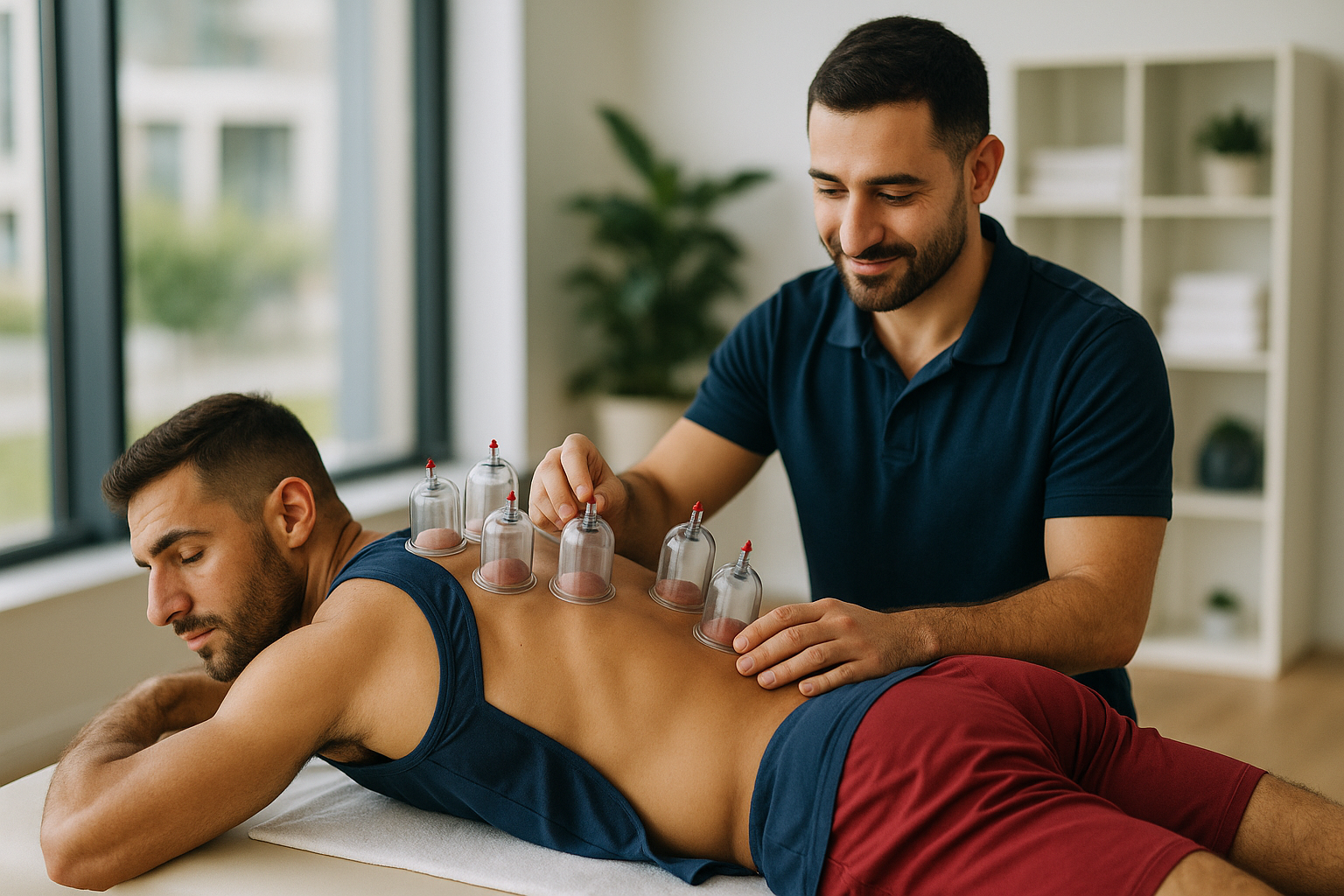
Cupping for Muscle Recovery: Unlocking Peak Performance
Learn how dry cupping therapy speeds muscle recovery, flushes toxins, and boosts mobility for athletes. Explore timing, benefits, and expert-led treatment in Dubai.
15 min read
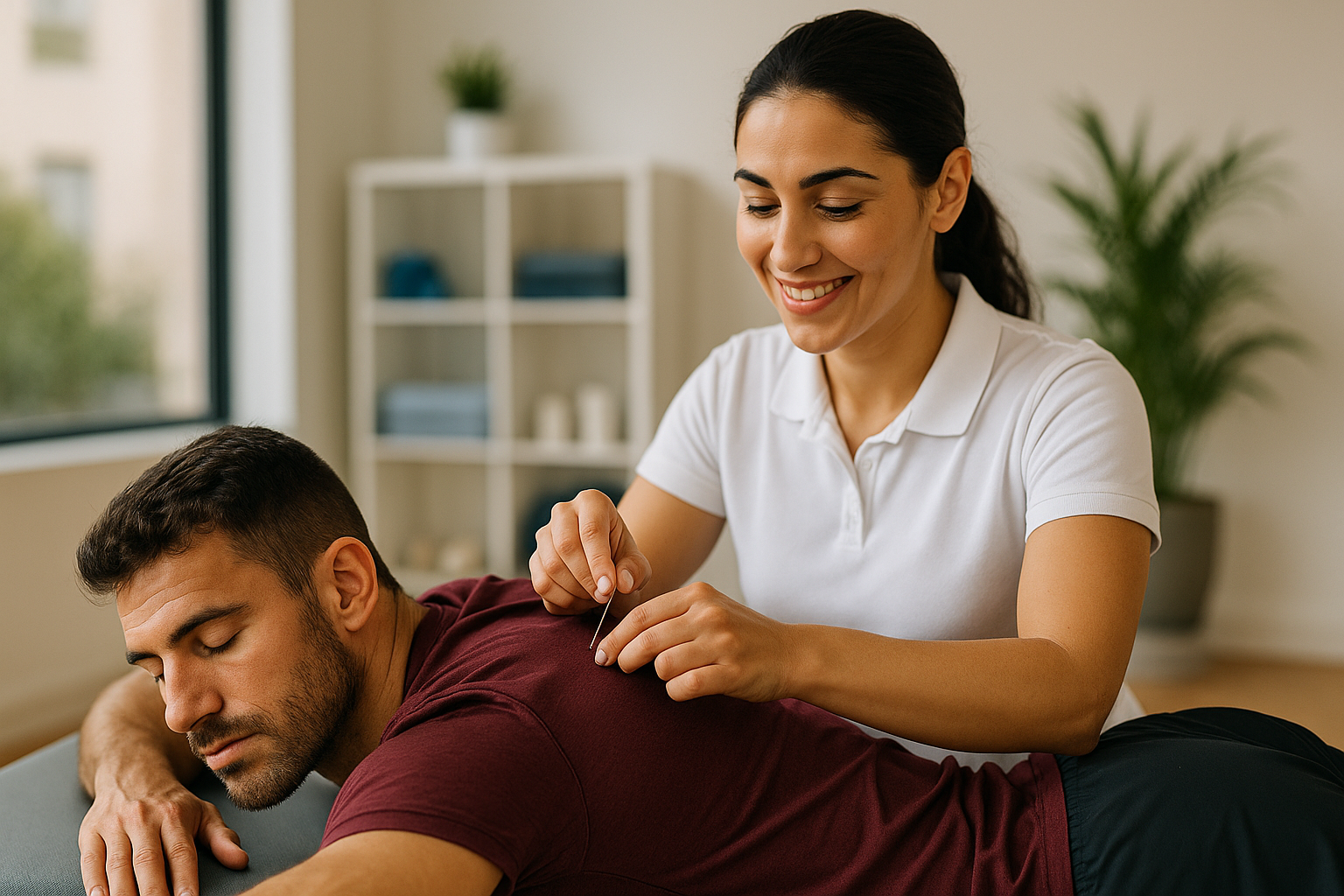
Dry Needling for Athletes: Rapid Recovery & Peak Power
Doctor-led dry needling targets trigger points to relieve pain, accelerate recovery, restore mobility, and boost athletic performance for serious competitors.
15 min read

Doctor-Led Shoulder Impingement Treatment & Lasting Relief
Struggling with shoulder impingement? Try our doctor-led physiotherapy that calms inflammation, restores mobility, and builds strength for lasting relief.
14 min read