
Doctor-Led Shoulder Impingement Treatment & Lasting Relief

A sharp, nagging pain when you reach overhead, a dull ache that disrupts your sleep, or a sudden weakness that makes lifting a simple grocery bag a challenge—these are the tell-tale signs of shoulder impingement syndrome. This common condition can sideline you from your favorite sports, make your workday unbearable, and steal the joy from simple daily activities. But you don't have to live with the pain. Effective, non-surgical relief is not only possible but is the standard for lasting recovery. This comprehensive guide will walk you through the modern, evidence-based approach to shoulder impingement treatment, empowering you to move from pain management to a full return to an active, unrestricted life.
Understanding the Source: What Exactly Is Shoulder Impingement?
To effectively treat shoulder impingement, we must first understand what’s happening inside the joint. Your shoulder is a complex structure, but the issue often arises in a narrow space at the top called the subacromial space. This space houses your rotator cuff tendons and a fluid-filled sac called the bursa, which acts as a cushion.
Shoulder impingement occurs when this space becomes too narrow, causing the acromion (the bony tip of your shoulder blade) to rub against, or "impinge" on, the rotator cuff tendons and bursa. This repetitive pinching action leads to irritation, inflammation, and significant pain, a condition medically known as Subacromial Pain Syndrome (SAPS).
But why does this space narrow? The answer is rarely simple and often involves a combination of factors, which is why a root-cause diagnosis is critical. Common culprits include:
- Repetitive Overhead Activities: Common in athletes (swimmers, tennis players) and manual workers (painters, electricians).
- Poor Posture: A forward-head and rounded-shoulder posture can alter the mechanics of the shoulder blade, effectively shrinking the subacromial space.
- Muscle Imbalances: Weakness in the rotator cuff and the muscles that stabilize the shoulder blade (scapular stabilizers) can cause the head of the arm bone (humerus) to ride up too high, leading to pinching.
- Injury or Trauma: A fall or direct blow to the shoulder can cause inflammation and swelling that leads to impingement.
- Anatomical Factors: Some individuals may have bone spurs on the acromion or a differently shaped acromion that predisposes them to the condition. For a deeper dive into the anatomical considerations and non-surgical shoulder treatment options, this resource provides excellent detail.
The First Step to Recovery: A Precise, Doctor-Led Diagnosis
At Physio Cure Dubai, we firmly believe you cannot effectively treat what you haven't accurately diagnosed. Our core philosophy is built on a doctor-led, root-cause approach. Generic treatment plans often fail because they only address the symptom—the pain—without correcting the underlying mechanical fault. This is why our process begins with a comprehensive assessment performed by a licensed Doctor of Physical Therapy, not a technician.
This initial evaluation goes far beyond a simple shoulder examination. We investigate the entire kinetic chain—assessing your posture, analyzing the movement of your shoulder blade, testing the strength and activation patterns of key muscles, and examining your neck and upper back. This meticulous process allows us to identify the specific drivers of your impingement, paving the way for a 100% personalized treatment plan designed for lasting relief.
A key principle in effective shoulder impingement treatment rehab is to 'strengthen the lows and stretch the highs.' This means strengthening the weak scapular stabilizers and rotator cuff while stretching the tight chest and upper back muscles that pull the shoulder into a poor position.
A Multi-Faceted Plan for Shoulder Impingement Treatment Rehab
A successful non-surgical recovery program is a structured, phase-based journey. It requires active patient participation and a combination of hands-on therapy and targeted exercises. Our evidence-based plans are designed to calm the irritated tissues, restore normal movement, and rebuild strength to prevent recurrence.
Phase 1: Pain and Inflammation Control
The immediate goal is to settle the angry tissues. This phase focuses on reducing pain and inflammation to create a window for healing. This involves more than just "rest." We focus on "active rest" and activity modification, teaching you how to move and perform daily tasks without aggravating your shoulder. The cornerstone of this phase is manual (hands-on) therapy, where our doctors use skilled techniques like soft tissue mobilization to release tight muscles and gentle joint mobilizations to improve the mechanics of your shoulder and upper back.
Phase 2: Restoring Mobility and Flexibility
Once the initial pain subsides, we shift focus to restoring your shoulder's full, pain-free range of motion. Stiffness is a common consequence of shoulder pain, and if not addressed, it can lead to a more serious "frozen shoulder." We guide you through a specific sequence of gentle shoulder physiotherapy exercises, such as pendulum swings and wall crawls, to progressively and safely regain mobility. Manual therapy continues to play a vital role here, with our physiotherapists using targeted techniques to stretch the joint capsule and surrounding muscles.
Phase 3: Building a Foundation of Strength and Stability
This is the most critical phase for long-term success. Simply regaining motion is not enough; we must correct the muscle imbalances that caused the impingement in the first place. The focus here is on targeted strengthening, specifically for the muscles that have been identified as weak during your initial assessment. This includes:
- Rotator Cuff Strengthening: The rotator cuff's primary job is to keep the head of the arm bone centered in the shoulder socket. We prescribe specific exercises, often using resistance bands, for internal and external rotation to ensure these crucial muscles are strong and responsive.
- Scapular Stabilization: Your shoulder blade (scapula) is the foundation upon which your arm moves. If this foundation is unstable, the shoulder joint cannot function correctly. Exercises like rows, I's, Y's, and T's are essential for strengthening the muscles that control and stabilize the scapula.
- Postural Correction: We address the root cause of postural dysfunction by strengthening the muscles of the mid and upper back, helping you maintain an upright posture that naturally opens up the subacromial space.
Advanced Modalities in Modern Shoulder Physiotherapy Exercises
At Physio Cure Dubai, our holistic and evidence-based approach means we integrate modern technology to complement our hands-on care. These advanced modalities are not standalone treatments but are used strategically within your personalized plan to accelerate healing, reduce pain, and improve function more efficiently.
Some of the advanced tools we may use include:
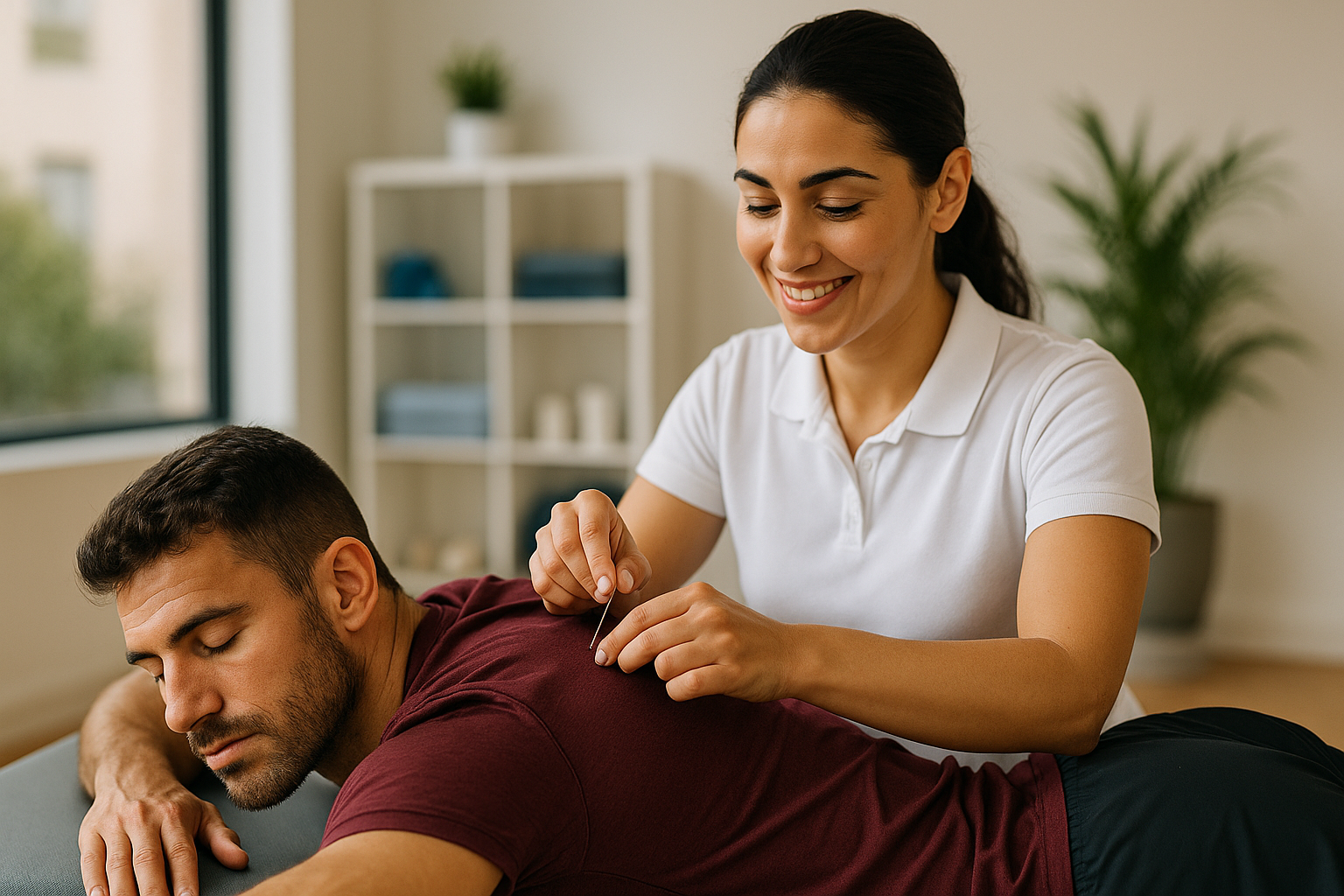
- Dry Needling: To release stubborn trigger points in the shoulder and neck muscles that contribute to pain and restricted movement.
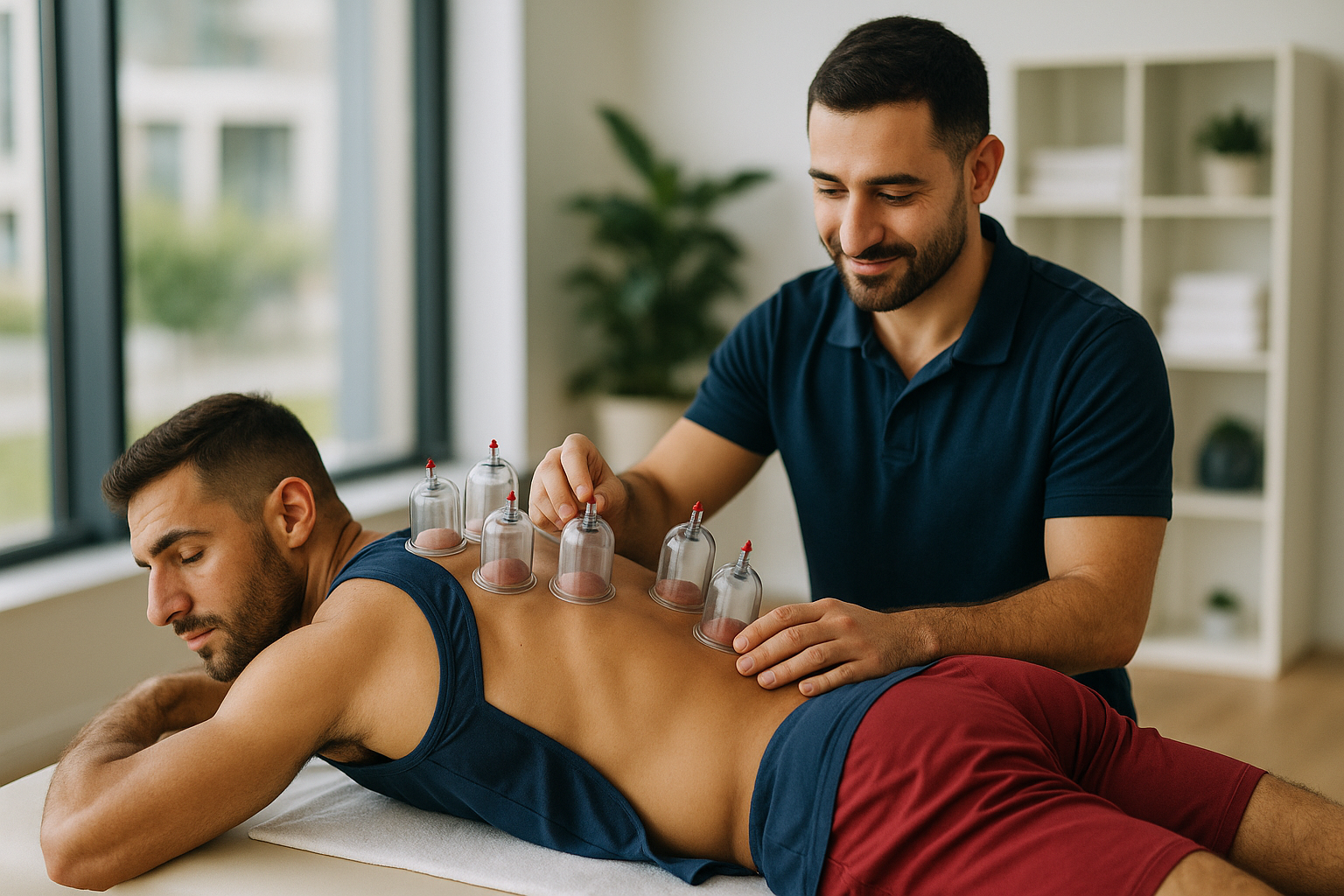
- Cupping Therapy: To improve blood flow, reduce muscle tension, and release fascial restrictions around the shoulder girdle.
- Acupuncture: An effective modality for modulating pain signals and reducing inflammation in the joint.
- Spinal Decompression: In cases where nerve irritation from the neck contributes to shoulder dysfunction, specialized decompression can alleviate this pressure and support overall recovery.
At Physio Cure Dubai, technology is never a replacement for skilled hands. Advanced modalities are powerful tools we integrate into a personalized, hands-on treatment plan to accelerate your recovery and achieve superior outcomes.
The Final Phase: Preventing Recurrence & Returning to Life
Our goal isn't just to get you out of pain; it's to keep you out of pain. The final stage of our patient journey is dedicated to patient education and injury prevention. We empower you with the knowledge and tools to maintain your shoulder health for the long term. This includes creating a customized home exercise program to maintain your strength and mobility gains.
For manual workers, we provide specific ergonomic advice on lifting techniques and modifying overhead tasks. For office workers, we offer strategies for optimizing workstation setup to support better posture. For athletes, we design sport-specific drills to ensure a safe and confident return to play. This final step transforms you from a passive patient into an active, informed guardian of your own well-being, fully equipped to achieve your goals and return to the activities you love.
Don't let shoulder pain dictate your life. If you are ready to move beyond the pinch and find lasting relief, take the first step. Contact Physio Cure Dubai today for a comprehensive assessment and a personalized shoulder impingement treatment plan.
Frequently Asked Questions
Need Help With Your Recovery?
Book a free consultation with our expert physiotherapists.
Related Articles
Cupping for Muscle Recovery: Unlocking Peak Performance
Learn how dry cupping therapy speeds muscle recovery, flushes toxins, and boosts mobility for athletes. Explore timing, benefits, and expert-led treatment in Dubai.
15 min read
Dry Needling for Athletes: Rapid Recovery & Peak Power
Doctor-led dry needling targets trigger points to relieve pain, accelerate recovery, restore mobility, and boost athletic performance for serious competitors.
15 min read

Shoulder Impingement Treatment Guide | Non-Surgical Relief
Discover physiotherapy that targets the root cause of shoulder impingement pain. Explore non-surgical treatment, rehab exercises, and prevention tips.
14 min read