

Running Injury Prevention & Treatment Guide for Athletes

Running is more than just a sport; it's a feeling of freedom, a test of endurance, and a powerful tool for physical and mental well-being. But for every exhilarating runner's high, there's the potential for a frustrating, performance-halting injury. Whether you're a seasoned marathoner or just starting your journey, understanding the landscape of common running injuries & treatment is the single most important step you can take toward longevity and peak performance. This guide isn't just about managing pain; it's about building a more resilient, powerful, and injury-proof athlete from the ground up, empowering you to conquer your goals and stay on the pavement for years to come.
The Runner's Paradox: Why Performance Plateaus and Pain Begins
Every runner is driven by the desire to improve—to go faster, further, or feel stronger. This relentless pursuit of progress is what makes the sport so rewarding. However, it's this very same drive that can lead to injury. Most running injuries are not the result of a single dramatic event, but rather the accumulation of repetitive stress over time. The body is an incredible machine of adaptation, but when the load we place on it exceeds its capacity to recover and repair, something has to give.
The primary culprits are often a combination of factors. A sudden spike in mileage, intensity, or frequency—the classic "too much, too soon"—is a common trigger. But the root cause often lies deeper, in subtle biomechanical inefficiencies, underlying muscle imbalances, or poor running form. Weak glutes might cause the pelvis to drop, putting excess strain on the knee and IT band. A stiff ankle could alter your foot strike, leading to shin splints or plantar fasciitis. These are not signs of weakness, but rather signals that your body's complex kinetic chain has a weak link. Identifying and addressing these root causes is the key to not just recovering, but emerging as a stronger, more efficient runner.
Decoding the Pain: Common Running Injuries & Treatment Guidelines
Recognizing the specific nature of your pain is the first step toward effective treatment. While every runner's experience is unique, most injuries fall into a few common categories. Here’s a breakdown of the usual suspects and the initial steps for management, providing a solid foundation for your recovery journey. For a deeper dive into these conditions, resources like Healthline offer comprehensive overviews.
- Patellofemoral Pain Syndrome (Runner's Knee): Characterized by a dull, aching pain around or behind the kneecap. It's often aggravated by running, squatting, or descending stairs. This is typically an overuse injury linked to weak quadriceps and hip muscles.
- Iliotibial (IT) Band Syndrome: A sharp, burning pain on the outside of the knee. The IT band, a thick band of connective tissue running from the hip to the shin, becomes inflamed from friction as it rubs against the femur. It's frequently associated with weak hip abductor muscles.
- Plantar Fasciitis: A stabbing pain in the bottom of the foot, especially near the heel, that is often most intense with the first steps in the morning. It involves inflammation of the plantar fascia, the tissue connecting your heel bone to your toes.
- Achilles Tendinitis: Pain and stiffness along the Achilles tendon, the large tendon at the back of the ankle. It's a classic overuse injury, often stemming from tight calf muscles or a rapid increase in training intensity.
- Medial Tibial Stress Syndrome (Shin Splints): A generalized pain along the inner edge of the shinbone. This condition is common in new runners or those who have recently changed their training regimen, often due to overloaded muscles and bone tissue.
- Stress Fractures: Tiny cracks in a bone caused by repetitive force, often from overuse. They present as a localized, sharp pain that worsens during activity and improves with rest. Common sites for runners are the shin (tibia), foot (metatarsals), and heel (calcaneus).
Performance Tip: Never "run through" sharp or persistent pain. Early warning signs are your body's way of communicating. Listening and responding promptly with rest and assessment is the difference between a minor setback and a season-ending injury.
Elite Recovery: The Doctor-Led Approach to Your Athlete Recovery Plan
While rest, ice, and basic stretches are a good starting point, true recovery and long-term prevention require a more sophisticated strategy. This is where a professional, doctor-led approach becomes a game-changer for your sports physio return to sport journey. At Physio Cure Dubai, the philosophy is centered on moving beyond temporary symptom relief to uncover and treat the root cause of your injury. Treatment isn't delivered by technicians; it's designed and executed by Doctors of Physical Therapy who possess an advanced understanding of biomechanics, pathology, and rehabilitation science.
Your journey begins with a comprehensive assessment that looks at your entire kinetic chain—from your foot strike to your core stability and running gait. This deep diagnostic dive allows experts like Dr. Mina Gamil, our Medical Director specializing in Sports Injuries, to create a 100% personalized treatment plan. This plan becomes your blueprint for recovery, integrating the cornerstones of effective rehabilitation:
- Manual (Hands-On) Therapy: Skilled joint mobilization, soft tissue manipulation, and massage to restore mobility, release tension, and improve tissue quality.
- Advanced Modalities: The integration of modern, evidence-based technologies like Dry Needling to release trigger points, Cupping Therapy to improve blood flow, and targeted spinal decompression to alleviate nerve pressure.
- Targeted Exercise Prescription: A specific, progressive program of exercises designed to strengthen weak muscles, lengthen tight ones, and retrain movement patterns for a more efficient and resilient stride.
Forging Resilience: The Ultimate Prehab Strength Program
The ultimate goal of any rehabilitation is not just to get you back to running, but to make you a more robust athlete who is less susceptible to future injuries. This is achieved through a dedicated prehab strength program. "Prehab" is proactive rehabilitation—a targeted strength and conditioning routine designed to correct the imbalances that contributed to your injury in the first place. This is not about building bulky muscles in a gym; it's about building functional, sport-specific strength that directly translates to better running form and endurance.
An effective prehab program for runners focuses on three critical areas:
- The Hips & Glutes: Often called the "engine" of a runner, strong gluteal muscles are essential for stabilizing the pelvis, controlling knee alignment, and providing powerful forward propulsion. Exercises like single-leg glute bridges, clamshells with bands, and lateral band walks are fundamental.
- The Core: A strong, stable core acts as a solid foundation, preventing energy leaks and maintaining an efficient, upright posture, especially as fatigue sets in. Planks, side planks, bird-dog, and dead bug variations are excellent for building this deep-core endurance.
- The Feet & Ankles: Your feet are your first point of contact with the ground. Strengthening the small intrinsic muscles of the feet and improving ankle mobility and stability can dramatically reduce the risk of plantar fasciitis, Achilles issues, and shin splints.
An hour of focused prehab a week is an investment that pays dividends in hundreds of pain-free miles. The strongest runners aren't just the ones who train the hardest; they're the ones who train the smartest.
Your Return-to-Run Blueprint: A Phased and Personalized Plan
Returning to running after an injury can feel daunting. The fear of re-injury is real, and it's easy to make mistakes by doing too much, too soon. A structured, phased return-to-run program is non-negotiable for a safe and successful comeback. At Physio Cure, this process mirrors our structured six-stage path to recovery, ensuring every step is deliberate and guided by your body's response.
While your specific plan will be highly personalized, the general framework involves:
- Phase 1: Pain & Inflammation Control: The initial focus is on calming the irritated tissue through hands-on therapy, targeted modalities, and relative rest.
- Phase 2: Restoring Mobility & Activating Muscles: Gentle range-of-motion exercises and low-level muscle activation to prepare the body for load.
- Phase 3: Building Strength & Control: This is where the prehab program begins in earnest, building the foundational strength needed to support the demands of running.
- Phase 4: Gradual Re-introduction to Running: The most critical phase. This typically starts with a walk/run program, slowly and methodically increasing the running duration while monitoring for any reaction.
- Phase 5: Returning to Full Training & Performance: Once you can run continuously without pain, the focus shifts to gradually re-introducing intensity, hills, and sport-specific drills, all while continuing your prehab program.
This meticulous approach ensures that you're not just pain-free, but that you've built the resilience to handle your training load and chase new personal bests with confidence.
Don't let pain dictate your limits. Take control of your recovery and unlock your true running potential. Book your comprehensive assessment at Physio Cure Dubai today and start your journey back to the finish line, stronger than ever.
Frequently Asked Questions
Need Help With Your Recovery?
Book a free consultation with our expert physiotherapists.
Related Articles
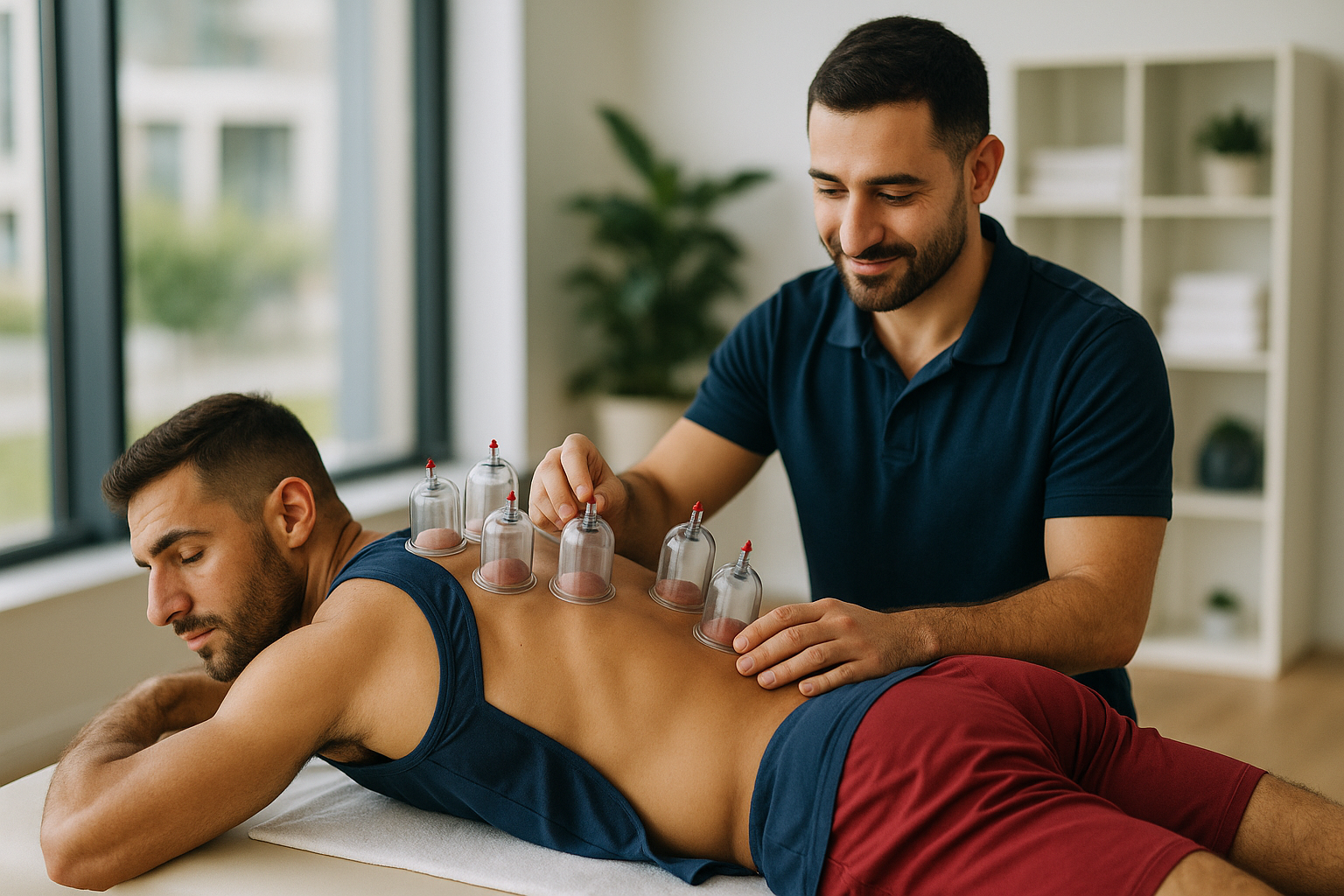
Cupping for Muscle Recovery: Unlocking Peak Performance
Learn how dry cupping therapy speeds muscle recovery, flushes toxins, and boosts mobility for athletes. Explore timing, benefits, and expert-led treatment in Dubai.
15 min read

Dry Needling for Athletes: Rapid Recovery & Peak Power
Doctor-led dry needling targets trigger points to relieve pain, accelerate recovery, restore mobility, and boost athletic performance for serious competitors.
15 min read

Shoulder Impingement Treatment Guide | Non-Surgical Relief
Discover physiotherapy that targets the root cause of shoulder impingement pain. Explore non-surgical treatment, rehab exercises, and prevention tips.
14 min read