

Physiotherapy During Pregnancy: Pain Relief & Birth Prep
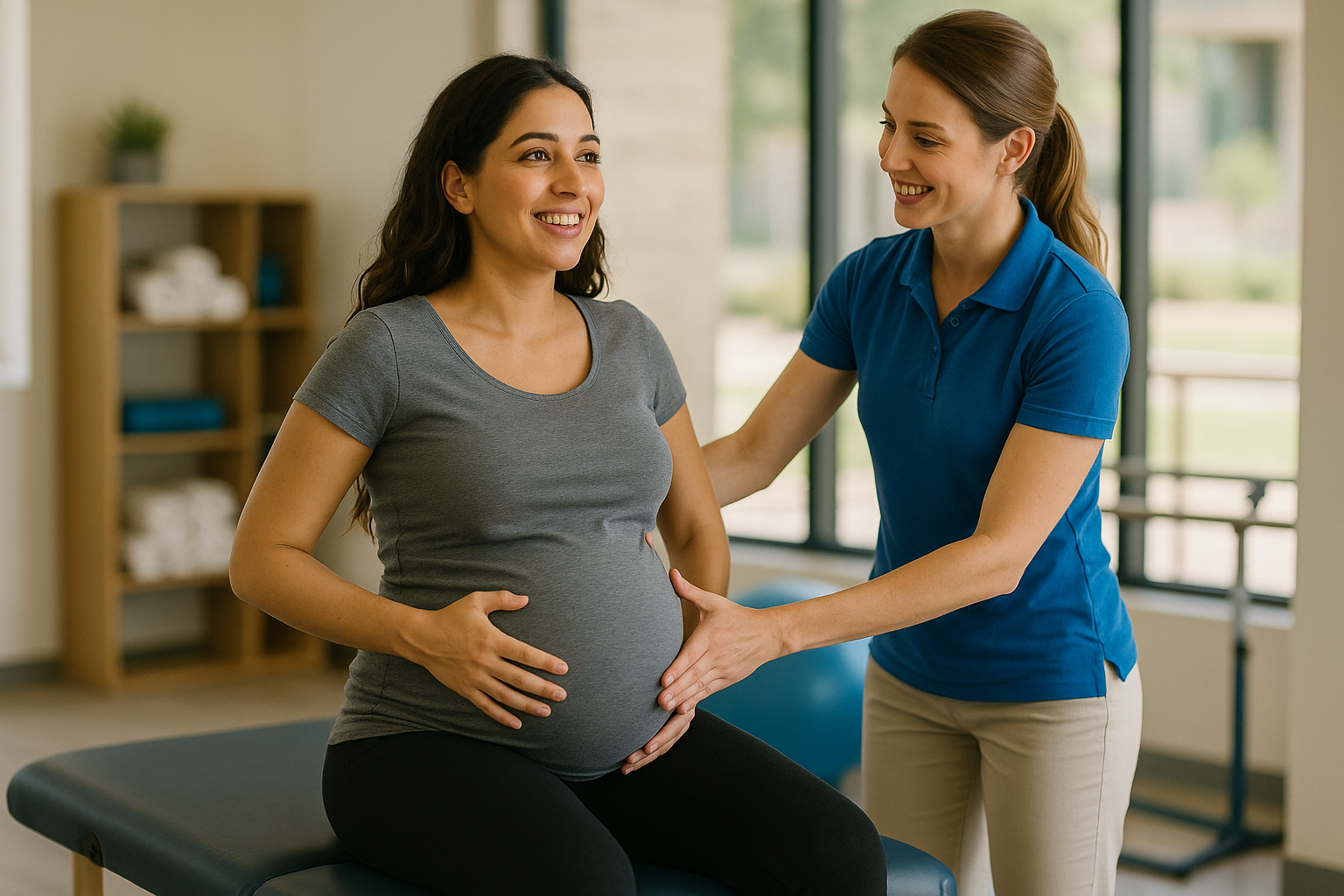
Pregnancy is a transformative journey, a time of incredible change and anticipation. As your body nurtures new life, it undergoes profound physical and hormonal shifts. While miraculous, these changes can bring about discomfort, pain, and uncertainty about your body's capabilities. This is where specialized physiotherapy becomes an invaluable partner. Far from being a luxury, understanding how physiotherapy helps during pregnancy is the first step toward a more comfortable, confident, and empowered experience. It provides the expert, doctor-led support you need to navigate the physical demands of pregnancy, prepare for labor, and lay the groundwork for a smooth postpartum recovery.
Navigating the Physical Changes: Easing Pregnancy-Related Discomfort
As your baby grows, your body’s center of gravity shifts forward, your ligaments soften due to the hormone relaxin, and the weight on your spine and pelvis increases. This combination often leads to a host of musculoskeletal complaints that can significantly impact your quality of life. A physiotherapist specializing in women's health is expertly trained to identify the root cause of these issues and provide safe, effective relief.
The goal is not to simply manage symptoms but to correct the underlying imbalances causing them. This is achieved through a combination of hands-on manual therapy to release tight muscles and mobilize stiff joints, postural education to help you adapt to your changing body, and personalized exercises to build support where it's needed most. This proactive approach ensures that pain is addressed effectively, preventing it from becoming a chronic issue throughout your pregnancy and beyond.
Common conditions effectively treated by pregnancy physiotherapy include:
- Lower Back Pain: Often caused by the forward shift in weight and stretching of abdominal muscles.
- Pelvic Girdle Pain (PGP) or Symphysis Pubis Dysfunction (SPD): Sharp pain in the front or back of the pelvis, made worse by walking, climbing stairs, or turning in bed.
- Sciatica: Pain, tingling, or numbness radiating from the lower back down the leg, caused by pressure on the sciatic nerve.
- Round Ligament Pain: Sharp, jabbing pain in the lower belly or groin area.
- Carpal Tunnel Syndrome: Numbness and tingling in the hands and wrists due to fluid retention and nerve compression.
Pro Tip: Consciously think about "stacking" your body. Align your ears over your shoulders, shoulders over your hips, and hips over your ankles, whether standing or sitting. Use pillows for support when sleeping to maintain a neutral spine.
Building Strength & Stamina for Labor and Delivery
Childbirth is a physically demanding event, often compared to running a marathon. Just as an athlete trains for a race, you can prepare your body for the rigors of labor. Physiotherapy plays a crucial role in this preparation, moving beyond pain relief to actively building strength, endurance, and body awareness. This is where a program of specialized women’s health exercises becomes essential.
A physiotherapist will design a safe and effective exercise plan tailored to your specific needs and stage of pregnancy. This plan focuses on strengthening the key muscle groups involved in labor and delivery:
- The Core: This includes the deep abdominal muscles (transversus abdominis), the diaphragm, the multifidus in your back, and the pelvic floor. A strong, coordinated core provides stability for your pelvis and spine and helps you push effectively during labor.
- The Glutes: Strong gluteal muscles are vital for pelvic stability, helping to prevent back and pelvic pain and supporting proper alignment.
- The Upper Body: Strength in your back and arms is important for maintaining good posture and for the physical demands of holding and caring for a newborn.
In addition to strength, your physiotherapist will teach you crucial breathing techniques and laboring positions. Learning how to connect your breath to your core and pelvic floor can help manage pain during contractions and facilitate a more efficient delivery. They can also guide you and your partner on various positions that can open the pelvis, use gravity to your advantage, and reduce discomfort during labor. For a broader look at the advantages, many sources outline the extensive benefits of physical therapy for pregnancy.
The Core of Your Well-being: A Deep Dive into Pelvic Floor Therapy
The pelvic floor is a group of muscles that form a supportive sling at the base of your pelvis. These muscles are unsung heroes, responsible for supporting your bladder, uterus, and bowel; maintaining continence; and playing a key role in sexual function. During pregnancy and childbirth, they are placed under immense strain. This is why specialized pelvic floor therapy is a non-negotiable component of comprehensive prenatal and postnatal care.
Many women experience issues like stress urinary incontinence (leaking urine when coughing, sneezing, or exercising) during or after pregnancy. While common, it is not normal and is a sign that the pelvic floor needs attention. A women’s health physiotherapist can perform a thorough assessment to determine if your pelvic floor muscles are weak, overly tight, or poorly coordinated.
Based on this assessment, they will create a personalized treatment plan that may include:
- Targeted Exercises: This goes beyond simply being told to "do your Kegels." A physiotherapist will ensure you are activating the correct muscles and, just as importantly, learning how to fully relax them—a crucial skill for childbirth.
- Manual Therapy: Gentle internal and external techniques can be used to release tension in tight pelvic floor muscles.
- Biofeedback: This technology can help you better understand and connect with your pelvic floor muscles, improving the effectiveness of your exercises.
- Perineal Massage: Your therapist can teach you techniques to perform in the final weeks of pregnancy to help increase the elasticity of the perineal tissues, potentially reducing the risk of tearing during delivery.
Expert Insight: "Your pelvic floor needs to be both strong and flexible. A physiotherapist can determine exactly what your body needs, ensuring you're not just strengthening an already tight muscle, which could be counterproductive for labor."
The Fourth Trimester and Beyond: Your Guide to Safe Recovery Routines
The journey doesn't end after delivery. The postpartum period, often called the "fourth trimester," is a critical time for healing and rehabilitation. Your body has been through a monumental event, and it needs guided care to recover optimally. Postnatal physiotherapy focuses on creating safe recovery routines that restore function and strength without causing injury.
One of the most common postpartum concerns is Diastasis Recti, the separation of the rectus abdominis muscles. A physiotherapist can assess the degree of separation and provide a specific program to safely rebuild core tension and close the gap. They also play a vital role in C-section recovery, using techniques like scar tissue massage to improve mobility, reduce adhesions, and restore sensation around the incision site.
Returning to exercise is a major goal for many new mothers, but it must be done with care. Jumping back into high-impact activities too soon can lead to pelvic floor dysfunction or injury. A physiotherapist will guide you through a gradual and progressive return to activity, ensuring your core and pelvic floor are ready to handle the load. This structured approach helps you regain strength and fitness safely, setting you up for long-term health and well-being as you embrace the physical demands of motherhood.
The Physio Cure Dubai Difference: Doctor-Led, Personalized Women's Health Care
At Physio Cure Dubai, we believe that every woman deserves expert, compassionate, and highly personalized care throughout her pregnancy and postpartum journey. Our clinic is built on a foundation of doctor-led treatments, meaning your entire journey—from assessment to diagnosis to hands-on therapy—is managed by a licensed Doctor of Physical Therapy, not a technician.
Our approach centers on a root-cause diagnosis. We don't just treat your back pain; we investigate why it's happening and create a 100% personalized plan to correct the underlying issue for lasting relief. Our Senior Physiotherapist, Dr. Shaimaa Hamdalla, is renowned for her holistic and patient-centered methods in women's health, postpartum recovery, and chronic pain management. She combines evidence-based practices with a deep understanding of the unique challenges women face, empowering them with the knowledge and tools to feel strong and capable in their bodies.
We integrate advanced modalities like manual therapy, dry needling, and cupping with targeted exercise prescription and patient education. This holistic, evidence-based approach ensures you receive the highest standard of care, tailored to your unique condition, lifestyle, and goals.
Your journey to an empowered and comfortable pregnancy starts here. Take the first step towards feeling your best by booking a consultation with our women's health specialists. Discover how personalized, doctor-led physiotherapy can transform your experience today.
Frequently Asked Questions
Need Help With Your Recovery?
Book a free consultation with our expert physiotherapists.
Related Articles
Endometriosis Pain Relief with Doctor-Led Physiotherapy
Endometriosis pain doesn't have to rule your life. Physiotherapy targets root causes, releases pelvic tension, and restores comfort. Book a consult today.
15 min read
Pregnancy Back Pain Relief: Doctor-Led Physiotherapy Guide
Discover doctor-led physiotherapy for pregnancy lower back pain relief. Gain root diagnosis, customized exercises, and guidance for a pain-free journey.
13 min read
Post-C-Section Physiotherapy: Rebuild Core & Confidence
Recover safely after your cesarean with doctor-led post-C-section physiotherapy. Heal scar tissue, restore core strength, and prevent pain with a tailored plan.
13 min read