
Endometriosis Pain Relief with Doctor-Led Physiotherapy
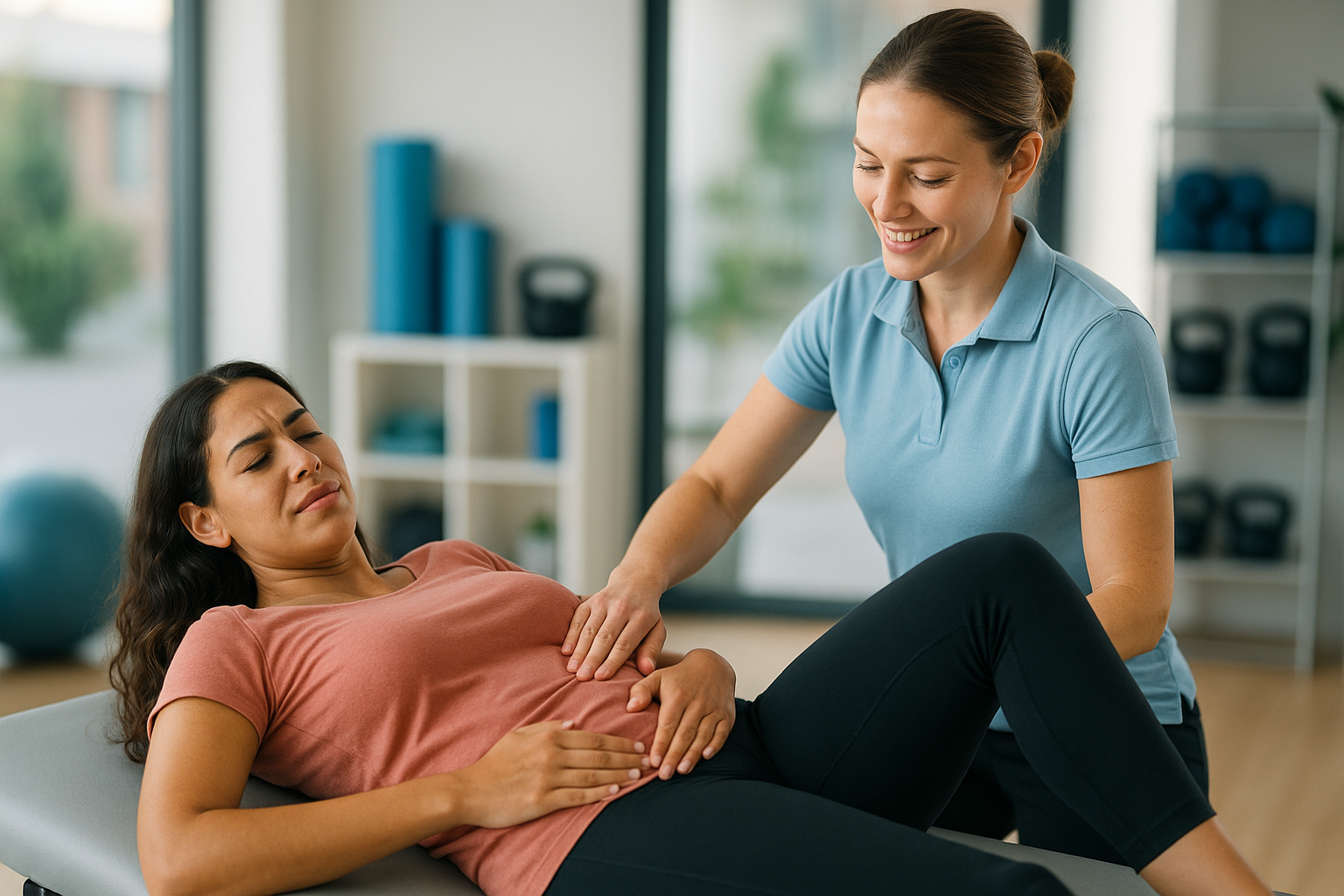
Living with endometriosis often means navigating a complex and persistent landscape of pain that can impact every aspect of your life. This chronic condition, affecting millions of women worldwide, frequently leads to debilitating pelvic pain, severe cramping, and a host of secondary musculoskeletal issues. While there is no cure for endometriosis itself, a powerful, non-invasive solution exists to manage its painful symptoms and significantly improve your quality of life. A specialized approach using physiotherapy for endometriosis pain offers a holistic, evidence-based path to relief, empowering you to regain control over your body and well-being. At Physio Cure Dubai, our doctor-led team is dedicated to providing this specialized care, focusing on the root cause of your discomfort.
Understanding the Complex Web of Endometriosis Pain
To appreciate how physiotherapy can help, it's essential to understand why endometriosis causes such widespread pain. The condition involves tissue similar to the lining of the uterus growing outside of it, on organs like the ovaries, fallopian tubes, and pelvic lining. This tissue responds to hormonal cycles, leading to inflammation, scarring (adhesions), and intense pain. However, the discomfort isn't just from the lesions themselves. The body's response creates a cascade of musculoskeletal problems:
- Visceral Pain: This is the deep, cramping pain originating from the affected organs and endometrial lesions.
- Muscular Guarding and Tension: In response to chronic pain, the muscles of the pelvic floor, abdomen, hips, and lower back instinctively tighten or "guard." Over time, this constant tension leads to muscle fatigue, trigger points (painful knots), and a cycle of escalating pain.
- Nerve Sensitization: Chronic pain signals can make the central nervous system hypersensitive. This means the brain perceives stimuli as more painful than they should be, and nerves in the pelvic region can become irritated or compressed by tight muscles and scar tissue.
- Postural Dysfunction: To avoid pain, you might unconsciously alter how you sit, stand, and move. These compensatory postures can strain other parts of your body, leading to secondary back pain, hip pain, and sciatica-like symptoms.
A successful treatment plan must address this entire web of issues, not just the primary symptom. This is where a holistic and specialized physiotherapy approach becomes indispensable.
The Physio Cure Difference: A Doctor-Led, Root-Cause Approach
Not all physiotherapy is the same, especially when dealing with a condition as complex as endometriosis. At Physio Cure Dubai, our care is built on a foundation of deep expertise and a commitment to lasting results. Our core philosophy emphasizes a doctor-led model where your entire journey—from initial assessment to final treatment—is handled by a licensed Doctor of Physical Therapy, not a technician. This ensures the highest level of diagnostic accuracy and clinical skill.
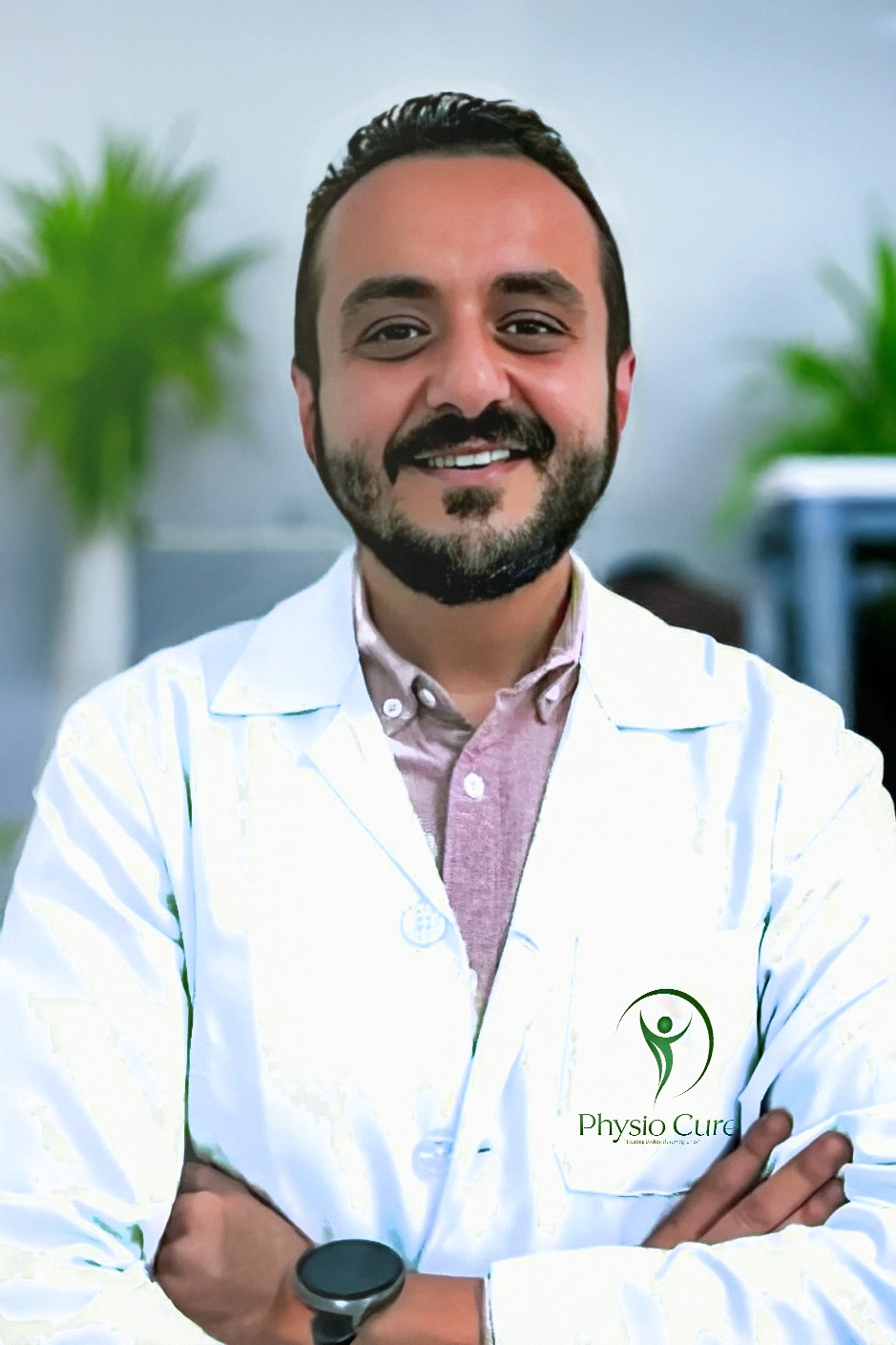
Our Senior Physiotherapist, Dr. Shaimaa Hamdalla, specializes in Women's Health, bringing a wealth of experience in managing postpartum recovery, chronic pain, and postural dysfunctions—all of which are critically relevant to endometriosis care. The treatment you receive is guided by our principle of Root-Cause Diagnosis. We don't just aim to temporarily soothe your pain; we conduct a comprehensive assessment to identify the underlying musculoskeletal drivers of your symptoms. Is it an overactive pelvic floor? Are adhesions restricting organ mobility? Is a compensatory posture straining your lower back? By answering these questions, we create a 100% Personalized Care plan tailored to your unique anatomy, symptoms, and life goals.
Key Insight: Effective endometriosis pain management requires a shift from symptom management to treating the underlying musculoskeletal dysfunction. A personalized plan from a specialized doctor of physiotherapy is the cornerstone of this approach.
Core Techniques in Physiotherapy for Endometriosis Pain Physiotherapy
A specialized physiotherapist employs a variety of techniques to address the multifaceted nature of endometriosis pain. These interventions are designed to release tension, restore mobility, and retrain muscles for optimal function.
Manual (Hands-On) Therapy: The Cornerstone of Treatment
This is where the therapist's skilled touch makes a profound difference. Manual therapy for endometriosis focuses on the soft tissues and structures in and around the pelvis.
- Myofascial Release: This technique applies gentle, sustained pressure to the fascia—the connective tissue that surrounds muscles and organs. It helps to release restrictions and adhesions caused by inflammation and scarring, improving flexibility and reducing pain.
- Visceral Mobilization: A gentle technique used to assess and improve the mobility of the pelvic and abdominal organs. Adhesions can "glue" organs together, and this therapy helps restore their natural movement, easing deep-seated pain and improving organ function.
- Trigger Point Therapy & Dry Needling: This focuses on deactivating painful knots within muscles. A therapist may use manual pressure or advanced techniques like Dry Needling, where a thin filament needle is inserted into the trigger point to release tension and decrease pain signals.
Advanced Pelvic Floor Therapy
The pelvic floor muscles are often ground zero for endometriosis pain. Contrary to popular belief, the goal is not always to strengthen these muscles with Kegels. For many women with endometriosis, the pelvic floor is hypertonic, or too tight. In these cases, pelvic floor therapy focuses on "down-training"—teaching the muscles to relax and release. This is crucial for alleviating pain during intercourse, urination, and bowel movements. A specialized physiotherapist will assess your specific needs and guide you through targeted relaxation and coordination exercises.
Spinal Mobilization and Postural Re-education
To address the secondary back and hip pain, your physiotherapist will assess your spinal mobility and posture. Gentle spinal mobilizations can help relieve joint stiffness in the lower back. This is combined with exercises and education to correct compensatory postures, ensuring that your body moves in a more balanced and efficient way, which reduces strain and prevents future pain cycles.
Empowering Through Movement: Women's Health Exercises and Safe Recovery Routines
While intense exercise can sometimes trigger a flare-up, the right kind of movement is a powerful tool for managing endometriosis. A physiotherapist will help you build safe recovery routines that reduce pain and improve overall health. The focus is on consistency and listening to your body.
Gentle, Low-Impact Aerobic Activity
Activities like walking, swimming, or gentle cycling are excellent for women's health. They increase blood flow, which helps deliver oxygen to tissues and flush out inflammatory substances. Aerobic exercise also releases endorphins, the body's natural painkillers, which can improve mood and reduce pain perception without stressing the pelvic region.
Mindful Movement and Stretching
Practices like yoga and Tai Chi are particularly beneficial as they combine gentle stretching with mindfulness and deep breathing. Specific yoga poses can help open the hips and gently stretch the pelvic floor and abdominal muscles. The mindfulness component helps calm the nervous system, reducing stress-induced flare-ups and altering the brain's perception of pain. Your physiotherapist can guide you on which poses are safe and most effective for you.
Pro Tip: When it comes to exercise for endometriosis, consistency is more important than intensity. Aim for gentle movement most days of the week, and always be prepared to modify your routine based on how you feel that day.
Targeted Strength Training
This isn't about heavy lifting. It's about building stability and support around the pelvis. Gentle resistance exercises focusing on the deep core muscles (like the transverse abdominis), glutes, and back muscles help improve posture and reduce the load on the pelvic floor and lower back. A stronger support system means less strain and less pain over time.
Your Path to Recovery: What to Expect
Embarking on a physiotherapy journey can feel daunting, but a structured process ensures you are supported every step of the way. At Physio Cure Dubai, the patient journey is clear and collaborative. It begins with a comprehensive assessment to understand your unique pain patterns and limitations. From there, your doctor of physiotherapy will perform a detailed diagnosis to identify the root causes. This collaborative process leads to the creation of your personalized treatment plan, which is a dynamic roadmap combining hands-on therapy, guided exercise, and crucial patient education on self-management strategies. This structured, evidence-based process is designed not just for temporary relief but for long-term empowerment. As recent research confirms, physiotherapy techniques, especially when applied by a specialist, can significantly reduce pain and improve the quality of life for women with endometriosis.
You don't have to navigate endometriosis pain alone. If you're ready to take a proactive step towards lasting relief, discover how our personalized physiotherapy for endometriosis pain can transform your life. Contact Physio Cure Dubai to book your free initial consultation with our Women's Health specialists today.
Frequently Asked Questions
Need Help With Your Recovery?
Book a free consultation with our expert physiotherapists.
Related Articles
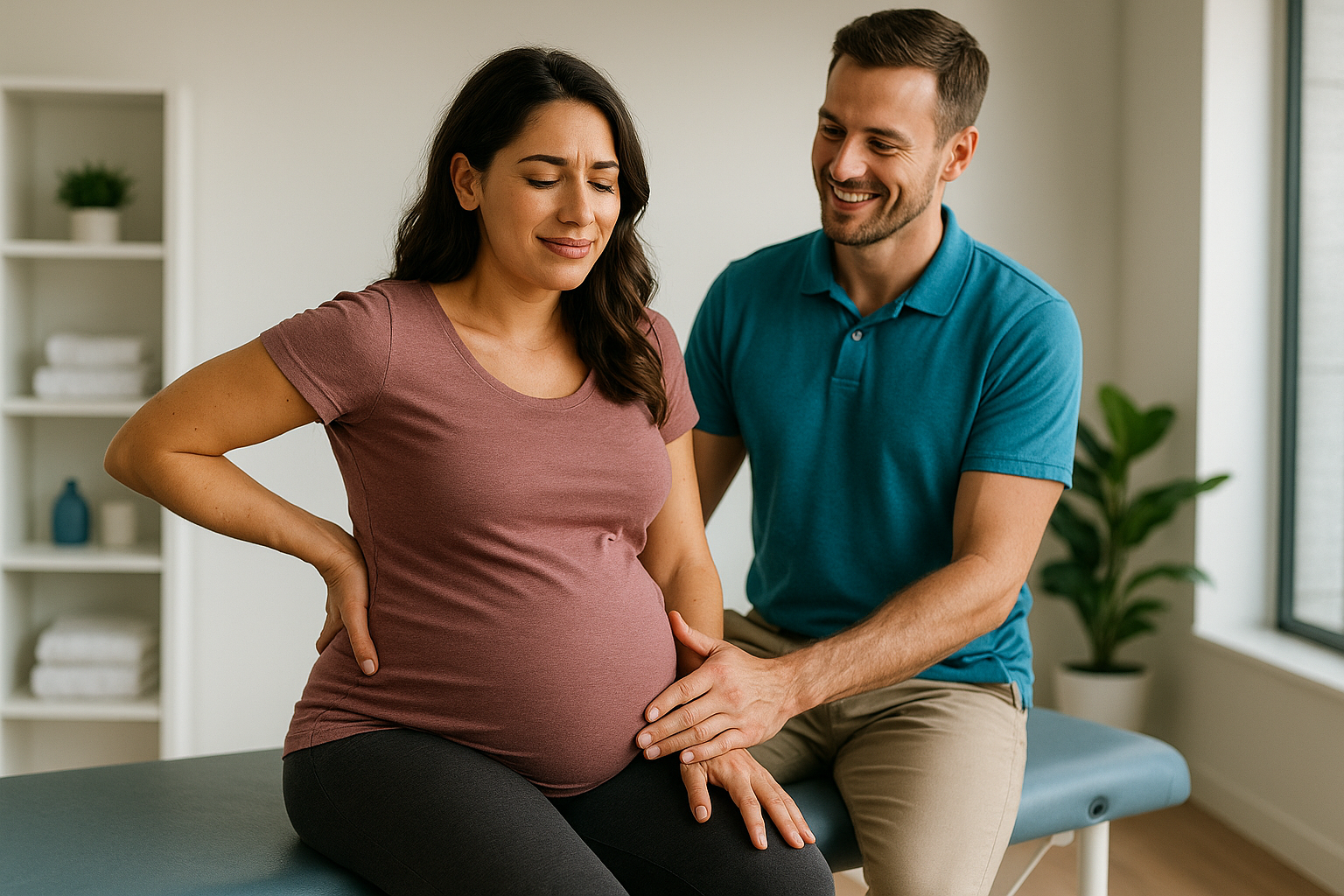
Pregnancy Back Pain Relief: Doctor-Led Physiotherapy Guide
Discover doctor-led physiotherapy for pregnancy lower back pain relief. Gain root diagnosis, customized exercises, and guidance for a pain-free journey.
13 min read
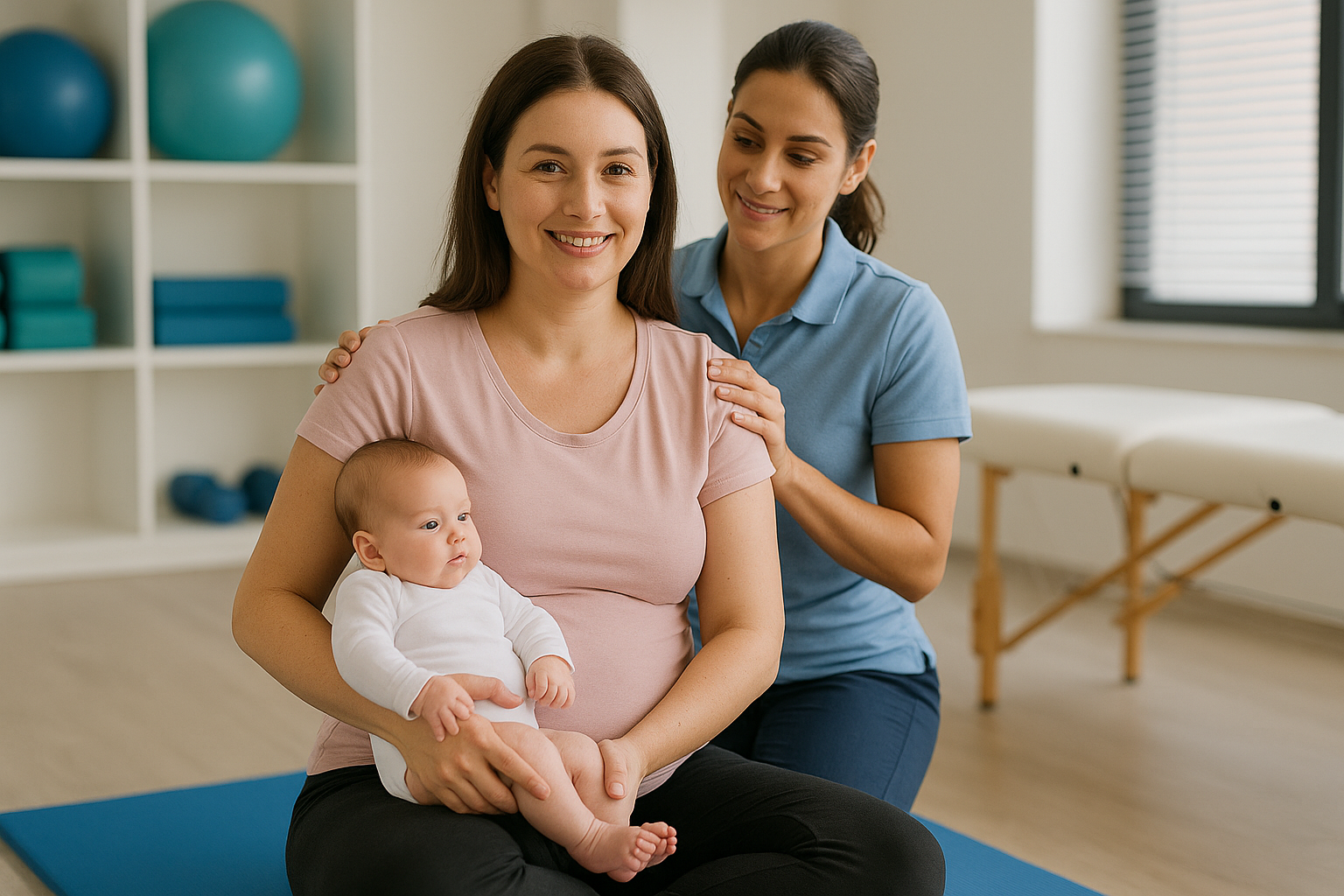
Post-C-Section Physiotherapy: Rebuild Core & Confidence
Recover safely after your cesarean with doctor-led post-C-section physiotherapy. Heal scar tissue, restore core strength, and prevent pain with a tailored plan.
13 min read
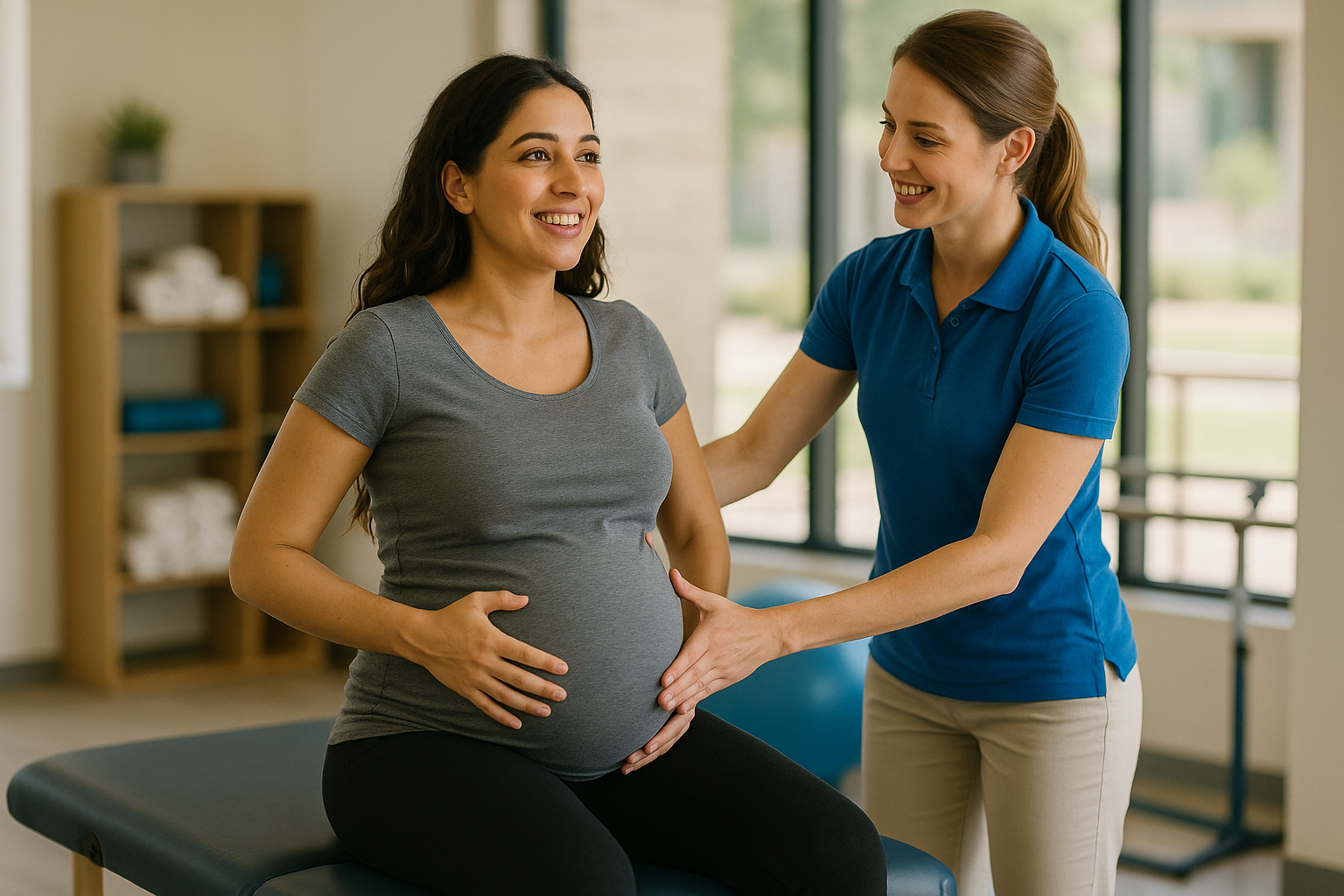
Physiotherapy During Pregnancy: Pain Relief & Birth Prep
Doctor-led prenatal physiotherapy eases pelvic pain, builds core and pelvic floor strength, and prepares you for smoother labor and faster postpartum recovery.
14 min read