
Post-C-Section Physiotherapy: Rebuild Core & Confidence
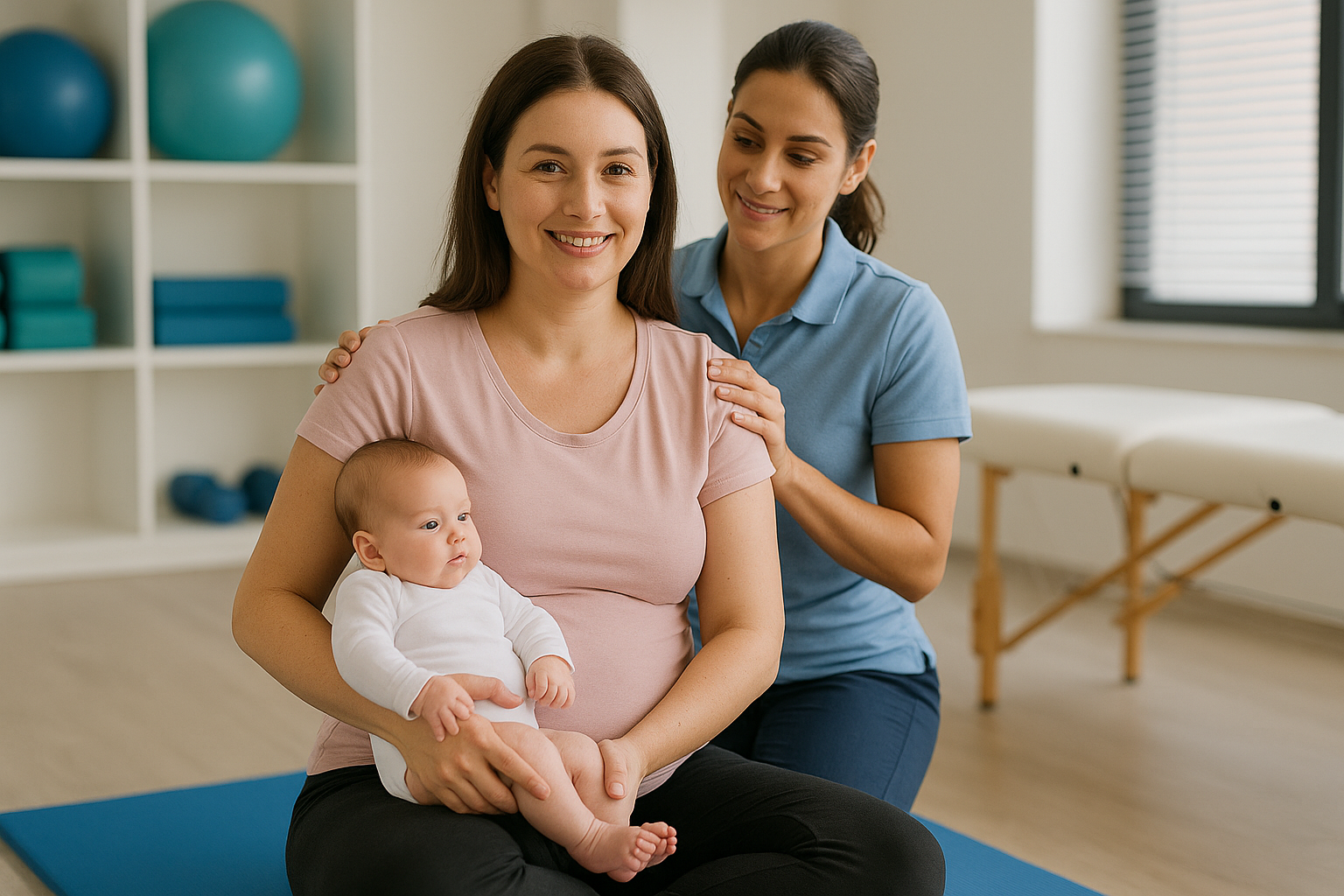
Welcoming a new baby is a monumental life event, and for many mothers, this journey includes a cesarean section. While the focus is rightly on your newborn, your own recovery is paramount. A C-section is major abdominal surgery, and the path to healing requires specialized, compassionate care. Understanding the crucial role of a dedicated post-c-section physiotherapy program is the first step toward rebuilding your strength, restoring function, and embracing motherhood with confidence and comfort. This guide provides a comprehensive overview of how a structured, doctor-led approach can transform your postpartum recovery experience, ensuring you heal correctly from the inside out.
Why a Cesarean Delivery Demands a Specialized Recovery Plan
It’s essential to reframe how we view a C-section. It isn't just a method of delivery; it's significant abdominal surgery that impacts multiple layers of tissue, including skin, fat, fascia, and the uterine wall. The abdominal muscles are carefully moved aside, but the entire core system—which includes the diaphragm, pelvic floor, and deep abdominal muscles—is profoundly affected. This is why a generic fitness plan is insufficient and can even be harmful. A specialized recovery plan addresses the unique challenges of C-section healing.
The focus of post-surgical physiotherapy is not just on the visible scar. It is about restoring the entire core's function, which is vital for everything from lifting your baby to walking without pain. Research consistently shows the benefits; one study highlighted that women who received physical therapy after a C-section reported significantly lower pain levels and improved ability to exercise compared to those who only received standard care. At Physio Cure Dubai, our approach begins with a root-cause diagnosis, ensuring we understand the full picture of your body's needs before creating a 100% personalized care plan.
Your Post-C-Section Physiotherapy Timeline: A Phased Approach to Healing
Recovery is not a race. A structured, phased approach ensures that you are healing and strengthening your body safely, without putting undue stress on your incision or deep tissues. The timeline can vary for each individual, but it generally follows a clear progression.
Phase 1: The Immediate Post-Op Phase (First 6 Weeks) – Gentle Foundations
The first six weeks are about rest, gentle activation, and protecting your healing body. The goal is not to "work out" but to gently re-establish the connection between your brain and your core and pelvic floor muscles. Under the guidance of a physiotherapist, this phase focuses on:
- Diaphragmatic (Belly) Breathing: This is the cornerstone of core recovery. It helps to gently engage the transverse abdominis (your deep core muscle), reduce abdominal pressure, and promote relaxation.
- Pelvic Floor Contractions (Kegels): As soon as your catheter is removed, you can begin gentle pelvic floor exercises to help restore support to your pelvic organs and improve bladder control.
- Posture and Body Mechanics: A physiotherapist will teach you how to get in and out of bed, lift your baby, and feed comfortably without straining your incision.
- Gentle Mobility: Short, slow walks are encouraged to promote circulation and prevent blood clots. Start with a few minutes and gradually increase as you feel able.
Patience is key. Your body has performed a miracle and undergone major surgery. Allow it the time and professional support it needs to heal correctly, laying a strong foundation for future strength.
Phase 2: The Early Strengthening Phase (6-12 Weeks) – Building Back Your Core
After your 6-week medical check-up, and with clearance from your doctor, you can begin a more structured strength and mobility program. A physiotherapist will first conduct a thorough assessment, checking your scar, abdominal muscle separation (diastasis recti), and pelvic floor function. This assessment is critical for creating a safe recovery plan. Exercises in this phase may include:
- Pelvic Tilts: Lying on your back, you gently flatten your lower back into the floor to re-engage deep abdominal muscles.
- Heel Slides: A controlled movement to challenge core stability without creating intra-abdominal pressure.
- Glute Bridges: This exercise strengthens the glutes and hamstrings, which are crucial for supporting the pelvis and lower back.
- Scar Mobilization: Your physiotherapist can teach you gentle massage techniques to prevent scar tissue from becoming tight and restricted, which can cause pain and limit movement.
Phase 3: The Progressive Strength & Mobility Program (3 Months & Beyond)
As you continue to get stronger, your physiotherapist will adapt and progress your program. This phase is about building functional strength that translates to your daily life and prepares you for a return to higher-impact exercise if that is your goal. This may involve incorporating exercises like squats, lunges, and light resistance training, all while monitoring for any signs of pain, pressure, or instability. This is where a truly personalized strength & mobility program makes all the difference, ensuring you meet your goals safely.
The Physio Cure Dubai Difference: A Doctor-Led, Holistic Approach
Navigating postpartum recovery can be overwhelming, which is why the expertise of your healthcare provider matters so much. At Physio Cure Dubai, we are proud to be Dubai's Premier Doctor-Led Physiotherapy Clinic. This means your entire journey—from the initial assessment to the final treatment—is handled by licensed doctors of physical therapy, not technicians. This ensures the highest level of diagnostic accuracy and care.
Our Women's Health program, led by specialists like Dr. Shaimaa Hamdalla, is built on a holistic and patient-centered philosophy. We understand that postpartum recovery is not just physical. We listen to your concerns, understand your lifestyle and goals, and use evidence-based practices combined with advanced technology to create your recovery plan. Our commitment to 100% personalized care means your treatment is as unique as you are.
Remember, common does not mean normal. Issues like urinary leakage, a persistent "mummy tummy," or pain during intimacy after a C-section are highly treatable with the right expert care. You don't have to accept them as your new normal.
Navigating Your Return to Fitness: A Guide to Safe Post-Surgery Physiotherapy Exercises
The eagerness to return to a pre-pregnancy fitness routine is understandable, but caution is vital. Pushing too hard, too soon can lead to setbacks, including hernias, increased pain, or pelvic floor dysfunction. Here’s a general guide on what to embrace and what to avoid.
What to Do: Focus on Low-Impact Movement
For the first 4-6 months, your focus should be on low-impact cardiovascular exercise that doesn't place high stress on your healing abdomen. Excellent options include:
- Walking: The most accessible and beneficial form of early exercise.
- Swimming and Water Aerobics: The buoyancy of water supports your body, making it an ideal environment for movement once your incision is fully healed and cleared by your doctor.
- Stationary Cycling or Elliptical Training: These provide a good cardiovascular workout without the jarring impact of running.
What to Avoid: Protecting Your Core
Certain exercises create significant intra-abdominal pressure, which can strain your abdominal wall and pelvic floor. It is crucial to avoid these until a physiotherapist has confirmed your core is strong and coordinated enough to handle them. Avoid the following, especially in the first 3-4 months:
- Crunches, sit-ups, and Russian twists.
- Full planks and traditional push-ups.
- Heavy lifting.
- High-impact exercises like running, jumping, and HIIT workouts.
Your recovery from a C-section is a unique and personal journey. By prioritizing specialized physiotherapy, you are investing in your long-term health and well-being, enabling you to enjoy the precious early years of motherhood feeling strong, capable, and pain-free. A guided, expert-led approach empowers you to heal properly, preventing future complications and allowing you to return to the activities you love with confidence.
Ready to begin your journey to a strong and confident postpartum recovery? Contact Physio Cure Dubai today to schedule your initial consultation and discover our personalized, doctor-led post-c-section physiotherapy programs.
Frequently Asked Questions
Need Help With Your Recovery?
Book a free consultation with our expert physiotherapists.
Related Articles
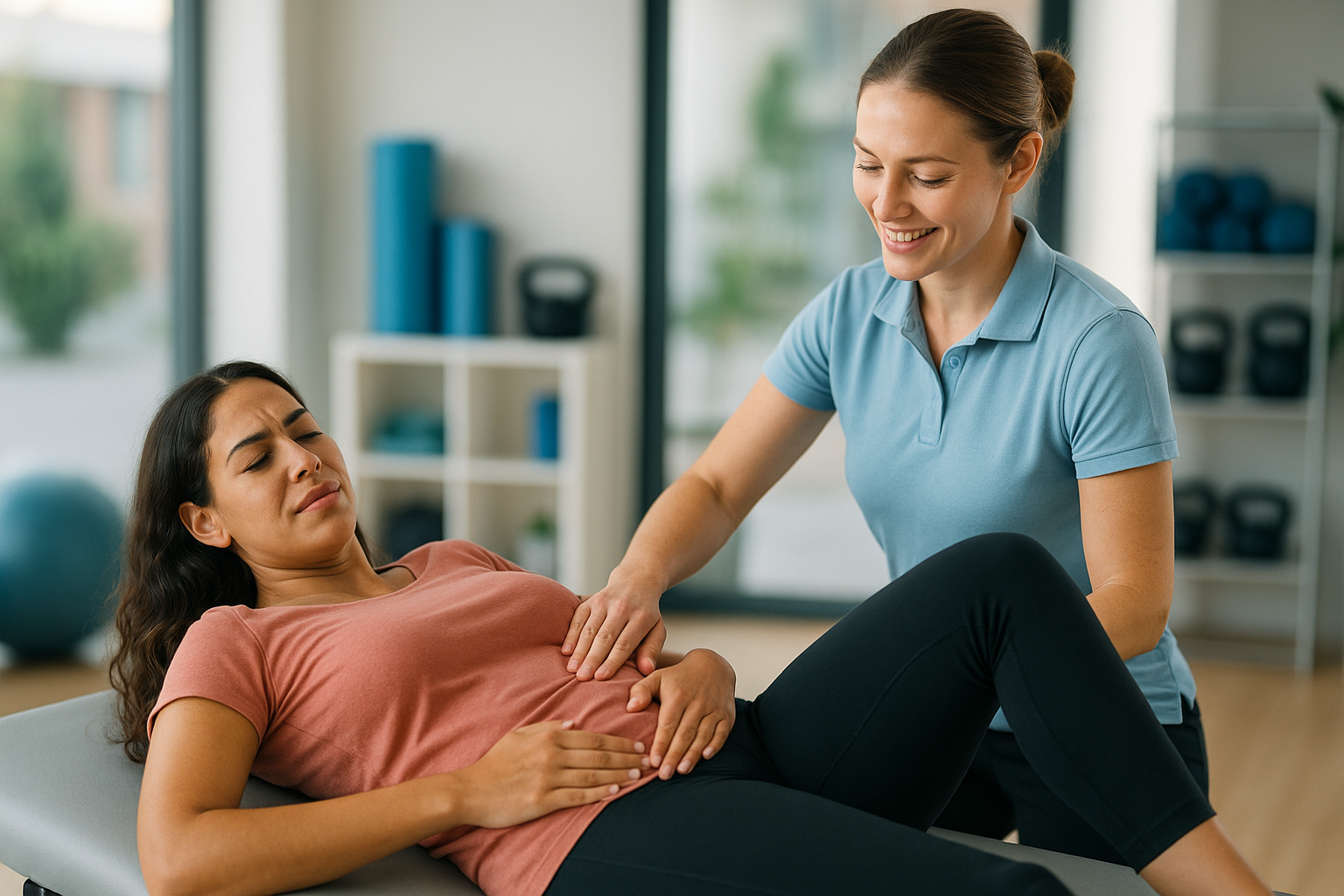
Endometriosis Pain Relief with Doctor-Led Physiotherapy
Endometriosis pain doesn't have to rule your life. Physiotherapy targets root causes, releases pelvic tension, and restores comfort. Book a consult today.
15 min read
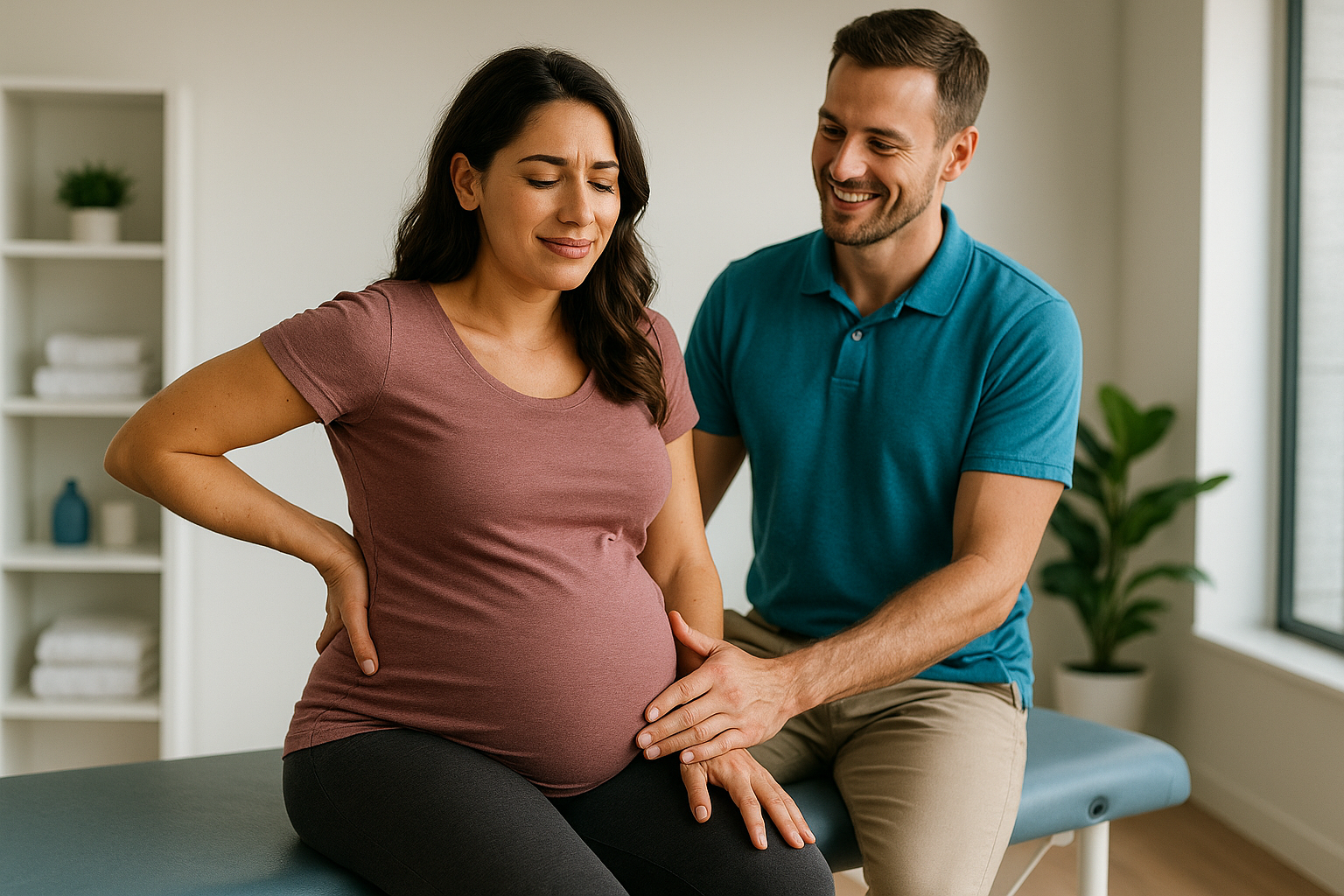
Pregnancy Back Pain Relief: Doctor-Led Physiotherapy Guide
Discover doctor-led physiotherapy for pregnancy lower back pain relief. Gain root diagnosis, customized exercises, and guidance for a pain-free journey.
13 min read
Physiotherapy During Pregnancy: Pain Relief & Birth Prep
Doctor-led prenatal physiotherapy eases pelvic pain, builds core and pelvic floor strength, and prepares you for smoother labor and faster postpartum recovery.
14 min read