
Diastasis Recti Recovery: Doctor-Led Physiotherapy Guide
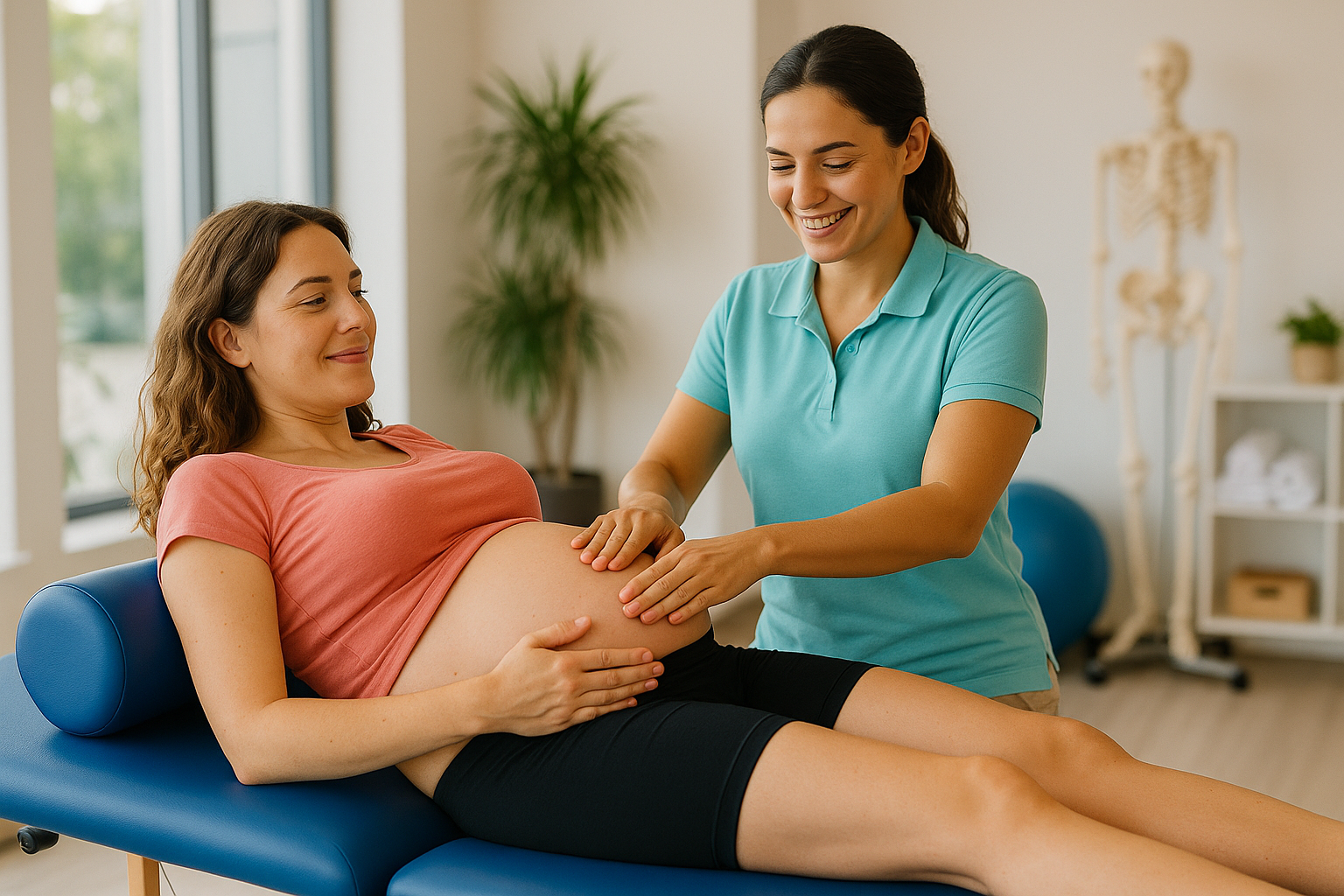
Pregnancy is a transformative journey, but the physical changes can leave many women feeling disconnected from their bodies postpartum. One of the most common, yet often misunderstood, conditions is diastasis recti—the separation of the abdominal muscles. While it can be a source of frustration and concern, leading to a "mummy tummy" appearance, back pain, and core weakness, there is a powerful and effective path to recovery. The key lies in understanding that healing is not about endless crunches. It's about a specialized, respectful, and evidence-based approach. This guide will explore the essentials of managing diastasis recti with physiotherapy, empowering you with the knowledge to rebuild your core strength safely and confidently at Dubai's premier doctor-led physiotherapy clinic.
Understanding Diastasis Recti: More Than Just an Aesthetic Concern
Diastasis recti (DR) is the partial or complete separation of the rectus abdominis muscles, which meet at the midline of your stomach. This separation occurs due to the stretching of the linea alba, the connective tissue that joins these "six-pack" muscles. During pregnancy, the growing uterus, combined with hormonal changes that soften connective tissues, exerts significant pressure on the abdominal wall, causing it to stretch and thin.
While this is a natural adaptation to accommodate a growing baby, the tissue doesn't always return to its original state postpartum. The result is a gap that can range from small to quite significant. This isn't merely a cosmetic issue. The core is the central pillar of your body's stability and strength. When the abdominal muscles are separated and the connective tissue is weakened, the entire core canister—which includes the diaphragm, pelvic floor, and deep abdominal muscles—cannot function optimally. This can lead to a cascade of functional problems, including:
- Persistent lower back pain due to lack of anterior support for the spine.
- Pelvic floor dysfunction, contributing to issues like urinary incontinence.
- Poor posture and compensatory movement patterns.
- Reduced functional strength for daily activities like lifting a child or carrying groceries.
- In some cases, gastrointestinal issues or a higher risk of hernias.
Recognizing these symptoms is the first step toward seeking the right help. The goal is not just to "close the gap," but to restore deep core function, stability, and confidence in your body.
The Physio Cure Difference: Why Doctor-Led Physiotherapy is Essential
In the age of online fitness gurus, it's tempting to search for a "quick fix" for diastasis recti. However, this is a condition where incorrect exercises can do more harm than good. Traditional abdominal workouts like crunches, sit-ups, and even some plank variations can increase intra-abdominal pressure, forcing the abdominal contents outward and potentially worsening the separation. This is why a one-size-fits-all approach is not only ineffective but potentially damaging.
At Physio Cure Dubai, our core philosophy is built on doctor-led, 100% personalized care. Our treatments are performed by licensed Doctors of Physical Therapy, like our Women’s Health specialist Dr. Shaimaa Hamdalla, who possess the advanced knowledge to conduct a thorough assessment, provide a root-cause diagnosis, and design a truly customized treatment plan. Your journey begins with a comprehensive evaluation where we assess not just the width and depth of the separation, but also your breathing patterns, pelvic floor function, posture, and overall movement strategies. This meticulous approach ensures that your program addresses the underlying source of the problem, paving the way for lasting relief and functional recovery.
Before starting any exercises, a thorough assessment by a specialized physiotherapist is crucial. This ensures the program is tailored to your specific gap size, core strength, and overall physical condition, creating a safe and effective recovery path.
Your Recovery Roadmap: Key Women’s Health Exercises and Techniques
Managing diastasis recti with physiotherapy isn't about a single magic exercise. It's a holistic and progressive process focused on re-establishing the connection and coordination of your entire core system. Our evidence-based programs are built around several key pillars:
- Deep Core Activation & Breathwork
The foundation of all healing is learning to correctly engage your deepest abdominal muscle, the transverse abdominis (TVA). This muscle acts like a natural corset, wrapping around your midsection to provide stability. We teach you how to activate it through diaphragmatic (belly) breathing, which coordinates the movement of your diaphragm and pelvic floor. This foundational skill is the cornerstone of all subsequent exercises. - Targeted Pelvic Floor Therapy
The pelvic floor is the base of your core canister. Diastasis recti and pelvic floor dysfunction often go hand-in-hand. Our specialized pelvic floor therapy involves teaching you how to properly contract (Kegel) and, just as importantly, relax these muscles. Restoring this balance is vital for supporting your organs, improving continence, and providing a stable base for core function. - Postural Correction & Alignment
How you stand, sit, and move throughout the day significantly impacts abdominal pressure. We work on retraining your posture to maintain a neutral spine, which reduces strain on the linea alba and allows the core muscles to function in their optimal alignment. This includes awareness of your rib cage position relative to your pelvis. - Progressive & Functional Strengthening
Once you've mastered the basics, we guide you through a carefully progressed series of exercises. These safe recovery routines are designed to build strength without creating harmful pressure. We move from simple, foundational movements like heel slides and glute bridges to more complex, functional exercises that mimic real-life activities, ensuring your newfound strength translates to your daily life. - Manual Therapy and Advanced Modalities
As part of our holistic approach, treatment may include hands-on manual therapy to release tight muscles in the back, hips, or abdomen that are contributing to dysfunction. Depending on your individual needs, we may also integrate modern modalities like Dry Needling or Cupping Therapy to address trigger points and improve tissue health.
Exercises to Embrace and Avoid for a Safe Recovery
A crucial part of physiotherapy is patient education—empowering you with the knowledge to make smart choices for your body. The goal is to avoid any movement that causes your abdomen to bulge or "cone" outwards, as this indicates excessive pressure on the weakened linea alba.
Exercises to Embrace (Under Guidance)
- Diaphragmatic Breathing: Lying on your back, inhale and let your belly expand. Exhale and feel your deep core muscles gently draw in and up.
- Pelvic Tilts: Gently rock your pelvis back to flatten your lower back against the floor, engaging your lower abdominals.
- Heel Slides: While maintaining a stable core, slowly slide one heel away from you along the floor, then return.
- Glute Bridges: Lift your hips off the floor, focusing on squeezing your glutes and keeping your core engaged to prevent your back from arching.
Exercises to Avoid (Initially)
- Crunches and Sit-ups: These create a forceful forward flexion that directly increases pressure on the linea alba.
- Standard Planks: The downward pull of gravity can be too much for a weakened core, causing coning. Modified, supported versions may be introduced later.
- Double Leg Lifts: This movement places immense strain on the lower abdominals and back.
- Heavy Lifting with Improper Form: Holding your breath or bearing down during exertion must be avoided.
As your core becomes stronger and more coordinated, your physiotherapist will guide you on how to safely reintroduce more challenging exercises. For a deeper look into specific movements, you can explore external resources that provide diastasis recti exercises, but always consult your therapist before trying them.
Healing isn't just about the exercises you do for 30 minutes a day; it's about integrating mindful movement into your everyday life. Pay attention to how you lift your baby, get out of bed, and carry groceries to support your core throughout the day.
Your body has performed the incredible feat of growing and birthing a child. The postpartum period is a time for healing, patience, and self-compassion. Managing diastasis recti is not about erasing the evidence of your journey, but about restoring function, eliminating pain, and rebuilding a strong, resilient core that can support you through all the demands of motherhood and beyond. With the right expert guidance, you can navigate this process safely and effectively, emerging stronger and more connected to your body than ever before.
Ready to reclaim your core strength and confidence? Our doctor-led team at Physio Cure Dubai, including specialists like Dr. Shaimaa Hamdalla, is here to guide you. Book your personalized assessment for managing diastasis recti and start your journey to a stronger, healthier you.
Frequently Asked Questions
Need Help With Your Recovery?
Book a free consultation with our expert physiotherapists.
Related Articles
Endometriosis Pain Relief with Doctor-Led Physiotherapy
Endometriosis pain doesn't have to rule your life. Physiotherapy targets root causes, releases pelvic tension, and restores comfort. Book a consult today.
15 min read
Pregnancy Back Pain Relief: Doctor-Led Physiotherapy Guide
Discover doctor-led physiotherapy for pregnancy lower back pain relief. Gain root diagnosis, customized exercises, and guidance for a pain-free journey.
13 min read

Post-C-Section Physiotherapy: Rebuild Core & Confidence
Recover safely after your cesarean with doctor-led post-C-section physiotherapy. Heal scar tissue, restore core strength, and prevent pain with a tailored plan.
13 min read