
Rotator Cuff Tear Physiotherapy | Stronger Shoulder Rehab

A sharp pain in your shoulder during a lift, a throw, or an overhead swing can bring your performance to a grinding halt. A rotator cuff tear isn't just an injury; it's a barrier between you and your athletic potential. For athletes, active adults, and anyone who refuses to be sidelined, understanding the recovery process is the first step toward a powerful comeback. This isn't about passive waiting; it's about a strategic, active recovery plan. At Physio Cure Dubai, we believe the most effective path back to peak performance is through our doctor-led, comprehensive physiotherapy for rotator cuff tears, a program designed not just to heal the injury, but to rebuild a stronger, more resilient athlete.
Decoding the Injury: Why Your Shoulder is on the Bench
The rotator cuff is a team of four muscles and their tendons that surround the shoulder joint, keeping the head of your upper arm bone firmly within the shallow socket of the shoulder. For athletes, this muscular group is the engine behind every throw, serve, swim stroke, and overhead press. It provides both stability and the dynamic power required for high-level performance. A tear occurs when one or more of these tendons are frayed or torn, either from a sudden, acute injury (like a fall or a heavy lift) or, more commonly, from repetitive stress and overuse that gradually weakens the tendon over time.
This isn't just a simple strain. A tear compromises the entire biomechanical chain of your shoulder, leading to pain, weakness, and a significant loss of function. Ignoring it is not an option for anyone serious about their physical activity. It can lead to further damage, chronic pain, and compensatory patterns that cause problems in your neck, back, and elbow. The goal isn't just to stop the pain; it's to address the mechanical failure and rebuild the system stronger than before.
Your Strongest Comeback: The Power of Doctor-Led, Non-Surgical Shoulder Treatment
In the world of rehabilitation, not all approaches are created equal. A generic, one-size-fits-all plan is a gamble with your recovery. At Physio Cure Dubai, we champion a philosophy built on precision and expertise. Our clinic is "Doctor-Led," meaning your entire journey—from initial assessment to final discharge—is managed by a licensed Doctor of Physical Therapy. This ensures a level of diagnostic accuracy and treatment planning that goes far beyond simply managing symptoms.
Our core principle is Root-Cause Diagnosis. We don't just ask "Where does it hurt?" We ask "Why does it hurt?" A rotator cuff tear is often the result of underlying issues: poor scapular stability, thoracic spine immobility, or faulty movement mechanics. Our experts, like Medical Director Dr. Mina Gamil who specializes in complex musculoskeletal and sports injuries, conduct a comprehensive evaluation to identify and correct these root causes. This commitment to 100% personalized care ensures your treatment plan is tailored specifically to your body, your sport, and your performance goals. This is the cornerstone of effective **non-surgical shoulder treatment** and the key to preventing re-injury.
Symptom management is a temporary fix. True recovery comes from correcting the underlying cause. We don't just treat the tear; we rebuild the athlete from the ground up for lasting performance.
The Game Plan: A Phase-by-Phase Guide to Physiotherapy for Rotator Cuff Tears Rehab
A successful recovery is a structured, progressive journey. Our rehabilitation programs are divided into distinct phases, each with specific goals to ensure you are safely and effectively building back your strength and function without risking a setback. Here’s what your comeback trail looks like:
Phase 1: The Acute Phase - Damage Control & Pain Management
Immediately following an injury, the primary goal is to protect the shoulder, control inflammation, and manage pain. This phase is about creating the optimal environment for healing. While rest is important, complete immobilization can lead to stiffness. We introduce gentle, pain-free passive and active-assisted range-of-motion exercises, like pendulum swings, to maintain joint mobility. Our clinicians utilize advanced manual therapy techniques and modalities to reduce swelling and alleviate pain, setting the stage for the active recovery to come.
Phase 2: The Mobility Phase - Reclaiming Your Full Range of Motion
As the initial pain and inflammation subside, the focus shifts to restoring your shoulder's full, unimpeded range of motion. Stiffness is the enemy of performance. During this phase, your Doctor of Physical Therapy will use skilled hands-on manual therapy to mobilize the shoulder joint and surrounding tissues. You'll progress to more active stretches like doorway stretches and sleeper stretches, working to regain the flexibility necessary for your sport without stressing the healing tendon.
Phase 3: The Strengthening Phase - Building a Bulletproof Shoulder
This is where the real work of building resilience begins. A robust program of **rotator cuff strengthening** is critical not only for healing but for preventing future injuries. The exercises are highly specific, targeting the individual muscles of the rotator cuff as well as the larger muscles that support the shoulder blade and upper back. This phase is meticulously progressive, starting with light resistance and perfect form.
- Isometric Exercises: These involve contracting the muscle without moving the joint, perfect for early-stage strengthening without stressing the tendon. Examples include pushing your hand against a wall for external and internal rotation.
- Isotonic Exercises: Using resistance bands or light dumbbells, these exercises build strength through a full range of motion. Key movements include side-lying external rotation, high-to-low rows, and reverse flys to build a balanced and powerful shoulder girdle.
- Scapular Stability: We place a heavy emphasis on strengthening the muscles around your shoulder blade (scapula), as they form the stable base from which your arm operates. Exercises like scapular push-ups and rows are fundamental.
Phase 4: The Functional & Sport-Specific Phase - Return to Play
The final phase bridges the gap between the clinic and your field of play. It's not enough to be strong; you must be coordinated, powerful, and ready for the specific demands of your sport. This phase involves proprioceptive drills to improve joint awareness, plyometric exercises (like medicine ball throws) to develop explosive power, and drills that mimic the exact movements of your activity, whether it's a tennis serve, a golf swing, or an overhead lift. We ensure you return to your sport not just healed, but with improved mechanics and a reduced risk of re-injury.
Essential Shoulder Physiotherapy Exercises: A Cautious Start
While a personalized plan from a professional is non-negotiable for a full recovery, understanding the types of movements involved can be empowering. Before starting any exercise, it is crucial to consult with a qualified physiotherapist to ensure the movements are appropriate for your specific injury stage. Here are a couple of foundational **shoulder physiotherapy exercises** often used in the early phases:
- Pendulum Swings: Lean forward, supporting your good arm on a table. Let the injured arm hang straight down. Gently swing the arm in small circles, then forward and back, and side to side. Use the momentum of your body, not your shoulder muscles, to create the movement. This helps maintain mobility without stressing the cuff.
- Doorway Stretch: Stand in an open doorway. Place your forearms on the frame with your elbows bent at 90 degrees. Step forward with one foot until you feel a gentle stretch across your chest and the front of your shoulders. Hold for 20-30 seconds. This helps combat the forward-rounded posture that often accompanies shoulder injuries.
These are starting points. A full rehabilitation program will be far more comprehensive. For a broader list of initial movements, it's helpful to review professionally curated resources; for example, you can explore these rotator cuff injury stretches as a reference to discuss with your therapist.
Consistency over intensity. The goal of these exercises is not to push through pain, but to gently encourage healing and restore function. Listen to your body and, most importantly, your physiotherapist.
The Physio Cure Advantage: Marrying Expertise with Advanced Technology
What truly sets our approach apart is the integration of deep clinical expertise with the latest in rehabilitative technology. Your treatment is always hands-on and one-on-one with a Doctor of Physical Therapy. We enhance our manual therapy with evidence-based modalities like Dry Needling to release stubborn trigger points, Cupping Therapy to improve blood flow and tissue mobility, and even specialized spinal decompression for cases where neck and upper back issues contribute to shoulder dysfunction. This holistic, evidence-based approach ensures we are addressing every facet of your recovery.
We are committed to transparent and accessible care. Our clinic operates on a "pay upfront" basis, providing you with all the detailed invoices and medical documentation required to submit a claim to your insurer for reimbursement. For added flexibility, we also accept Tabby, allowing you to spread the cost of your treatment plan over several months. We strongly advise confirming your coverage details with your insurance provider beforehand to ensure a smooth process.
Ready to stop the pain and start your comeback? Don't let a rotator cuff tear define your limits. Book your comprehensive, doctor-led assessment at Physio Cure Dubai and take the first step towards a powerful recovery. Begin your journey back to peak performance today!
Frequently Asked Questions
Need Help With Your Recovery?
Book a free consultation with our expert physiotherapists.
Related Articles
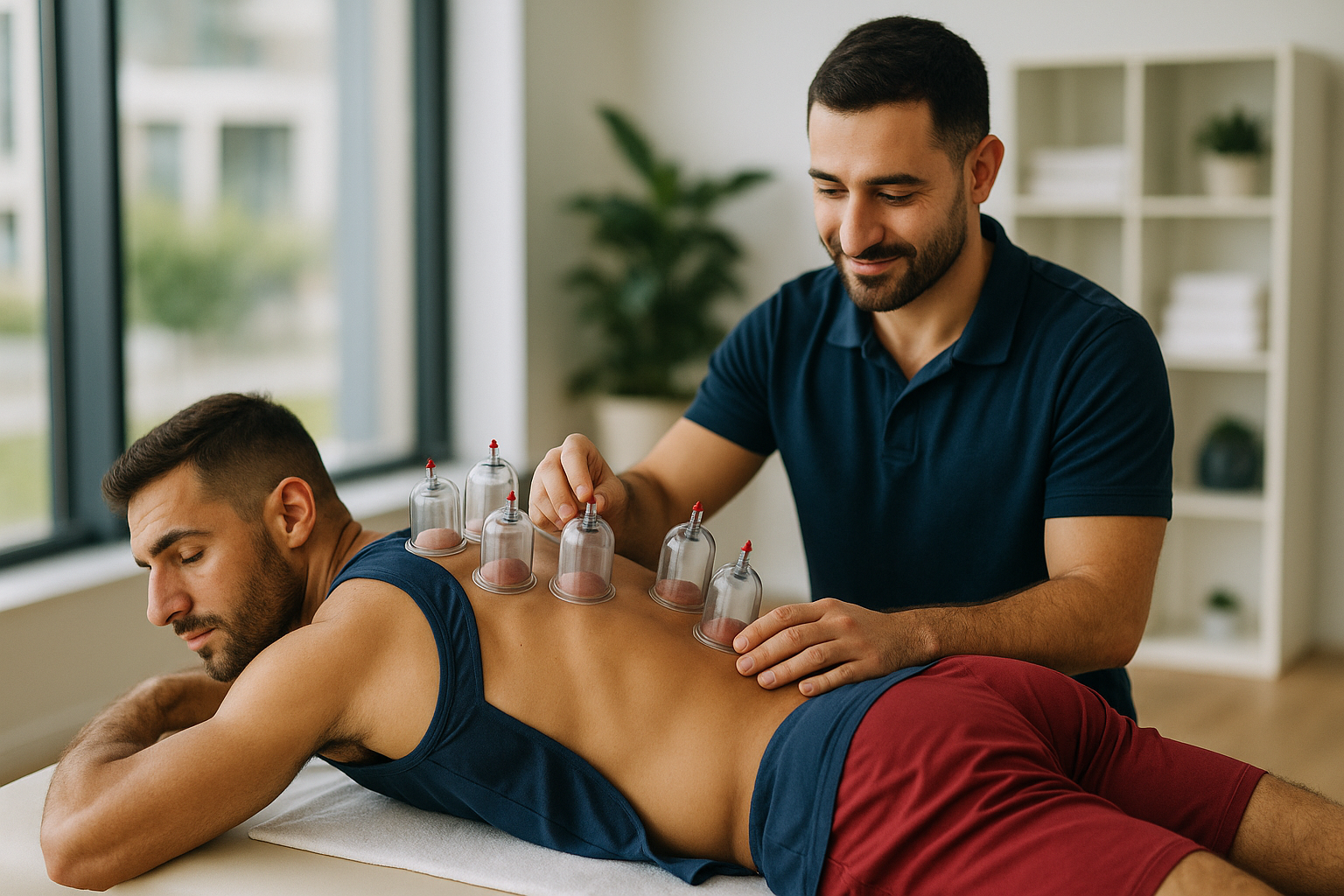
Cupping for Muscle Recovery: Unlocking Peak Performance
Learn how dry cupping therapy speeds muscle recovery, flushes toxins, and boosts mobility for athletes. Explore timing, benefits, and expert-led treatment in Dubai.
15 min read
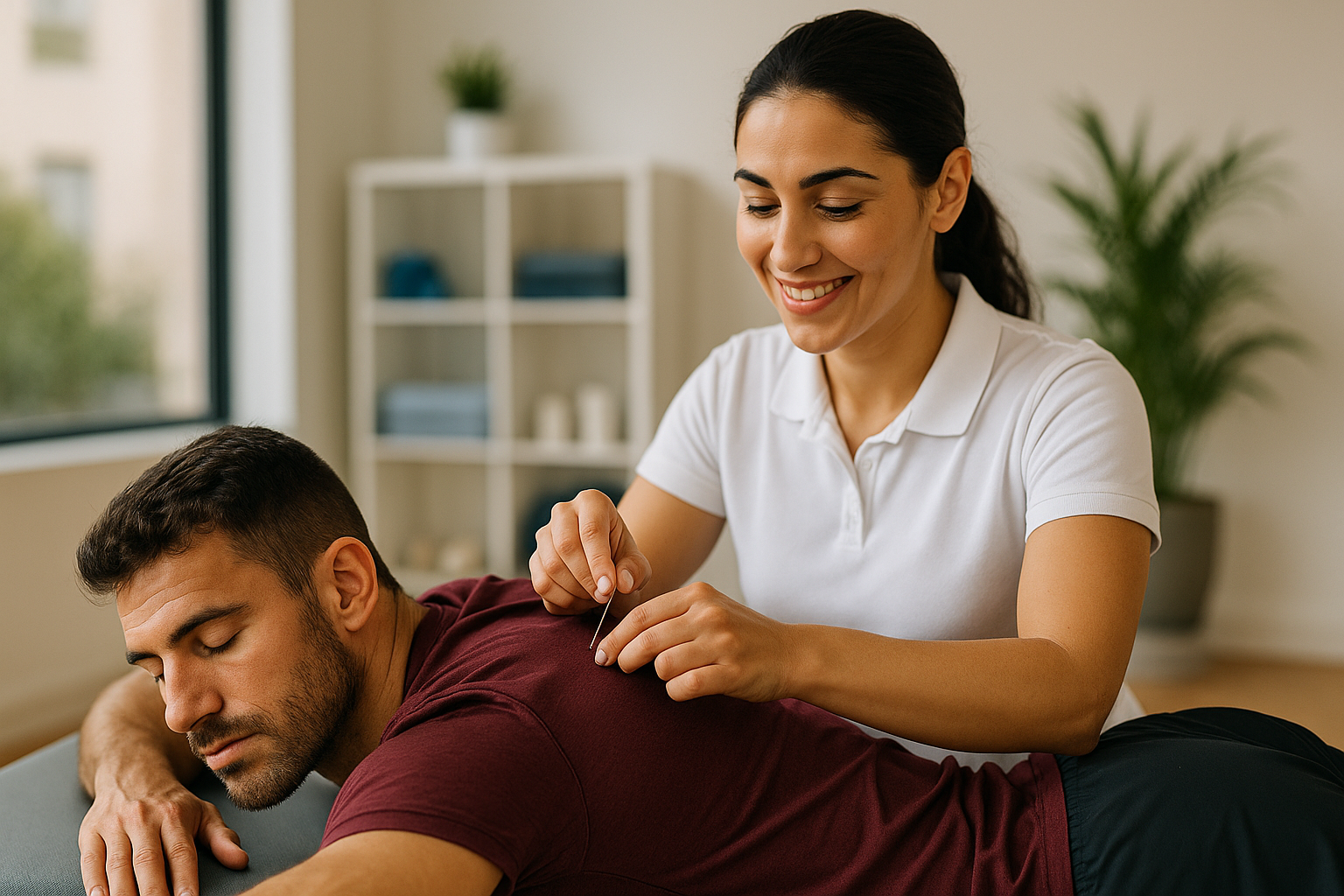
Dry Needling for Athletes: Rapid Recovery & Peak Power
Doctor-led dry needling targets trigger points to relieve pain, accelerate recovery, restore mobility, and boost athletic performance for serious competitors.
15 min read

Shoulder Impingement Treatment Guide | Non-Surgical Relief
Discover physiotherapy that targets the root cause of shoulder impingement pain. Explore non-surgical treatment, rehab exercises, and prevention tips.
14 min read