
Gentle Postpartum Recovery Exercises Guide for New Moms
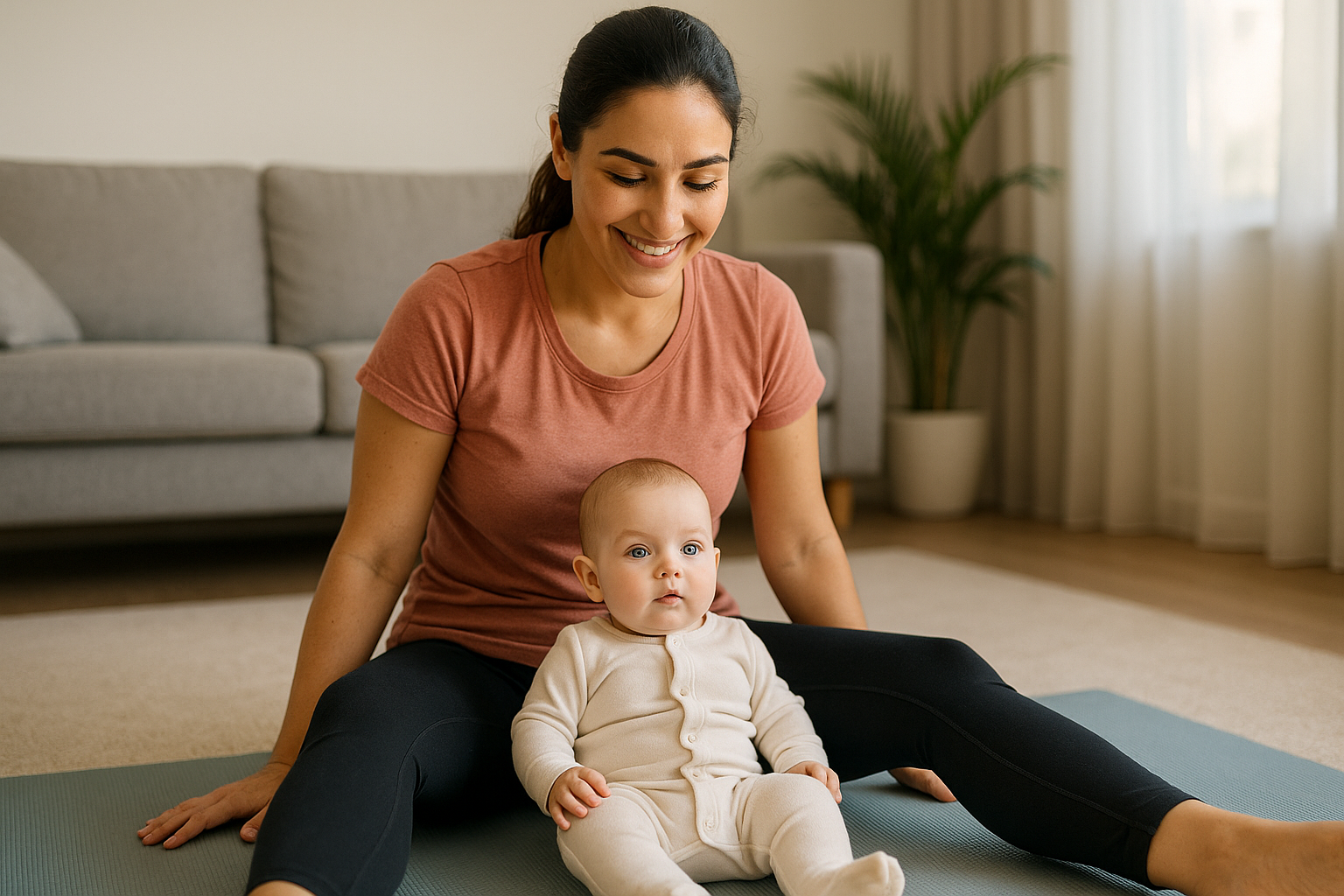
The journey of motherhood is a profound transformation, bringing immense joy and significant changes to your body. As you navigate this beautiful new chapter, it's essential to approach your physical recovery with patience, compassion, and knowledge. The postpartum period is a time for healing and gentle rebuilding, not for pressure to "bounce back." This guide is designed to empower you with a safe and effective approach to healing. At Physio Cure Dubai, our doctor-led team specializes in creating personalized postpartum recovery exercises that honor your body's unique journey, ensuring you regain strength and confidence from the inside out.
The First Six Weeks: Building a Foundation for a Safe Recovery Plan
The initial six weeks after childbirth are crucial for healing. During this time, the focus should be less on "exercise" and more on "activation" and "reconnection." Your body has undergone a monumental task, and the priority is to allow tissues to heal, hormones to regulate, and your energy to be restored. Rushing into strenuous activity can delay healing and potentially lead to complications like pelvic organ prolapse or increased diastasis recti (abdominal separation).
At Physio Cure Dubai, our philosophy is rooted in a root-cause diagnosis. We understand that effective recovery starts with re-establishing the fundamental connection between your brain, your core, and your pelvic floor. Gentle, intentional movements are key during this phase.
- Diaphragmatic Breathing (Belly Breathing): This is the most important first step. Lie on your back with your knees bent. Place one hand on your chest and the other on your belly. Inhale slowly through your nose, allowing your belly to rise as your diaphragm expands. Exhale slowly, feeling your belly fall. This simple act helps relax the nervous system, gently engages the deep core muscles, and coordinates the pelvic floor with your breath.
- Pelvic Floor Activation (Kegels): Instead of just squeezing, think of gently lifting and closing the pelvic floor muscles—as if you are picking up a blueberry. Inhale to relax, and exhale to gently lift and hold for 3-5 seconds. This helps restore tone and control to muscles that have been stretched during pregnancy and delivery.
- Pelvic Tilts: Lying on your back with knees bent and feet flat, gently flatten your lower back against the floor by engaging your lower abdominal muscles. Hold for a few seconds, then release. This helps to reawaken the deep core muscles without placing strain on your abdomen.
- Gentle Walking: Once you feel ready and have been cleared by your doctor, short, slow walks are incredibly beneficial. Walking promotes circulation, which aids healing, reduces the risk of blood clots, and boosts your mood. Start with just 5-10 minutes and gradually increase as you feel comfortable.
Physiotherapist's Tip: Your body gives you constant feedback. Listen to it. Pain, pressure, heaviness in the pelvis, or an increase in bleeding are signs to pull back and rest. Recovery is not a linear path; honor the ups and downs.
Understanding the Postpartum Recovery Exercises Timeline (Weeks 6-12)
The six-week postpartum check-up is often seen as a green light to return to exercise. While it is a significant milestone, it’s crucial to progress thoughtfully. Your body is still healing, and your joints may still be lax due to the hormone relaxin. This phase is about gradually reintroducing load and building on the foundational work you did in the first six weeks. A personalized timeline is always best, but here are some general guidelines for this period.
You can begin to incorporate more structured, low-impact activities. The goal is to build endurance and strength without putting excessive stress on the pelvic floor or abdominal wall. Examples include:
- Stationary Cycling: A great way to improve cardiovascular fitness without impact.
- Swimming or Water Aerobics: Once you have stopped bleeding for at least 7 days and any incisions (C-section or perineal tears) are fully healed, the buoyancy of water provides a supportive environment for exercise.
- Bodyweight Strength Exercises: Begin to add movements like glute bridges, clamshells, squats (with a focus on form), and supported lunges. These exercises target the major muscle groups that support your core and pelvis.
- Continued Core Work: Progress your core exercises to movements like dead bugs and bird-dogs, ensuring you can maintain abdominal tension without "doming" or bulging.
This is an ideal time to seek a comprehensive assessment from a women's health physiotherapist. At Physio Cure Dubai, Dr. Shaimaa Hamdalla uses a holistic and patient-centered approach to evaluate your core function, check for diastasis recti, and assess your pelvic floor strength to create a truly bespoke program.
The Importance of a Comprehensive Strength & Mobility Program
True postpartum recovery is more than just Kegels and crunches. It's a holistic rebalancing of your entire system. Pregnancy alters your posture, center of gravity, and movement patterns. A comprehensive strength & mobility program should address these changes to build a resilient and functional body for the demands of motherhood.
Your program should incorporate elements that target:
- Posterior Chain Strength: Strengthening your glutes, hamstrings, and back muscles is vital for pelvic stability and correcting the forward-leaning posture common in pregnancy and while caring for a newborn.
- Upper Body Mobility and Strength: Hours spent feeding, holding, and carrying your baby can lead to a rounded upper back and tight chest muscles. Exercises like rows and chest stretches can counteract this.
- Core and Pelvic Floor Coordination: The core is not just the "six-pack" muscles. It's a deep system that includes your diaphragm, pelvic floor, and transverse abdominis. A good program teaches you to use these muscles together dynamically during movement.
This evidence-based approach ensures you're not just treating symptoms but addressing the root cause of any dysfunction, leading to lasting relief and strength. For additional perspectives on postnatal exercise, you can explore resources like this comprehensive guide from Healthline.
Navigating Post-Surgery Physiotherapy Exercises After a C-Section
A Cesarean section is a major abdominal surgery, and the recovery process requires special considerations. While many of the foundational principles remain the same—breathing, gentle activation—the timeline and specific exercises must be adapted. Your incision needs time to heal, both externally and through multiple internal layers.
Important Note: Never start a postpartum exercise program without clearance from your doctor. For C-section recovery, it is highly recommended to work with a physiotherapist who can assess your scar tissue and guide your progression safely.
Early post-surgery physiotherapy exercises focus on promoting healing and preventing complications. This includes gentle walking to prevent blood clots and deep breathing exercises to prevent respiratory issues and gently activate the core. As you heal, a physiotherapist can guide you in scar massage to prevent adhesions and improve tissue mobility. They will also provide a modified progression for core exercises that avoids direct strain on the incision site, such as avoiding sit-ups, crunches, and heavy lifting for an extended period.
Our doctor-led team at Physio Cure Dubai is experienced in creating 100% personalized care plans for C-section recovery. We use a combination of manual therapy to address scar tissue and guided exercise to safely and effectively rebuild your core strength from the deepest layers outward, ensuring you heal fully and return to activity with confidence.
Your body has accomplished something incredible. Honor its need for a careful, compassionate, and expert-guided recovery. Take the first step towards a stronger, more confident you by booking a consultation with our Women's Health specialists. Learn more about our approach to postpartum recovery exercises and let us create a personalized plan for your unique journey.
Frequently Asked Questions
Need Help With Your Recovery?
Book a free consultation with our expert physiotherapists.
Related Articles
Endometriosis Pain Relief with Doctor-Led Physiotherapy
Endometriosis pain doesn't have to rule your life. Physiotherapy targets root causes, releases pelvic tension, and restores comfort. Book a consult today.
15 min read
Pregnancy Back Pain Relief: Doctor-Led Physiotherapy Guide
Discover doctor-led physiotherapy for pregnancy lower back pain relief. Gain root diagnosis, customized exercises, and guidance for a pain-free journey.
13 min read
Post-C-Section Physiotherapy: Rebuild Core & Confidence
Recover safely after your cesarean with doctor-led post-C-section physiotherapy. Heal scar tissue, restore core strength, and prevent pain with a tailored plan.
13 min read